Will This Summer Have An El Niño Effect For Saltwater Fishing Off The Coast?
The following appears in the June issue of California Sportsman:
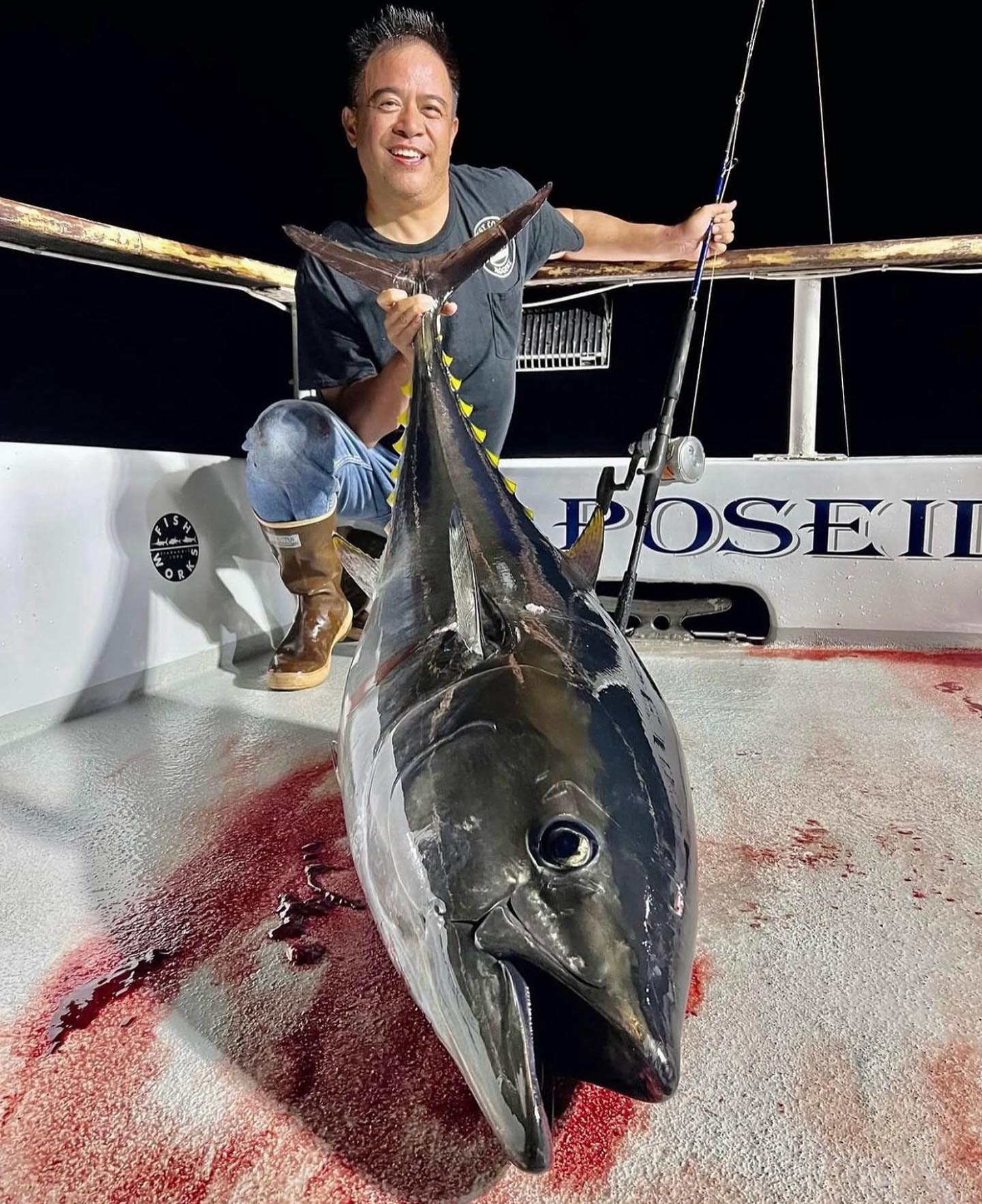
the California coast? It’s pretty likely, and anglers have seen some earlier-than-normal action in Southland waters and beyond. (JOE SARMIENTO)
By Joe Sarmiento
True confession, guys: I’m not a professional meteorologist. So I’m not going to get in the weeds of what an El Niño is in those kinds of terms.
What I will tell you is that an El Niño is an atypical climate pattern where the water around the equator in the Eastern Pacific – the West Coast of the Americas – builds up to be hotter than normal. It creates more tropical storms, which in turn pushes warm water our way.
Technically, the last El Niño happened in 2023-24, but those particular years didn’t really hit us that hard in terms of changing angling activity in my normal Southern California and Baja California fishing zones. However, there was a super El Niño event in 2015-16, the effects of which lingered on for a couple years afterwards. During that period of time, we had some amazing fishing years. I saw things I had never seen before – it was my first El Niño as a full-blown sportfishing fanatic – and it has me excited for the potential return to those kinds of conditions.
WHY THIS COULD BE AN EL NIÑO YEAR
Other than the fact that a lot of the information sources I trust are speculating that we will see an El Niño year this year, I’ve noticed some unusual things so far that lead me to believe it’s really going to happen.
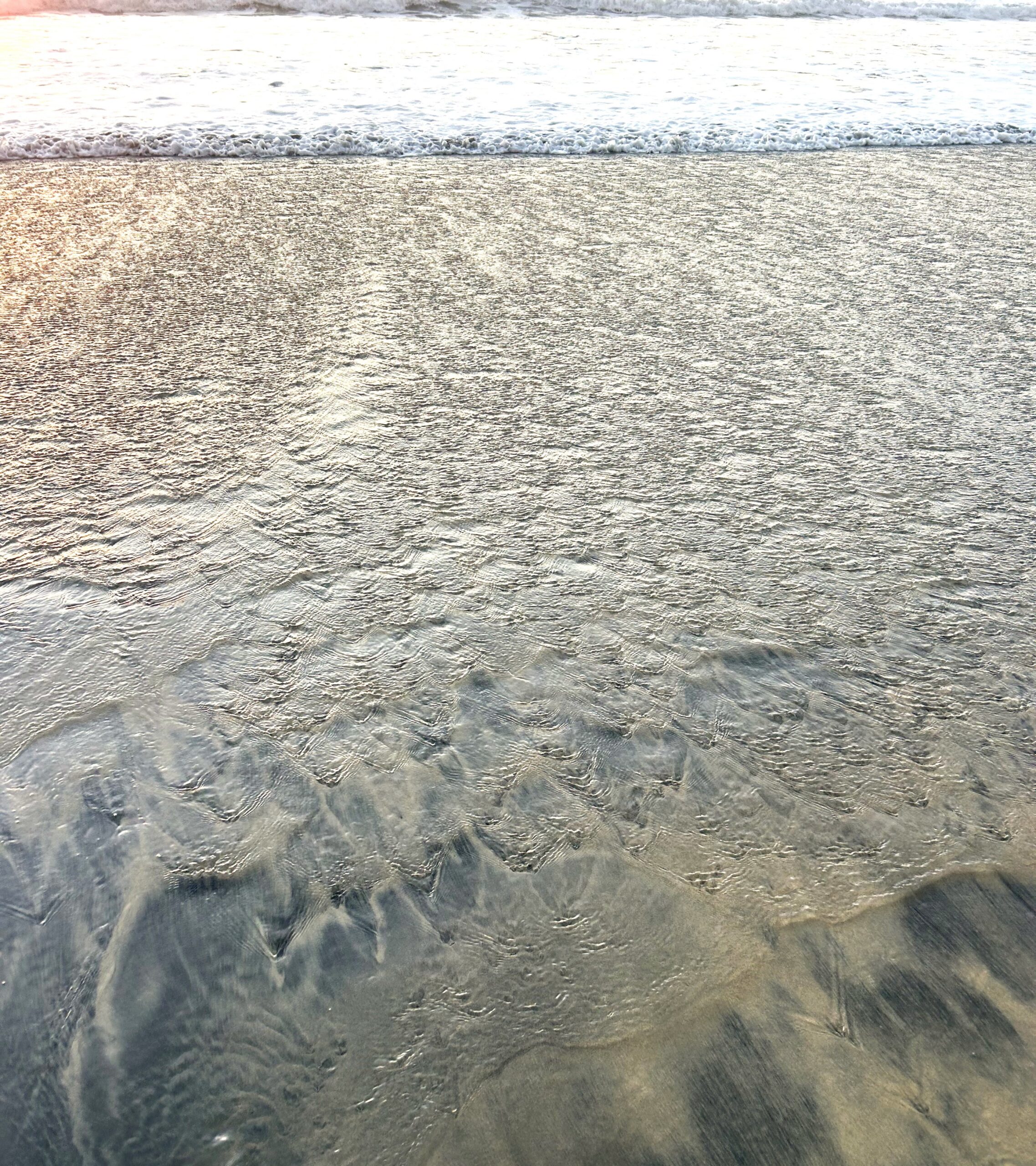
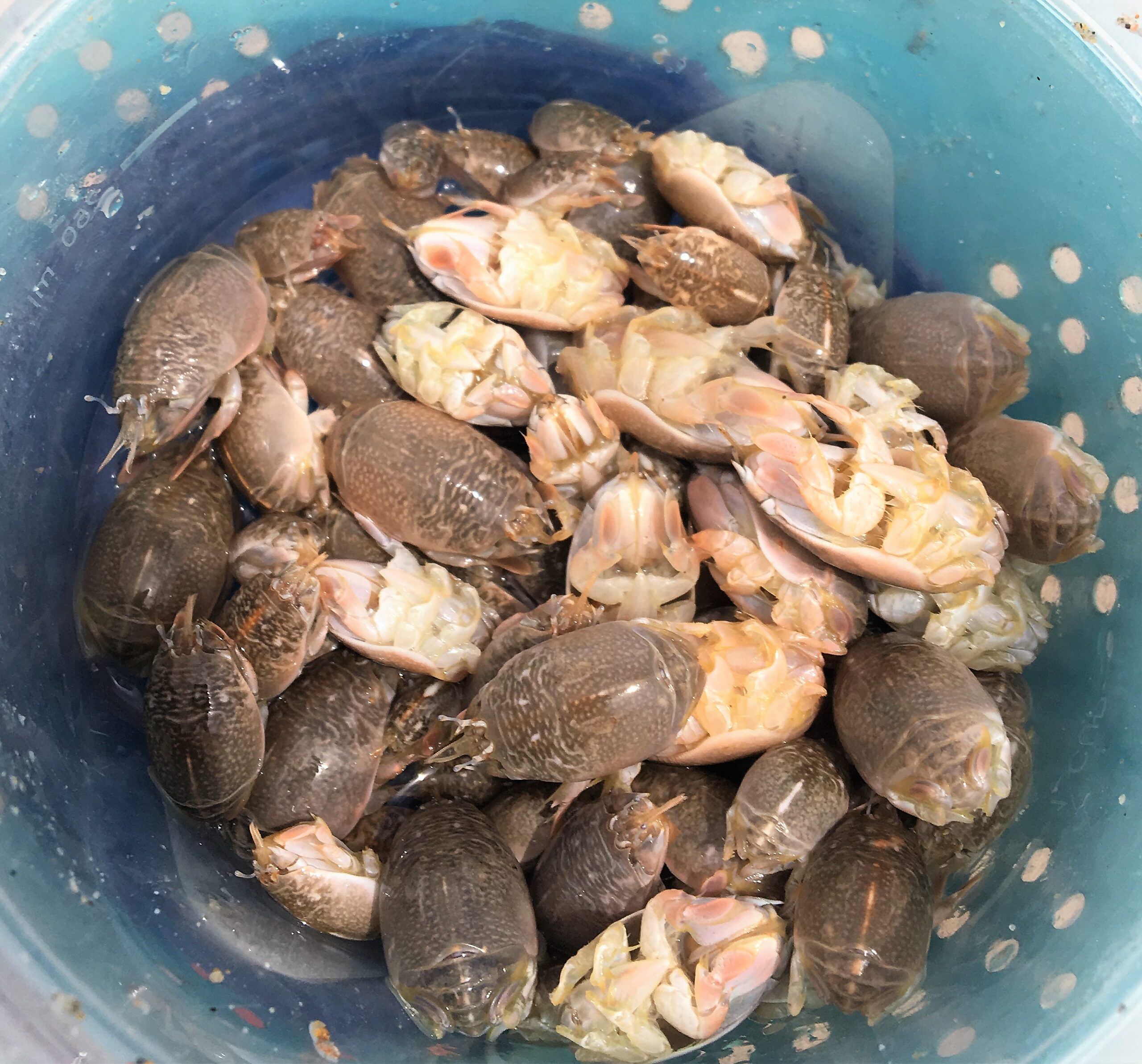
For me, it started this year on the beach. I live in Rosarito Beach, Baja California, Mexico. Typically, the water temperature here is a few degrees warmer than the beaches I fish in the San Diego area (usually Del Mar and Solana Beach). Even so, in the almost five years I’ve lived south of the border, the appearance of sand crabs on the beach has followed the same pattern I was used to when surf fishing Los Angeles and Orange County beaches. They would typically start to show up around April and then be mostly gone by October. When they are in full swing in the summer, then fishing the surf gets good.
But in late January of this year, I found signs of a massive bed of sand crabs on Rosarito Beach. That’s a typical sight in, say, July, not January. In the early months of the year, plastic worms or grubs are the preferred bait, but when I was surf fishing in January, I think even the fish were confused that I was using sand crabs, as they bit better on the plastic.
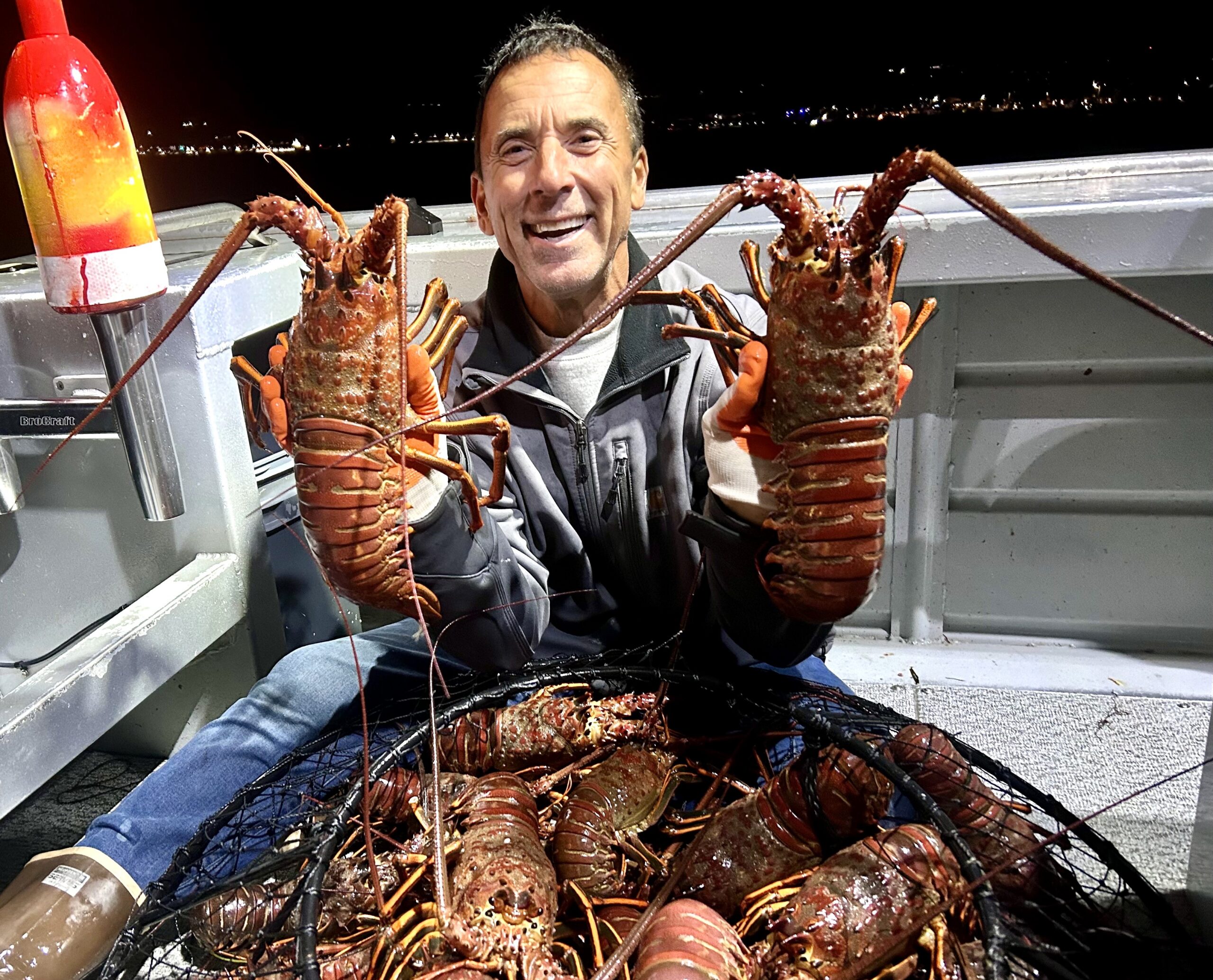
Once the rockfishing season closed at the end of last year, I mixed in hooping for spiny lobster. I haven’t done a ton of lobster hooping over the years. Part of the reason why is that it is a nocturnal activity. Getting wet and being cold at night on a boat just didn’t hold a lot of appeal for me. But this year, my good buddy, Captain John Anjard, got into it for the first time to great success.
I was able to get out with him four times before the season closed in April. Each session, we both got limits (seven apiece). I don’t know if consistently getting our limits each outing was unusual or not. What was unusual was that the water temperature was comfortably above 60 degrees each time we went.
So, if the weather pundits are saying an El Niño is going to happen, and you accept that my personal observations back up those assertions, what are some things that we can expect to see this season?
TIMING COULD BE OFF
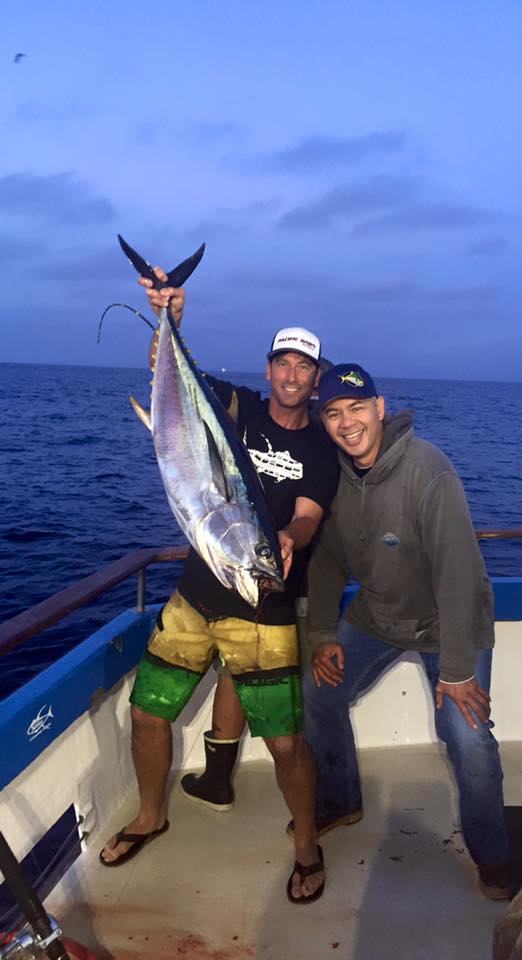
During those super El Niño years, the bluefin tuna lingered around and there were a couple years where they got caught all year long. Once that climate pattern ended, we settled into a typical pattern where they’d start showing up around May or June and last until fall. This year they already started by April. Fisherman’s Landing in San Diego was advertising overnight trips because tuna had already been within that range of trips. My panga captains, or pangeros, out of Ensenada, Mexico, started catching them in the middle of April.
However, I think that if you want to catch bluefin tuna this season, you better get out there as soon as possible. Yellowfin tuna have already been caught on the first day of a three-day trip out of San Diego. Yellowfin like water closer to 70 degrees. We haven’t really had a good hit on yellowfin for the last several years. I feel like the bluefin will head north to colder water when our local waters hit that 70-degree mark.
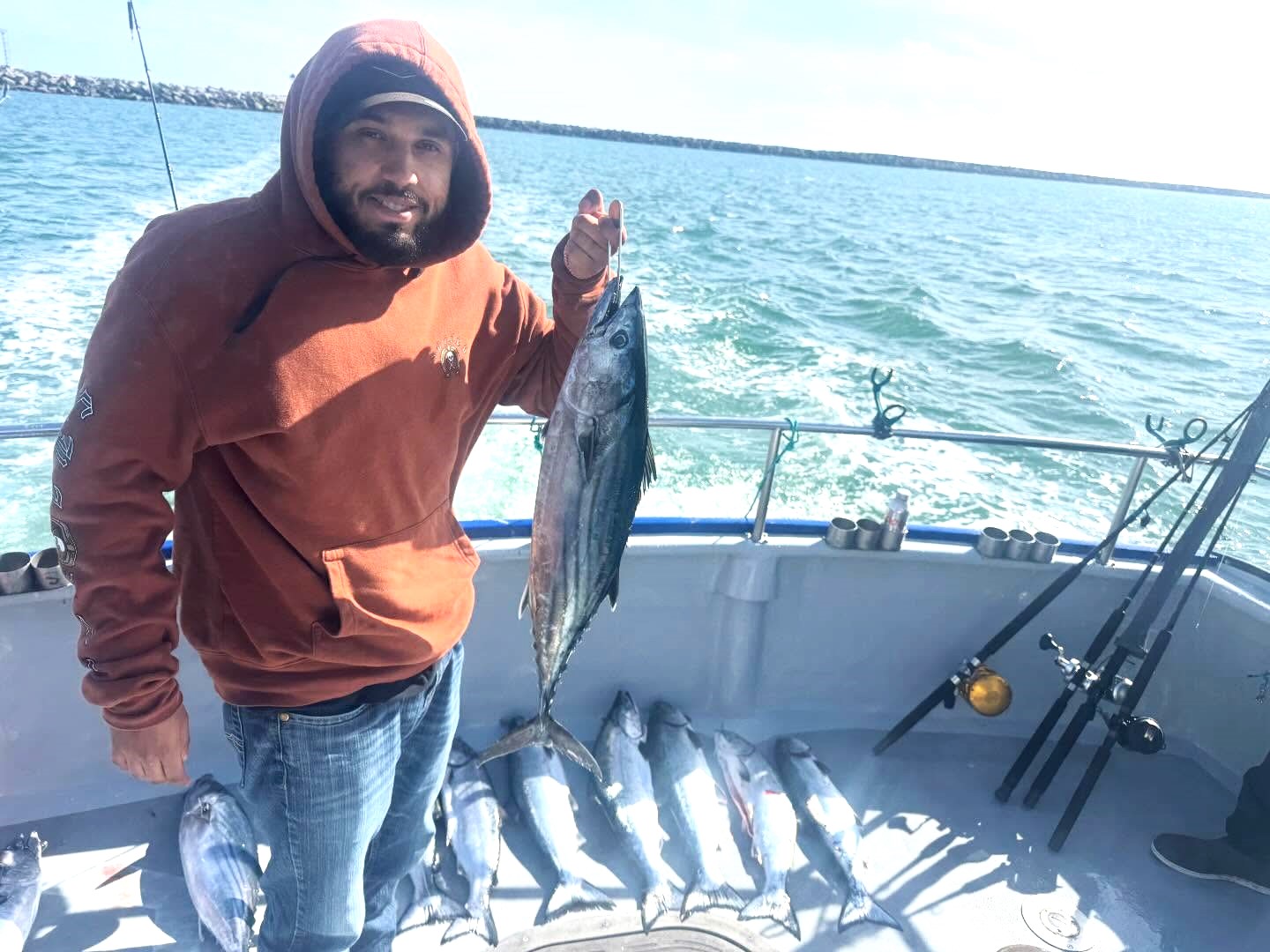
Even the Bay Area waters are experiencing signs of El Niño, as a rare bonito or two have been caught here. (NEW EASY RIDER SPORTFISHING)
EXOTIC SPECIES ON THE WAY?
During those last super El Niño years, I got a call from Captain Jeremy Maltz of Spitfire Sportfishing in Marina del Rey, near Los Angeles. Maltz’s is a three- quarter-day boat, so they leave the dock at 6:30 a.m. and return at 3 p.m. “Hey Joe, I got a tip from a commercial guy I know. We’re going to go out Wednesday looking for tuna. You should come out,” he told me. I did, and to my surprise we caught yellowfin tuna. There’s a picture hanging in their galley of that day. It was the first – and currently the only – time that the boat got tuna. We called the Native Sun, a three-quarter-day boat out of 22nd Street Landing in San Pedro, and they got them too. Even more amazing, as we were leaving, a couple of the long- range San Diego boats found the bite.
The following week, I drove up to Ventura to fish on the same bite. I wanted to be able to say I caught tuna on an 805-area-code boat. I rode the Amigo, which was based out of Ventura Sportfishing at the time, with Captain Bill Cavanaugh. We got them again. Mission accomplished!
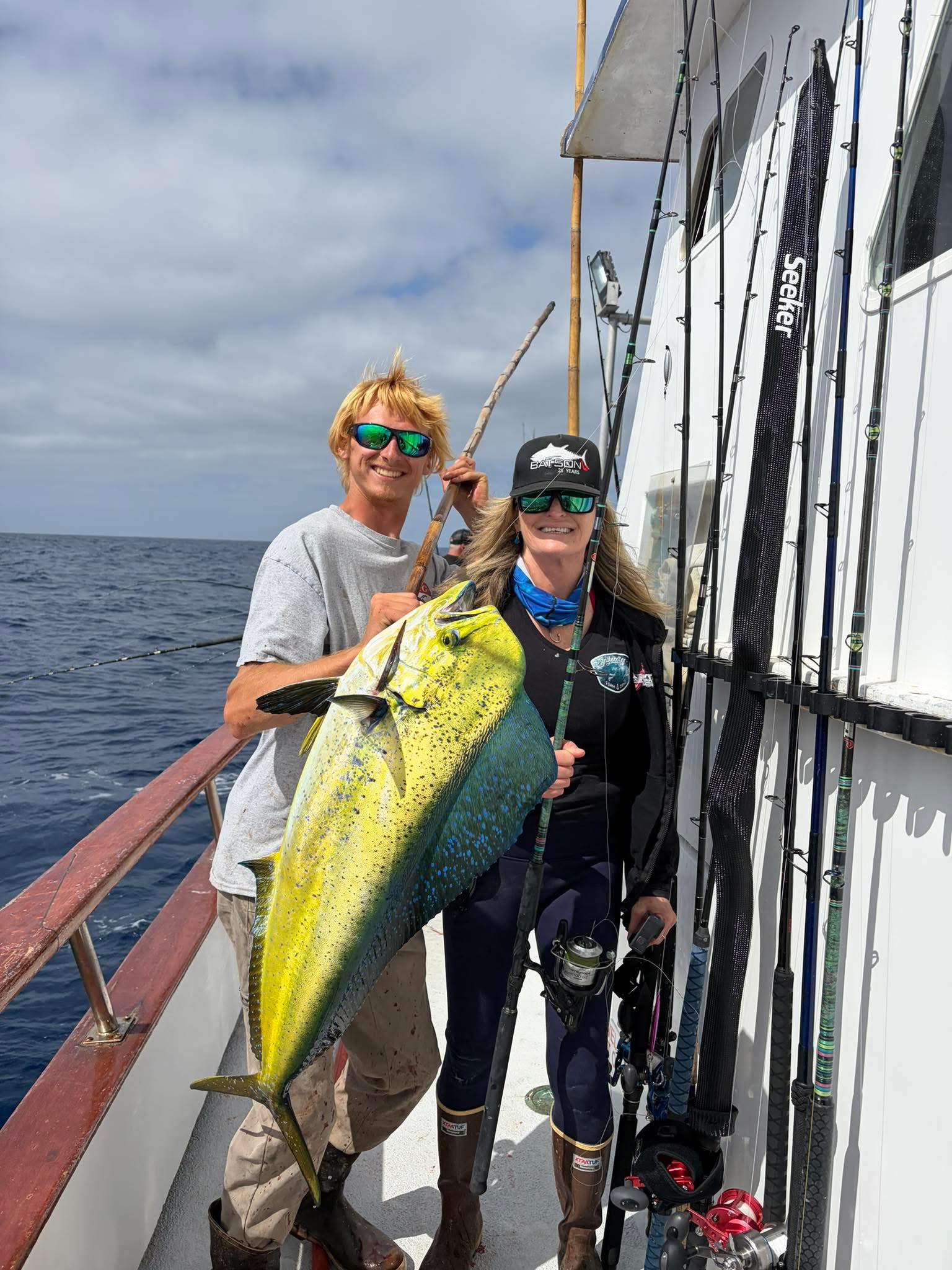
Along with yellowfin, we should also see more dorado (aka mahi mahi), yellowtail and maybe even wahoo.
If we end up having a good yellowfin year in Southern California, it bodes well for bluefin in Northern California waters. I heard some Monterey boats had already found a few. Recently, the New Easy Rider out of Berkeley Marina in the Bay Area caught some bonito mixed in with their salmon. It’s unusual to see bonito there.
And I know a commercial captain who runs an albacore boat in Washington State, and he’s shown me pictures of yellowtail he caught that far north during those super El Niño years!
WHAT YOU’LL NEED
Get ready, folks. Things are already happening and it should only get more exciting as the season progresses. Time to dust off your gear and get it in order Start watching some YouTube videos if you’re unfamiliar with catching some of the fish I mentioned.
If you decide to come visit us in Southern California, check for offshore trips. I’d recommend going one and a half days minimum. If you have the time, it would be a good idea to get on a half-day boat fishing inshore and familiarize yourself with flylining a live bait before you go offshore. Flylining live bait means to fish without a weight. It sounds simple enough, but there are nuances to it. Understanding selecting a lively bait, the various ways you can hook one, and just getting a feel for it will go a long way toward your success offshore.
A 30- and 40-pound outfit is all you’ll need. Use the former when fishing kelp paddies, the latter if you run into bluefin. For my 30-pound offshore setup, I like using a Fishing Syndicate FSC 800M (20-50) paired with a Shimano Trinidad 30A reel. For inshore applications, I use a Trinidad 16A to fish 30-pound line, but for offshore it’s helpful to have that extra line capacity. A lot of people like to use braid to a short topshot of fluorocarbon, but I like having the stretch that monofilament line provides. Mono is also easier to cast, and getting your bait out and away from the boat is critically important.
My reels for this application are filled with braided line for about half the spool and then topped off with mono. For my 40-pound setup, I bump up to the Fishing Syndicate FSC 800H (30-60) paired with either a Shimano Talica 12II or Daiwa Saltiga 40 two-speed lever drag reel. You should bring 20-, 30- and 40-pound fluorocarbon line.
For line connections, I use the Seaguar knot for mono to fluoro and then a simple uni knot to tie on the hook. Use extra-strong live bait hooks on the 30-pound setup and extra-strong circle hooks on the 40-pound. Size 2 hooks are good if you only bring one hook size.
If you’re unfamiliar with tying these knots, have a deckhand tie them for you. Also have them set the drag on your reels.
That’s about it. It wouldn’t be a bad idea to look at your calendar and book your trip(s) fast to make sure you get in on this year’s bite. Good luck if you get out there. CS
Editor’s note: Joe Sarmiento’s blog can be found at socalsalty.com.