UC Santa Cruz On Saving Central Valley Coho
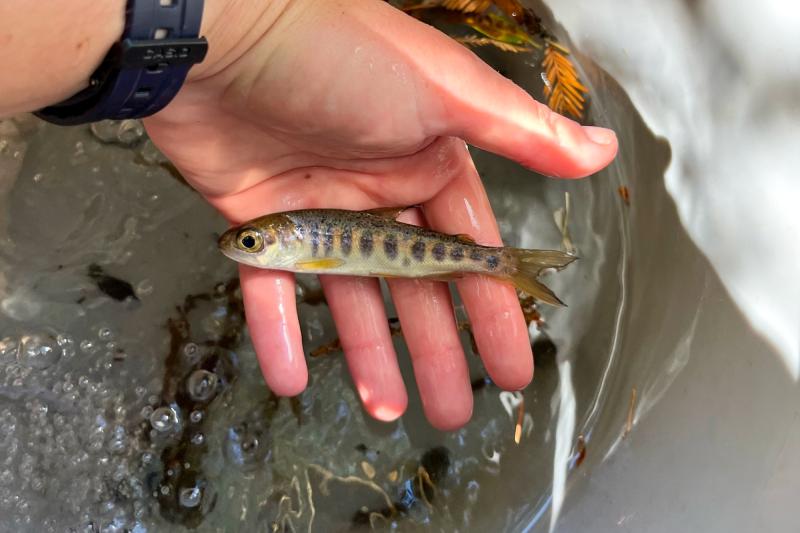
UC Santa Cruz – collaborating with the National Oceanographic and Atmospheric Administration released a great report about how to save California’s endangered Central Valley coho salmon. Here’s more from the study:
In an effort to boost the coho population, UCSC and NOAA teamed up with the Monterey Bay Salmon and Trout Project and began rearing fish in conservation hatcheries and releasing them into the wild. They began releasing coho into Scott Creek in 2001, but eventually expanded to Pescadero Creek and several other locations in the Santa Cruz Mountains.
Though the hatchery’s efforts helped give local coho numbers a boost, it did little to address the sources of their decline. “Hatcheries can help in the short-term,” said Eric Palkovacs, professor of ecology and evolutionary biology and director of the Fisheries Collaborative Program at UCSC, “but ultimately recovery is going to depend on the restoration of wild intact ecosystems.”
Around this time, NOAA opened the Santa Cruz Laboratory to house the Southwest Fisheries Science Center’s Fisheries Ecology Division, where scientists from the agency could collaborate with scientists from UCSC on a wide range of projects, including conserving CCC coho.
One of the first places scientists from NOAA and UCSC started studying coho was Scott Creek, and their initial discoveries were shocking.
“There was a stretch from 2009 to 2011, where the number of returning coho salmon each year was less than five individuals. They were almost gone,” said Joe Kiernan, a research ecologist at NOAA’s Southwest Fisheries Science Center.
At the time, bringing coho back to Central California seemed like a daunting task. After all, how can you conserve coho in a place where droughts are frequent and dams and water diversions are pervasive?
Unperturbed, the scientists started wading out into Scott Creek each day in search of answers. “There are no coho south of Santa Cruz; we’re at the southern end of their range,” Michel said. “We’re probably going to see the impacts of climate change earlier and in more extreme ways than some of the more northern populations, so the front line of keeping these populations alive is going to be here.”