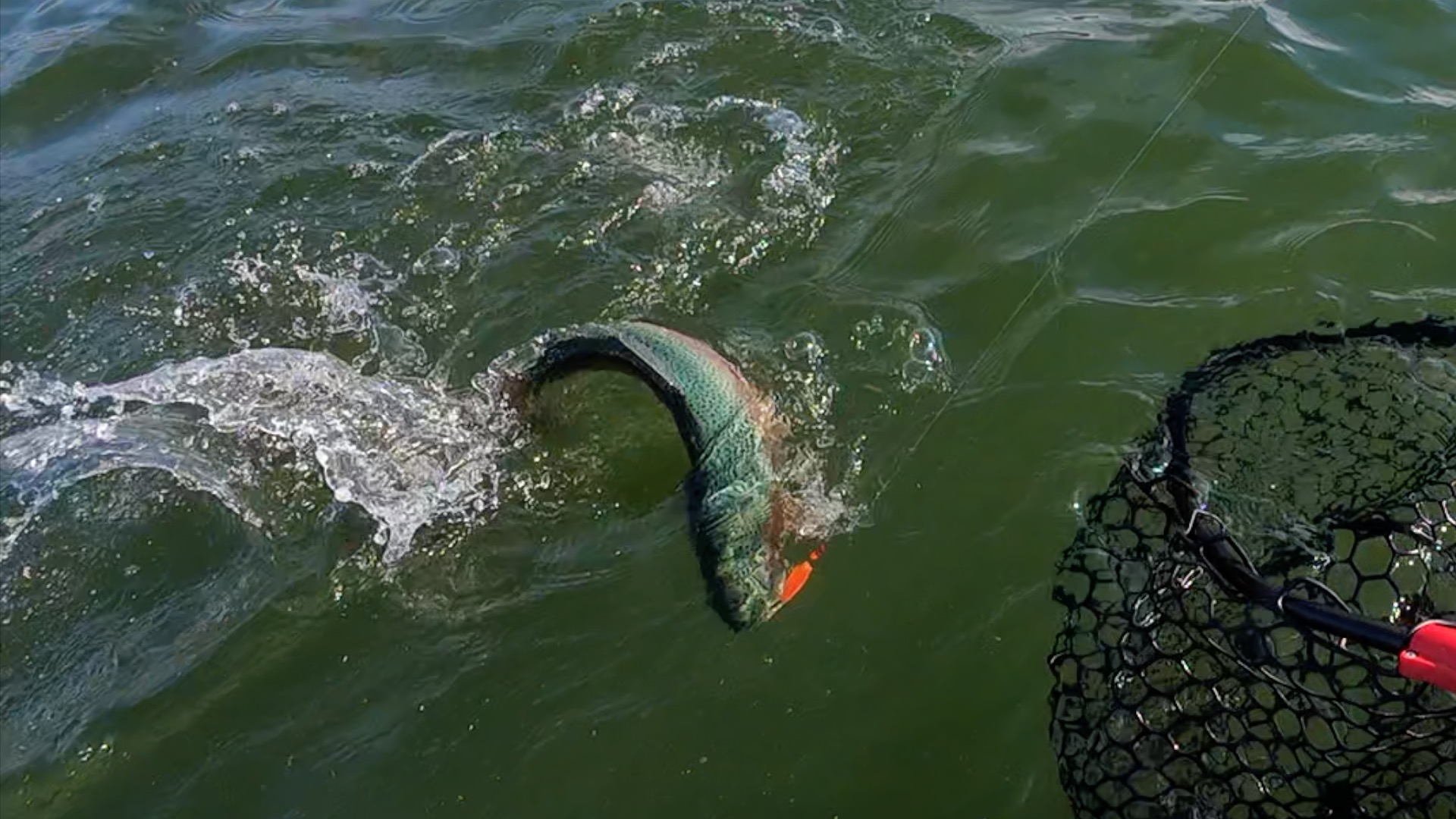
This Eagle Has Planted Lots Of Trout
The following appears in the November issue of California Sportsman:
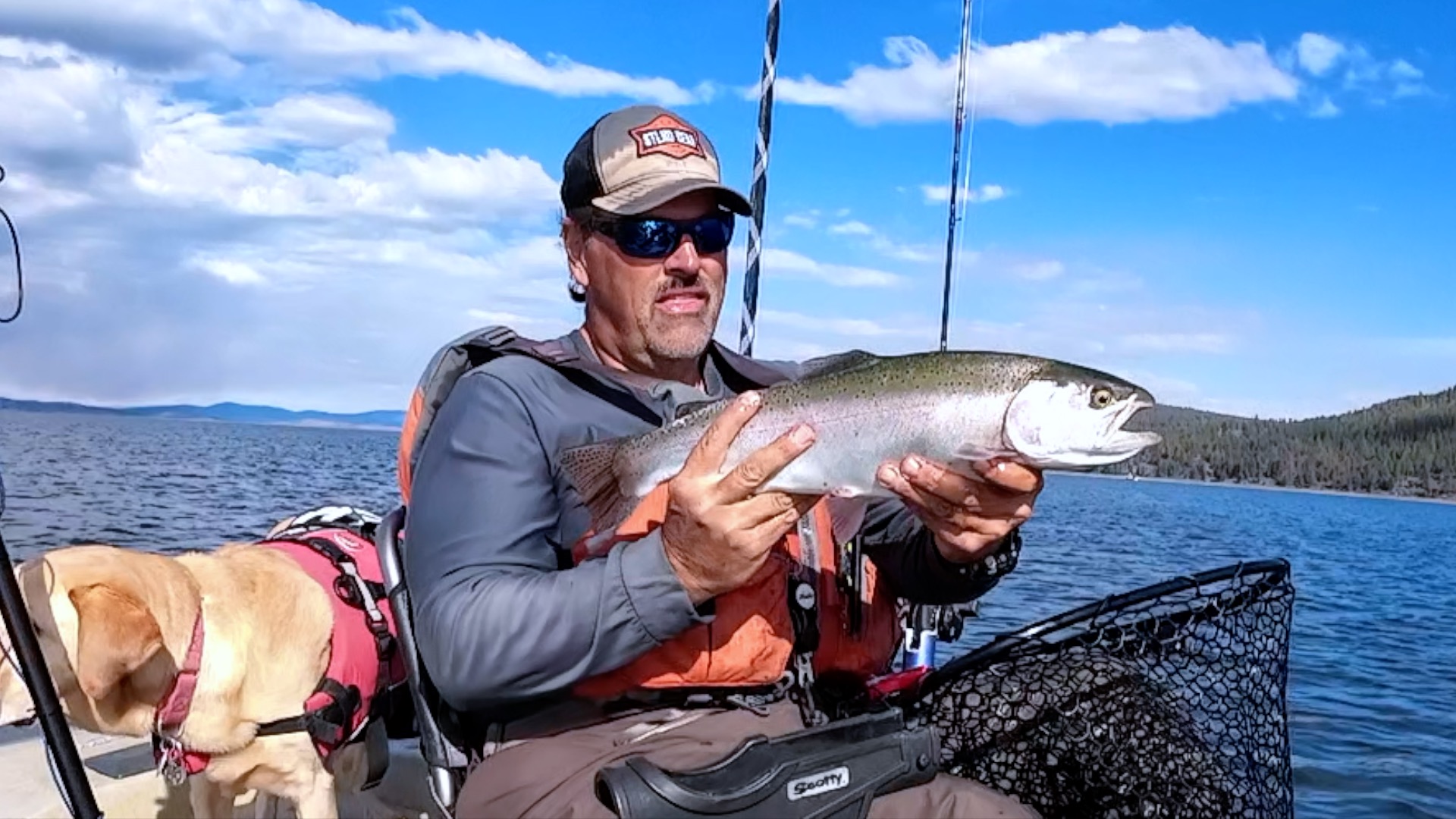
By Cal Kellogg
Nestled high in the northeastern corner of California, surrounded by wide-open sagebrush country and rimrock plateaus, Eagle Lake is a fishery unlike any other.
The sprawling natural lake in Lassen County has a mystique all its own: It’s remote, rugged and home to one of the most unique trout species on the planet – the Eagle Lake rainbow trout.
For generations, anglers have made the pilgrimage to Eagle Lake to chase these broad-shouldered, crimson- striped fish that fight with a mix of steelhead ferocity and lake trout stamina. It’s a place where time slows, where crisp mountain air and the call of sandhill cranes accompany every cast, and where fall fishing can rival any trout destination in the West.
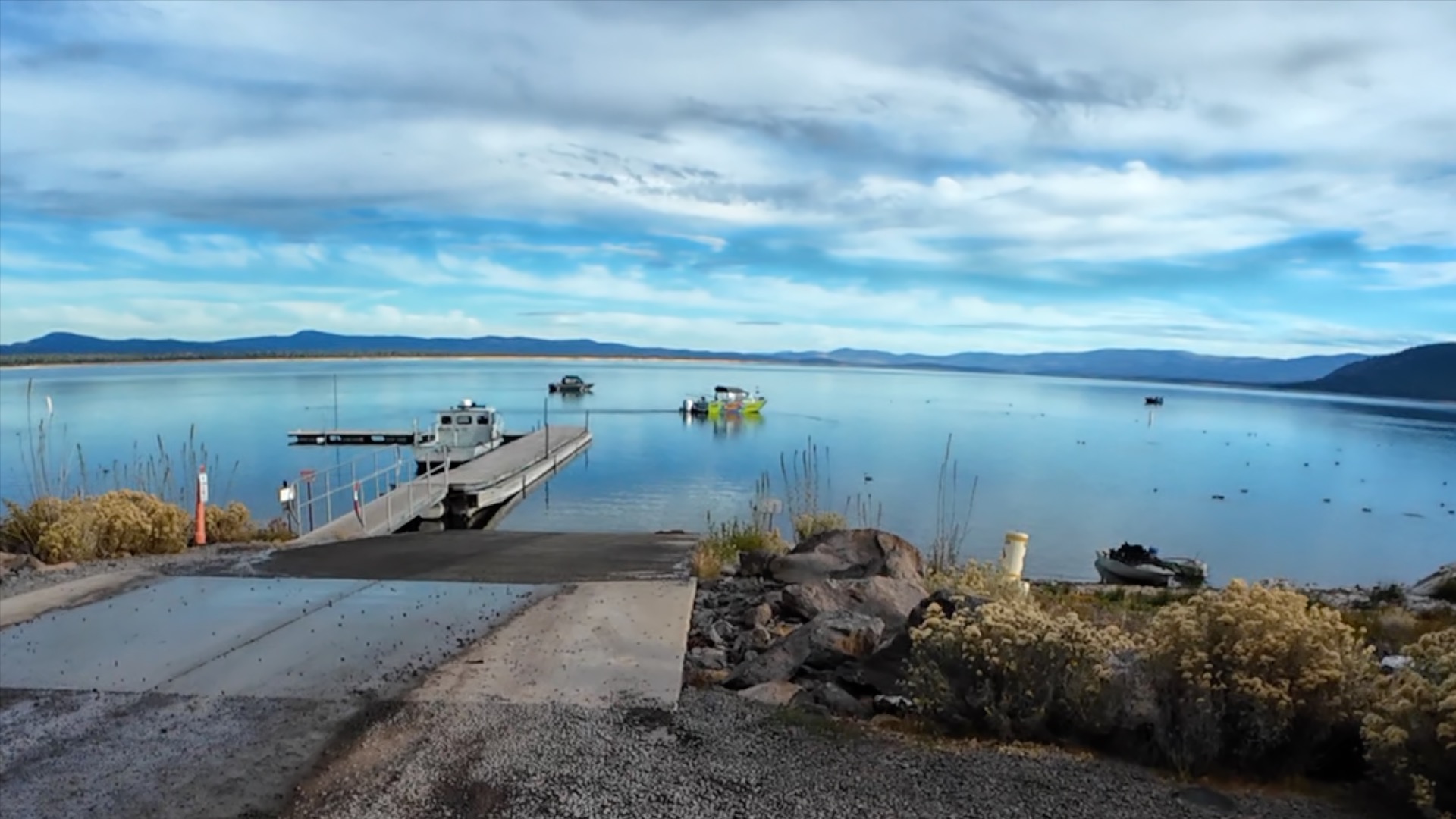
EAGLE LAKE SITS AT an elevation of 5,100 feet and covers roughly 22,000 acres when full, making it California’s second-largest natural lake after
Clear Lake. It was born from volcanic activity – a natural basin carved by uplift and sealed by lava flows thousands of years ago. Because of this, the lake has no surface outlet, and the minerals trapped within it make its water slightly alkaline.
This unique chemistry once spelled trouble for trout survival, but nature had an answer: the Eagle Lake rainbow trout, a strain adapted over millennia to thrive in these conditions. These fish tolerate the lake’s alkalinity and grow fast thanks to an abundance of tui chub and aquatic invertebrates. The result is one of California’s most robust wild trout ecosystems. It’s a self- sustaining population supported by the California Department of Fish and Wildlife’s hatchery program, which uses broodstock derived from the native strain.
But Eagle Lake’s fishery hasn’t always had smooth sailing. Decades ago, water diversions, drought and natural cycles took their toll, causing fluctuating water levels and habitat loss. Concerned anglers, scientists and local communities rallied together. The result was a long-term cooperative management plan involving CDFW, the U.S. Forest Service and groups like Eagle Lake Guardians and Eagle Lake Trout Unlimited. This collaboration ensured the protection of spawning tributaries such as Pine Creek, critical to the trout’s life cycle.
The success story is one of California’s great conservation triumphs – proof that anglers and agencies working together can preserve both a fishery and its heritage.
Today, Eagle Lake remains a symbol of what stewardship can achieve. This is a wild trout lake thriving in a semi-arid landscape where you’d least expect it.
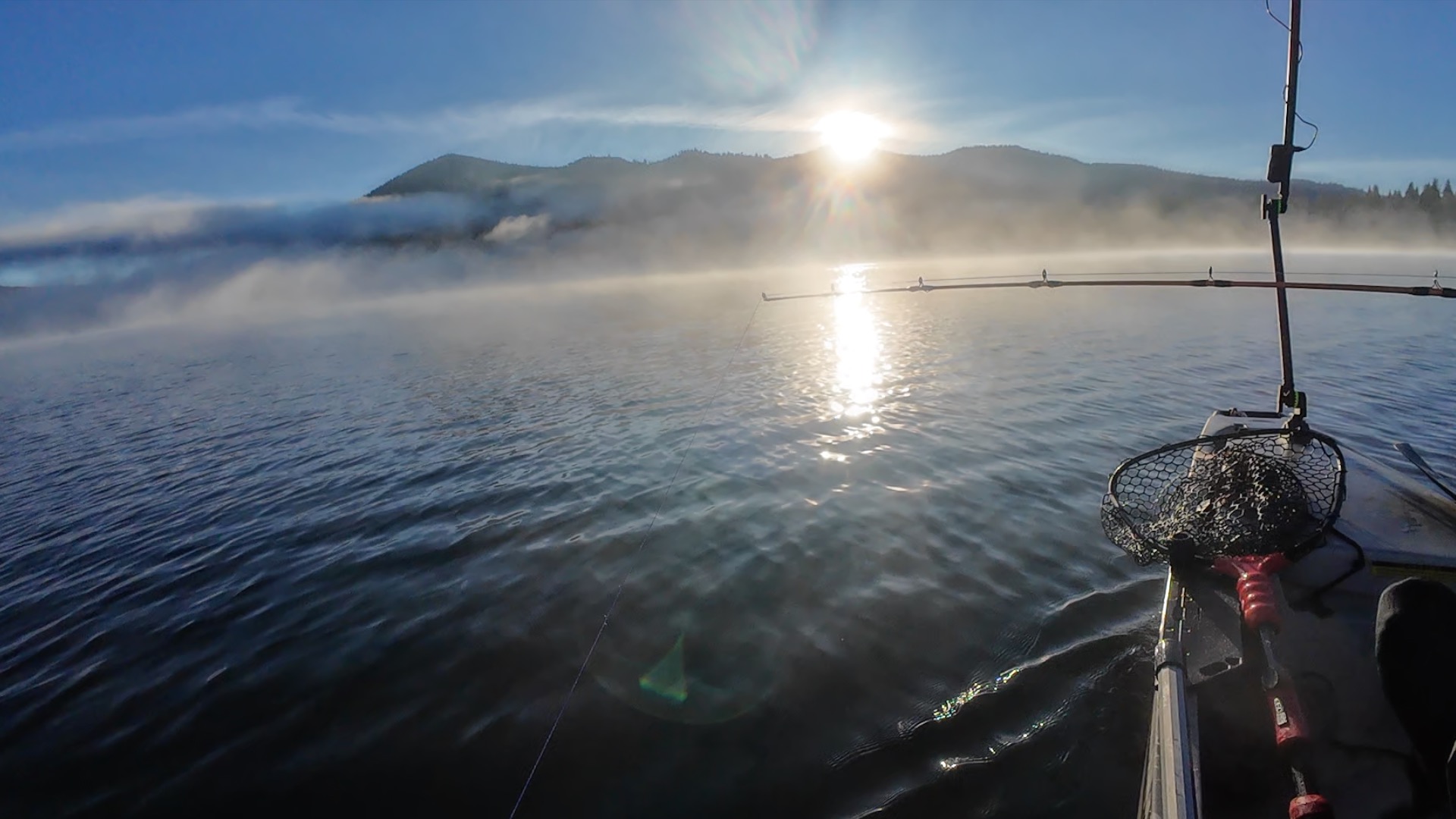
EAGLE LAKE IS ROUGHLY divided into two main basins – the shallower northern end, with its weedbeds and flats, and the deeper southern basin, which drops to 100 feet near the old Eagle Lake Marina and Spaulding Tract. During the spring, the shallows teem with trout feeding on emerging insects, snails and juvenile tui chubs. But as summer heats up, water temperatures climb, pushing trout deeper into the southern basin, where cool water and oxygen hold steady.
From mid-September through November, an annual transformation begins; it’s magic. Cooler nights and shortening days set the lake’s trout into motion. They migrate back toward the shallows and feed voraciously before winter. This is when Eagle Lake reaches its peak, and it’s when savvy anglers know it’s time to go.
Fall is the season that defines Eagle Lake. Crisp mornings, mirrored sunsets and the possibility of a 5-pound trout on every pass are the stuff of angling dreams. Water temperatures drop into the ideal range (50 to 60 degrees), oxygen levels balance and aquatic life stirs across the lake.
The Eagle Lake rainbow trout, aggressive and well-fed, begins hunting in the shallows again. Fish that spent summer suspended over deep water now patrol rocky points, dropoffs and weed edges in as little as 6 feet of water. They’re feeding hard while building energy reserves for the cold winter ahead. This seasonal window produces some of the best fishing of the entire year, with trophy-class trout common and 4- to 6-pounders routine.
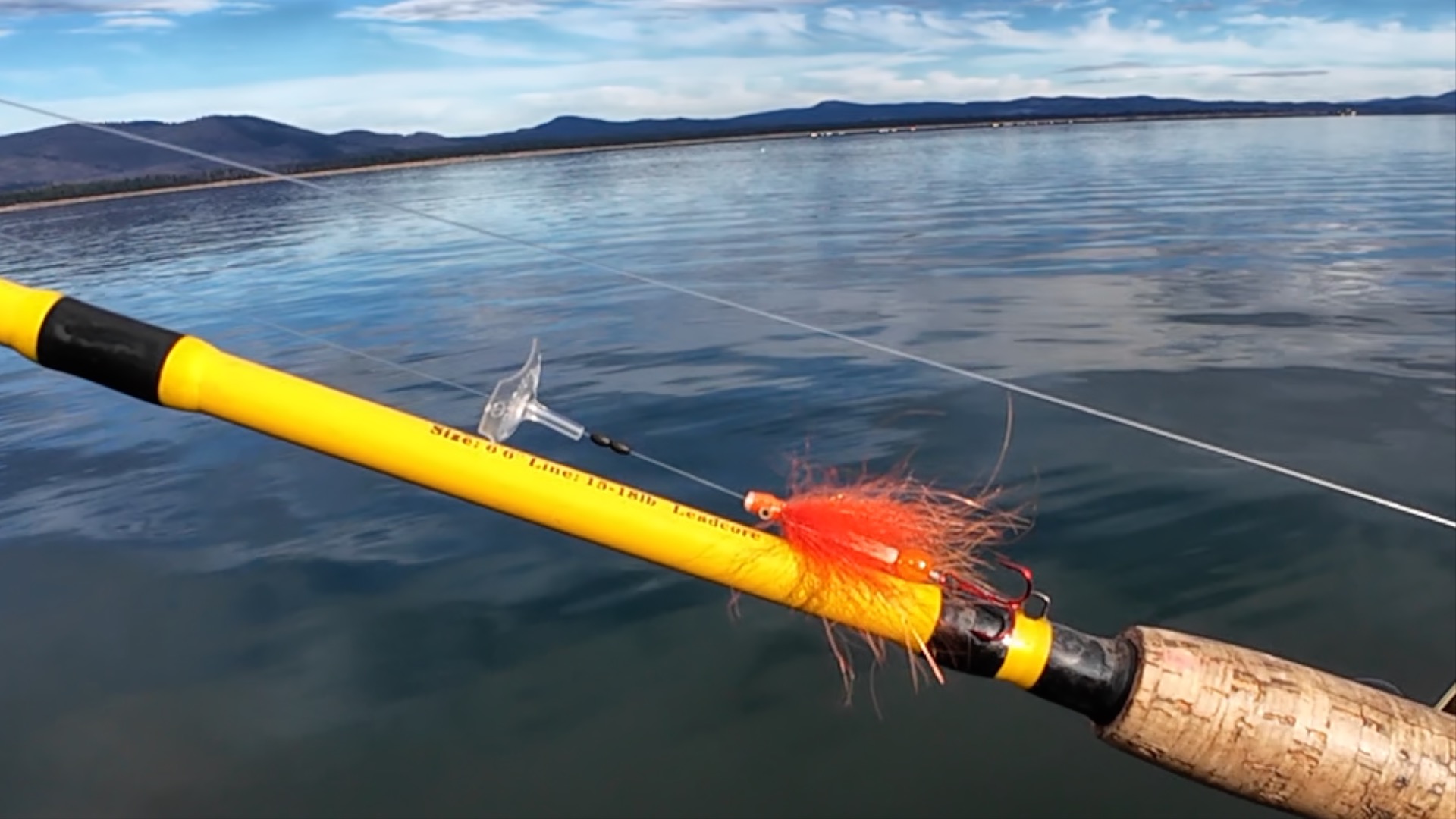
SUCCESS AT EAGLE LAKE comes down to timing, presentation and adaptability. Whether you’re trolling, fly fishing or casting from shore, understanding trout movement is key.
During fall, trolling reigns supreme. Early in the morning, work shallow flats and points near Eagle’s Nest, Miners Bay and the Wildcat Point area. As the sun rises, move slightly deeper. Lures like Trout Trix Minnows, Needlefish, trolling flies and Rapalas in gold, red or orange patterns all imitate tui chubs, the trout’s primary prey.
Leadcore line or downriggers help maintain precise depth – usually 5 to 15 feet in fall conditions. Adding a scent like Pro-Cure’s Trophy Trout gel or Catch America Trigger Scent can make a big difference in the lake’s alkaline water. Troll at 2.0 to 2.5 mph for aggressive fish early, then slow down to 1.5 mph as the bite softens.
Fly anglers find their paradise in fall. Trout push close to the weedlines and rocky dropoffs, making them accessible from both float tubes and shore. Popular patterns include leech imitations, Woolly Buggers, Sheep Creek Specials and beadhead midges.
Use intermediate or slow-sink lines and long leaders. In calm conditions, when sight fishing is possible, it can be exhilarating to watch a torpedo- shaped rainbow slide in and inhale a slowly stripped fly.
The north end near Spaulding, Pikes Point and Youth Camp all offer excellent wading access. For those fishing from shore, Eagle Lake rewards patience. The best action is early and late in the day near rocky ledges and inflow areas.
A nightcrawler under a sliding sinker rig or PowerBait in chartreuse or orange consistently produces fish. Focus on the jetty at Spaulding and Eagle’s Nest; they are two proven shoreline hot spots.
Eagle Lake trout are powerful fighters, so use medium-action rods with 6- to 10-pound test for trolling and slightly lighter tackle for shore or fly work.
Fluorocarbon leaders help in the lake’s ultra-clear water. Because of its mineral content, Eagle Lake has a unique visibility – slightly green and tannic – and this phenomenon makes contrast important. Gold, orange and red hues often outperform natural silver tones.
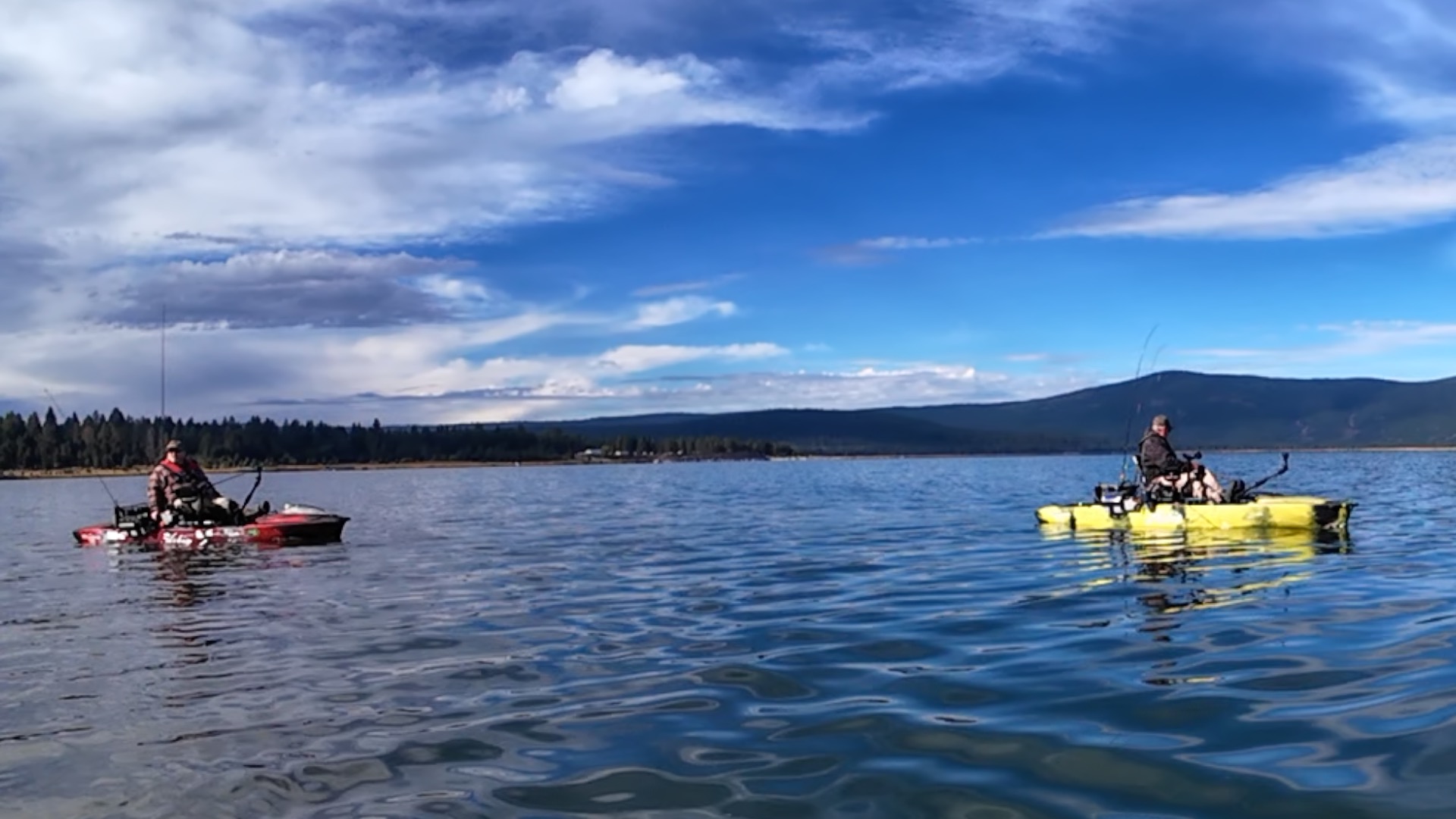
BE READY FOR VARIED conditions. Fall mornings can be glassy calm, but afternoon winds can build whitecaps quickly. A sturdy boat and proper safety gear are essential. The season typically runs from the Saturday of Memorial Day weekend through the end of February, though fishing peaks in the fall.
Launching from Gallatin provides quick access to the southern basin and midlake structure. The north shore near Stones Landing is productive later in the season when trout move shallow again. If you’re fly or shore fishing, dawn and dusk remain prime time. During calm afternoons, trolling deeper edges keeps rods bending.
The lake sits about 17 miles northwest of Susanville via Highway 139 and County Road A-1. Access is easy, but once there, you’ll find solitude. Spaulding offers campgrounds and some service, while Eagle Lake Marina at Gallatin provides boat launching, a fish cleaning station and store.
Susanville, the nearest town, supplies tackle, groceries and lodging options.Thecommunity’sconnection to the lake runs deep, and locals are fiercely proud of “their” trout’s legacy. Eagle Lake isn’t just a fishery; it’s a symbol of resilience.
Against a backdrop of harsh high-desert weather and fluctuating water levels, the Eagle Lake rainbows continue to thrive. These trout are built for survival. Broad across the back, thick through the tail and radiant in color, they embody strength and beauty. Unlike planted rainbows elsewhere, these fish are true athletes that have been forged by evolution to dominate their unique environment.
Catching one even feels different. The first run is blistering; the fight is steady and relentless. When an Eagle Lake rainbow comes to hand, it’s a connection not just to a fish, but to the land and the legacy of anglers who’ve cherished this place for generations.

TODAY, EAGLE LAKE’S WATER levels are stable thanks to improved management and consistent winters. The fishery remains healthy, with strong recruitment and continued hatchery support using wild broodstock from Pine Creek.
Anglers visiting in fall 2025 will find an incredible balance, with plenty of 1.5- to 2.5-pounders for consistent action and solid numbers of holdovers that push the scale past 6 pounds. The key challenge for the future is maintaining that delicate equilibrium between habitat, water allocation and recreation. It’s a balance that the Eagle Lake community continues to defend with passion.
As the first frosts dust the sagebrush and the last flocks of pelicans drift south, Eagle Lake enters its finest hour. The crowds thin, the air turns crisp and the water cools. The trout grow restless and hungry while prowling the edges of their watery domain, their sides flashing crimson in the afternoon sun.
For anglers, there’s no better time. Whether you’re trolling the south basin at sunrise, casting a leech pattern in a glassy cove or watching your bobber vanish in the glow of evening light, fall here is an experience that stays with you.
Eagle Lake isn’t just California’s premier trout lake; it’s a timeless reminder of what happens when nature, science and passion align. The fish are strong, the landscape raw and the rewards unforgettable. If you’re ready for trout fishing at its finest, there’s one destination that should rise above the rest: Eagle Lake. The time is right now. CS
Editor’s note: Cal Kellogg is a longtime Northern California outdoors writer. Subscribe to his YouTube channel Fish Hunt Shoot Productions at youtube.com/ user/KelloggOutdoors.