Pig Hunting At Lake Sonoma Starts On November 7 Through March 22
The following press release is courtesy of Friends of Lake Sonoma and the Visitor Center at Lake Sonoma:
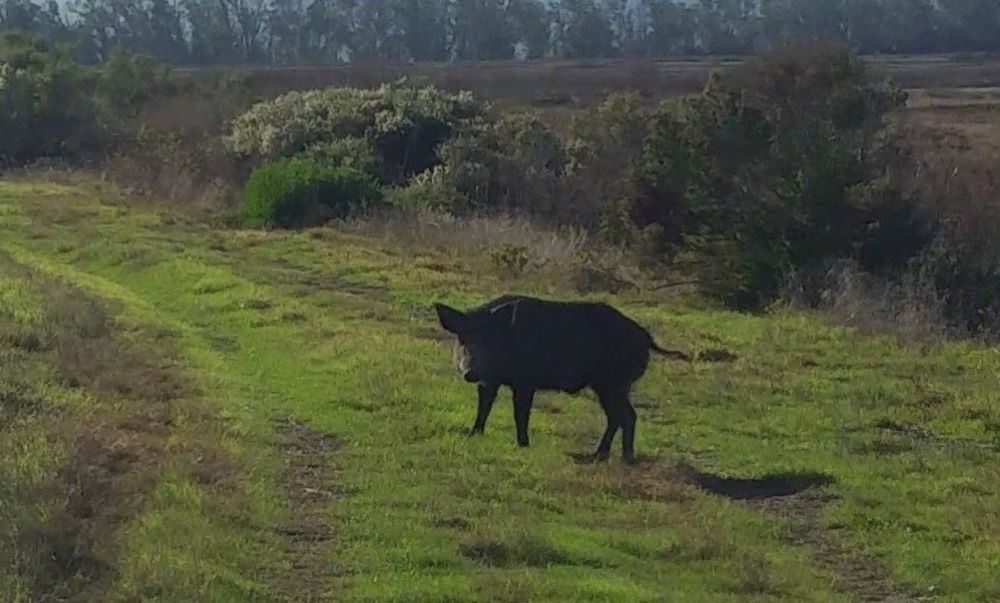
PIG HUNTING SEASON AT LAKE SONOMA OPENS NOV. 7
Geyserville, CA, Monday, Nov. 3, 2025—The Friends of lake Sonoma has announced that its popular feral pig hunting season will open Friday, Nov. 7, and will conclude Sunday, March 22, 2026.
Hunting is archery and crossbow only; firearms are not allowed in the park.
Hunters are required to register in person at any of the following locations:
· Milt Brandt Visitor Center at Lake Sonoma; 3288 Skaggs Springs Road, Geyserville
· Lake Sonoma Resort & Marina, 4200 Skaggs Springs Road, Geyserville
· Turra’s Backroom Archery, 3260 Santa Rosa Ave., Santa Rosa
· West Coast Archery, 2040 Petaluma Blvd. North, Petaluma
Hunters must show a valid driver license and valid California hunting license, as well as a Wild Pig Validation. Each hunter will be provided a Pig Hunting Property Pass for their vehicle and orientation materials. The cost for the pass, good for the entire season, is $35.
Hunters from outside the immediate area can also call the Milt Brandt Visitor Center at 707-431-4533 and provide their information; a Visitor Center volunteer will complete the registration via email and mail the tags.
Hunters wishing to boat-in camp at Lake Sonoma during the hunt should make reservations at www.recreation.gov or by calling 1-877-444-6777. In addition, The Ranch at Lake Sonoma has both tent and RV camping available for walk-ins. Contact the ranch at 707-494-4449 or go online to theranchatlakesonoma.com for more information.
The pig hunts are sponsored by the Friends of Lake Sonoma, a non-profit organization that supports programs at the lake. All money raised is used to cover registration costs, educational materials and land stewardship projects within the park.
Note: Hunters are subject to all park rules and regulations (see https://www.ecfr.gov./current/title-36/chapter-III/part-327, plus all county, state and local laws, and California Department of Fish & Wildlife regulations (see wildlife.ca.gov/regulations).