How To Make Plumas County Magic At Lake Almanor
The following appears in the September issue of California Sportsman:

By Cal Kellogg
Tucked away in the northeastern Sierra Nevada, just outside the small town of Chester, Lake Almanor is one of California’s most celebrated and yet, in many ways, underappreciated fishing destinations.
It’s a lake that rewards persistence, patience and knowledge, but when the stars align, it delivers unforgettable angling experiences.
In the fall, when the days shorten, the air grows crisp and the water begins to cool, Almanor comes alive in a way that few other lakes can match. Trophy rainbows, broad-shouldered brown trout and hard-fighting smallmouth bass all feed heavily, taking advantage of abundant forage before winter arrives.
For anglers with boats, it is nothing short of paradise, and even those casting from shore find themselves in the thick of some of the year’s best action.
WHERE GIANTS GROW
At over 28,000 surface acres with more than 50 miles of shoreline, Almanor is not a small or simple place to fish. Built in 1914 when the Great Western Power Company dammed the North Fork of the Feather River, the reservoir was originally designed to generate hydroelectric power. Over the decades, however, it evolved into one of California’s premier coldwater fisheries.
At 4,500 feet in elevation, Almanor is subject to dramatic seasonal changes. In the dog days of summer, trout retreat into deep water and relate to a well-defined thermocline, but in the fall, surface temperatures cool into the high 50s and low 60s, breaking down stratification and drawing fish back into shallower, more accessible waters.
The lake’s fertility is another reason for its reputation. A broad food web sustains predators here. Japanese pond smelt form vast schools in open water, sculpins and minnows occupy rocky shoals and flats and crayfish are abundant along the bottom.
Insect life is prolific as well, with hatches that keep trout looking upward. All of this means that Almanor can and does produce double-digit browns, rainbows pushing 8 pounds and smallmouth of a size that would make any bass angler envious.

CHOMPING RAINBOWS
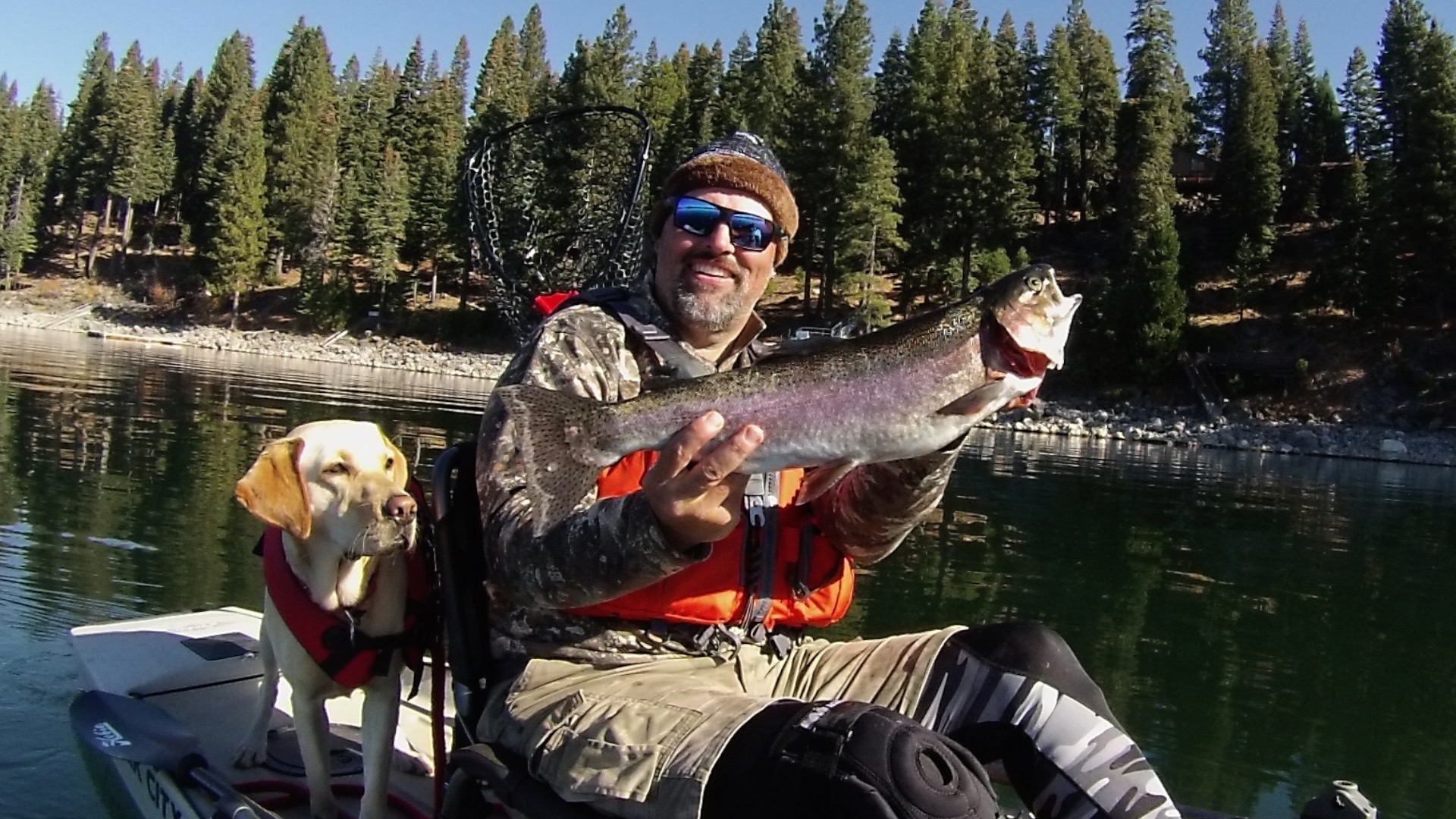
Rainbow trout are often the first species to come to mind when anglers think of fall at Almanor. These are not cookie-cutter stockers, but rather wild, powerful fish that are shaped by the lake’s cold, fertile waters. They average between 2 and 5 pounds, but larger specimens approaching double digits are far from rare. Fall is when these rainbows truly shine, as they roam the lake in search of smelt and insects.
My personal-best wild rainbow came on an October day a few years ago. The fish was nearly 8 pounds and I’ll be on the hunt for a double-digit Almanor rainbow this fall.
Boat anglers have an advantage at Almanor, as they can cover water and locate roaming schools of trout. Trolling is the method of choice, and in the fall it becomes particularly effective.
Anglers work the east shore near Hamilton Branch, the rocky west shore coves or the water off the lake’s peninsula, where they pull spoons and small plugs that flash and dart like smelt.
Autumn rainbows are active and aggressive as they chase down fast-moving baits. Spoons like Speedy Shiners or Trigger Spoons in silver or gold hues, or even in trout patterns, are consistently effective, especially when trolled a little faster than one might pull lures in summer.
Fall rainbows will smash a lure pulled at speeds over 3 miles per hour, and the strikes are often violent, with the fish leaping and cartwheeling across the surface. Fly trolling is another productive approach. Woolly Buggers, leech patterns and flashy streamers mimic both baitfish and insects.
The beauty of autumn at Almanor is that the fish are scattered but hungry, and trolling a fly behind leadcore or a sink-tip line keeps your offering in the strike zone for extended periods.
Those without a boat need not be discouraged. Bank anglers can find excellent rainbow trout fishing in the fall, particularly near Hamilton Branch, where the cooler inflow attracts fish. Casting Kastmasters or spinners from the bank produces action, and a simple inflated nightcrawler drifted off the bottom can be deadly.
Fly anglers standing knee-deep in the shallows can also tempt cruising fish with nymphs or midges suspended under an indicator during calm mornings and evenings.
CHASING ALMANOR BROWNIES
While rainbows provide plenty of action, it is the brown trout that give Almanor its legendary status. Known for their wariness and brute strength, these predators grow fat on smelt, crayfish and even juvenile trout.
Each fall, big browns move into shallower water to hunt, giving anglers their best shot of the year at fish well into the teens, and occasionally beyond 20 pounds.
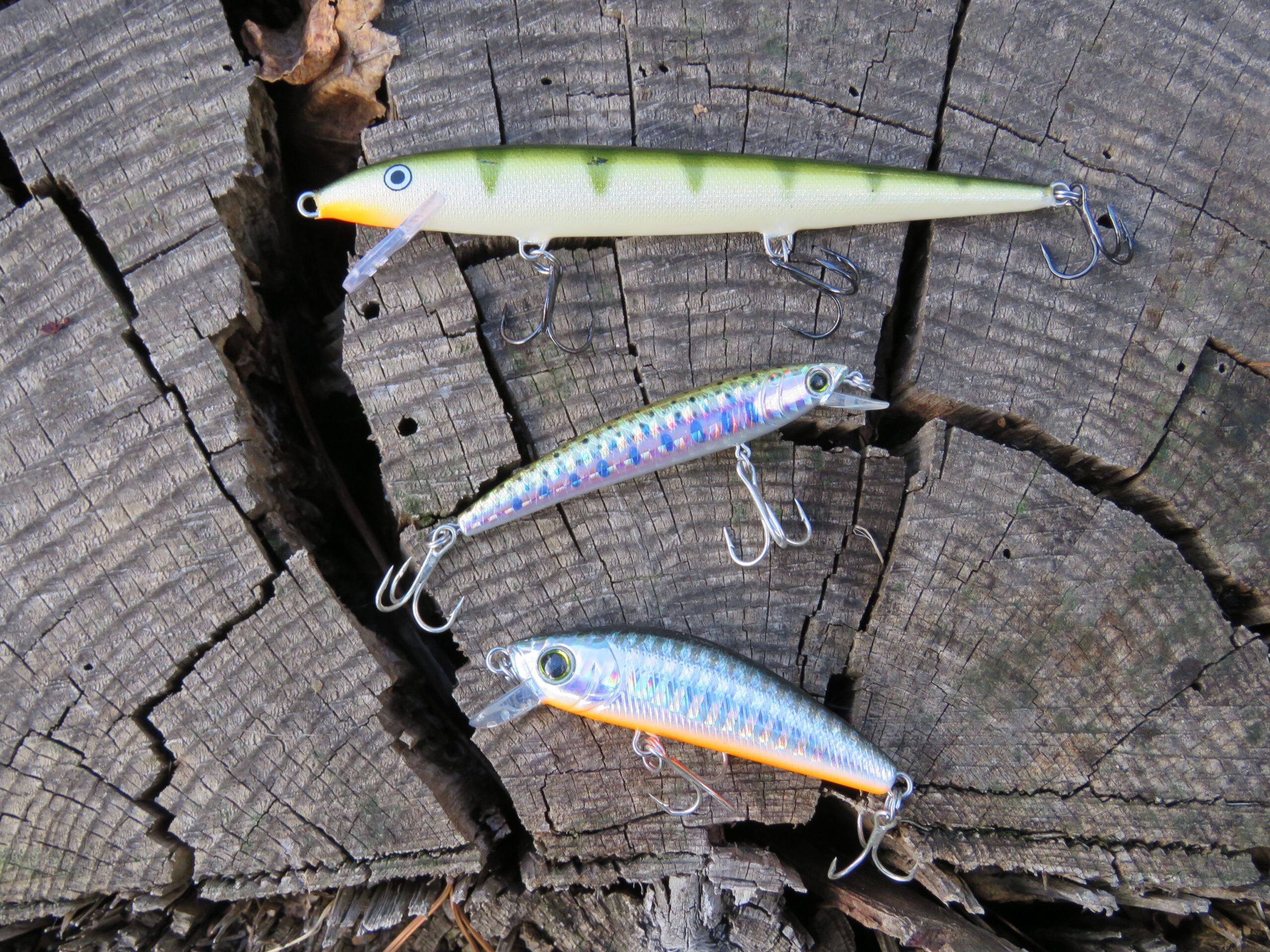
Boaters seeking browns focus on power trolling large minnow plugs that mimic the prey these fish love to ambush. Rapalas, AC Plugs and other stickbaits fished just off the bottom along rocky points, ledges and dropoffs can entice heart-stopping strikes.
The pace of action here is slower than with rainbows, with most anglers working their lures along contours where browns lurk hour after hour, hoping to draw a handful of strikes from trophy-caliber fish.
Bank anglers also get their shot at big browns, and casting large swimbaits, stickbaits or heavy spoons into rocky structure at dawn or dusk can put a trophy within reach. Browns are ambush predators, and a well-placed cast near a submerged boulder or point can produce a strike that will test any angler’s nerves.
SMALLIE SURPRISES
Though often overshadowed by the trout fishery, Lake Almanor is home to one of California’s most prolific smallmouth bass populations. These hard-fighting fish thrive in the lake’s rocky habitat, feeding heavily on crawdads and baitfish.
For many seasoned anglers, Almanor’s smallmouth are a well-kept secret, but in the fall, when the water cools, bass feed aggressively, making it one of the best times of year to target them.
From a boat, anglers search out rocky shoals, points and submerged boulder fields. Smallmouth often school up; where there’s one on this structure, there are usually more.
Methods vary, but the most consistent involves presenting lures that mimic crawdads or baitfish. Bass will take plastics dragged along the bottom, small crankbaits worked across rocky flats or even spinnerbaits churned through the shallows on windy afternoons.
The average smallmouth weighs 2 to 4 pounds, but 6-pounders are common enough to keep anglers dreaming of records.
Shore anglers, too, can enjoy excellent bass fishing in the fall. Rocky shoreline stretches around Geritol Cove, the west shore and near the dam are prime spots. Casting small jigs, tubes or crankbaits during low-light hours can result in explosive strikes. With the fish moving shallow and feeding heavily, this is as good a time as any to experience the fight of a bronzeback on light tackle.

FALL: SPECIAL TIME AT ALMANOR
What makes fall so unique at Lake Almanor is the convergence of conditions. Water temperatures drop into the ideal range, forage concentrates and fish of all species feed with urgency.
Rainbows roam widely and take advantage of insect hatches and smelt schools. Browns slide into the shallows to ambush prey, often under the cover of darkness. Smallmouth prowl rocky shoals and gorge on crawdads and minnows. For anglers, this means opportunity at every turn.
Boat fishing reigns supreme, offering the mobility needed to follow smelt schools or work long stretches of shoreline. But shore anglers are far from excluded, especially at inflows and rocky points where predators push baitfish close to land.
The variety is part of Almanor’s appeal; you can troll spoons for rainbows in the morning, chase browns at dusk and still spend a few hours in between pulling bronzebacks off rocky structure.

GETTING THERE, GETTING STARTED
Access is straightforward, with multiple public ramps around the lake, including facilities at Canyon Dam, Prattville and the North Shore Campground.
The town of Chester provides everything an angler could need – from lodging and restaurants to fuel and tackle shops. Campgrounds and RV parks line the lake for those wanting to stay closer to the action.
One note of caution: Lake Almanor is big water and fall winds can whip up quickly. Mornings are generally calmer and more productive for fishing, but boaters should always be prepared for changing conditions.
FISHING ADVENTURE TO REMEMBER
Fall fishing at Lake Almanor is something every serious angler should experience. The lake’s history, size and fertility make it one of the most unique waters in California, and autumn offers the best opportunity to encounter its finest fish.
Rainbows leap and run, browns strike with savage power and smallmouth bulldog across rocky flats. Add in the beauty of fall colors and crisp mountain air, and it becomes more than just a fishing trip; it’s an experience that lingers.
So pack your tackle, prep your boat and head for Chester and Plumas County this fall. Because if you’re serious about big trout – and maybe a few bronzebacks along the way – you seriously need to visit Lake Almanor. CS
Editor’s note: Cal Kellogg is a longtime Northern California outdoors writer. Subscribe to his YouTube channel Fish Hunt Shoot Productions at youtube.com/user/ KelloggOutdoors.