Entering The ‘Rubicon’: A Diverse Sierra Trout Fishery Along The Middle Fork American River
We’re counting down to Saturday’s statewide trout opening day with stories from our April issue. Today: Plenty of options for trout anglers in American River/Rubicon River Complex:

Big browns like this impressive fish lurk in the depths of the Middle Fork of the American River, part of the Rubicon/American Complex in the Sierra that features plenty of action for wild and planted trout at various lake and river fisheries. (CAL KELLOGG)
By Cal Kellogg
There are places in California where trout fishing isn’t defined by a single lake or stretch of river, but by an entire interconnected system of water. A place where snowmelt, granite and elevation combine to create a diverse and dynamic fishery that changes with the seasons. That’s exactly what you’ll find in what I’ve come to call the Rubicon/Middle American River Complex.
Tucked into the rugged west slope of the central Sierra Nevada, this network of waters includes high-elevation reservoirs, tumbling freestone rivers and deep canyon impoundments. It’s a system fed by snowpack and driven by elevation, meaning anglers can follow the bite as conditions shift from the high country down into the foothills. In early summer, trout are active in the upper reaches, while fall often brings prime action to mid- and lower elevations as cooling temperatures and stable flows concentrate fish and make them more accessible.
What makes this complex so special isn’t just the quality of the fishing; it’s the variety. In a single weekend, you can troll for hard-fighting rainbows in a deep mountain reservoir, cast spinners or flies to wild trout in pocket water and finish the day probing rivers where large, opportunistic fish prowl. These waters are rich with forage, lightly pressured in many areas and capable of producing both numbers and quality fish.
For anglers willing to explore, the Rubicon/Middle American River Complex offers one of the most versatile and rewarding trout fisheries in Northern California. It’s not a single destination, but rather a system you learn, follow and return to season after season.

FRENCH MEADOWS RESERVOIR
French Meadows is the high-country anchor of these waters, and it is one of the most consistent trout producers in the entire system. Set at roughly 5,200 feet on the Middle Fork American drainage, the reservoir offers cold, clear water, good launch facilities, multiple campgrounds and a fishery built around rainbows and browns. Placer County Water Agency notes that rainbows are stocked annually. These fish commonly run 12 to 22 inches, while browns here frequently top 6 pounds.
For numbers, the rainbows are the main draw. In early summer, and again in the fall when surface temperatures cool, trolling small spoons, Needlefish and 2- to 3-inch minnow plugs along the edge of the old river channel, flooded wood and long, tapering banks is the fastest way to put fish in the boat.
French Meadows has a lot of submerged wood and stump structure, and those features give trout both shade and ambush cover, so pay close attention to contour changes and isolated timber on your electronics.
If you want bigger fish, focus on brown trout. Brownies at French Meadows aren’t usually free biters, but they are there and respond best to low-light trolling passes with larger plugs in trout, black-silver or gold finishes.
Work steep banks, points near deep water and the lower end of the reservoir early and late in the day. Bank anglers do well with inflated crawlers, PowerBait and hardware such as Kastmasters and Panther Martins, especially around accessible points, launch areas and creek-influenced shoreline.
French Meadows is not just scenic water. It is a serious trout lake that rewards anglers who fish methodically, pay attention to depth and structure and adapt as the season shifts.

HELL HOLE RESERVOIR
If French Meadows is the accessible workhorse of the complex, Hell Hole is its wild, deepwater backbone – a place where the fish run bigger, the water runs colder and the learning curve gets steep in a hurry.
Sitting at over 4,600 feet on the Rubicon River, Hell Hole is a long, narrow canyon reservoir known for its dramatic depth, ultra-clear water and a trout fishery that consistently produces quality fish for anglers willing to put in the time.
Rainbow trout, bolstered by regular plantings, are the foundation of the fishery, but it’s the holdovers and brown trout that give Hell Hole its reputation. Rainbows commonly run 14 to 20 inches, but fish pushing into the mid-20-inch class are always a possibility. Browns are less abundant, but they grow big, and fish in the 5- to 10-pound class are very real targets.
Trolling is the primary method for covering water, and success at Hell Hole hinges on depth control. Early and late in the season, fish can be found from the surface down to 20 feet, especially along steep banks, points and areas where the old river channel swings tight to shore. As summer progresses, trout slide deeper and often hold 30 to 60 feet down over much deeper water. Downriggers, leadcore or weighted line systems are essential for staying in the strike zone.
Productive offerings include small spoons, Apex lures and minnow-style plugs in natural baitfish patterns. For bigger browns, step up to larger plugs in trout, perch or black-silver finishes and focus on low-light periods along rocky shorelines and structure-rich zones near the dam and midlake narrows.
Trolling speed is critical – generally, 1.8 to 2.5 miles per hour, but don’t be afraid to experiment until fish show a preference.
Bank access is limited compared to French Meadows, but anglers can find opportunity near the dam and at the upper end when water levels allow. Inflated nightcrawlers, PowerBait and hardware such as Kastmasters and spinners will all take fish, particularly during the fall when trout push shallower.
Hell Hole isn’t a numbers lake; it’s a quality lake. Fish it with precision, respect its depth and it will reward you with some of the best trout in the system.
OXBOW RESERVOIR
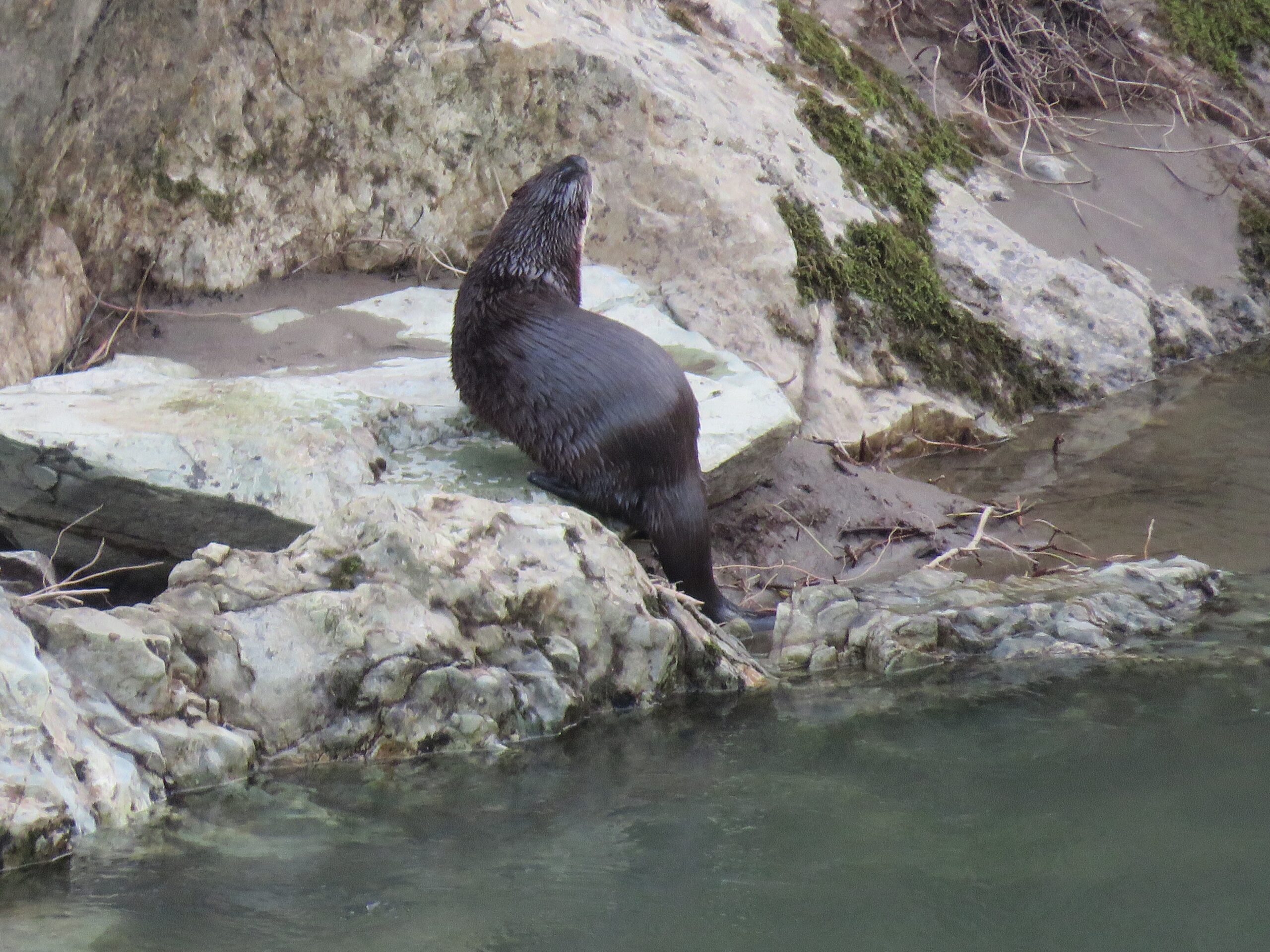
Oxbow Reservoir is the low-elevation outlier in the Rubicon/Middle American River Complex, but don’t let its modest size or foothill setting fool you; this is a highly productive, year-round fishery that can deliver fast action and surprisingly quality trout when conditions line up.
Formed on the Rubicon River below Hell Hole, Oxbow is a narrow canyon impoundment with relatively stable water levels, easy access and a mix of wild rainbows and browns.
Rainbows are the primary target. These fish typically run 10 to 16 inches, but can push well beyond that, especially during the cooler months. What makes Oxbow unique is its combination of current and still water – essentially a hybrid fishery where river and lake tactics both come into play.
From a boat, trolling is extremely effective, especially in the main basin and along the channel edges. Because Oxbow is relatively shallow compared to the upper reservoirs, most trout are accessible without heavy gear. Flat-line trolling or light leadcore setups with small spoons, spinners, flies or minnow plugs will cover the water efficiently. Speeds in the 1.5 to 2.2 mph range are ideal, and focusing on subtle contour changes, points and areas where current enters the reservoir can make a big difference.
Bank anglers have excellent opportunities at Oxbow thanks to good shoreline access. Fishing inflated nightcrawlers or PowerBait off the bottom is a reliable approach, particularly near the dam and along accessible shoreline stretches.
For more active fishing, casting small spinners, spoons or even flies under a clear bubble can produce steady action, especially during morning and evening periods when trout move shallow.
Seasonally, Oxbow really shines in the fall, winter and early spring when water temperatures are cool and trout active throughout the water column. In summer, fishing can slow during the heat of the day, but early and late windows still produce.
Oxbow may not have the size or mystique of Hell Hole or French Meadows, but for consistent action and accessibility, it’s one of the most dependable trout fisheries in the entire complex.
MIDDLE FORK AMERICAN RIVER
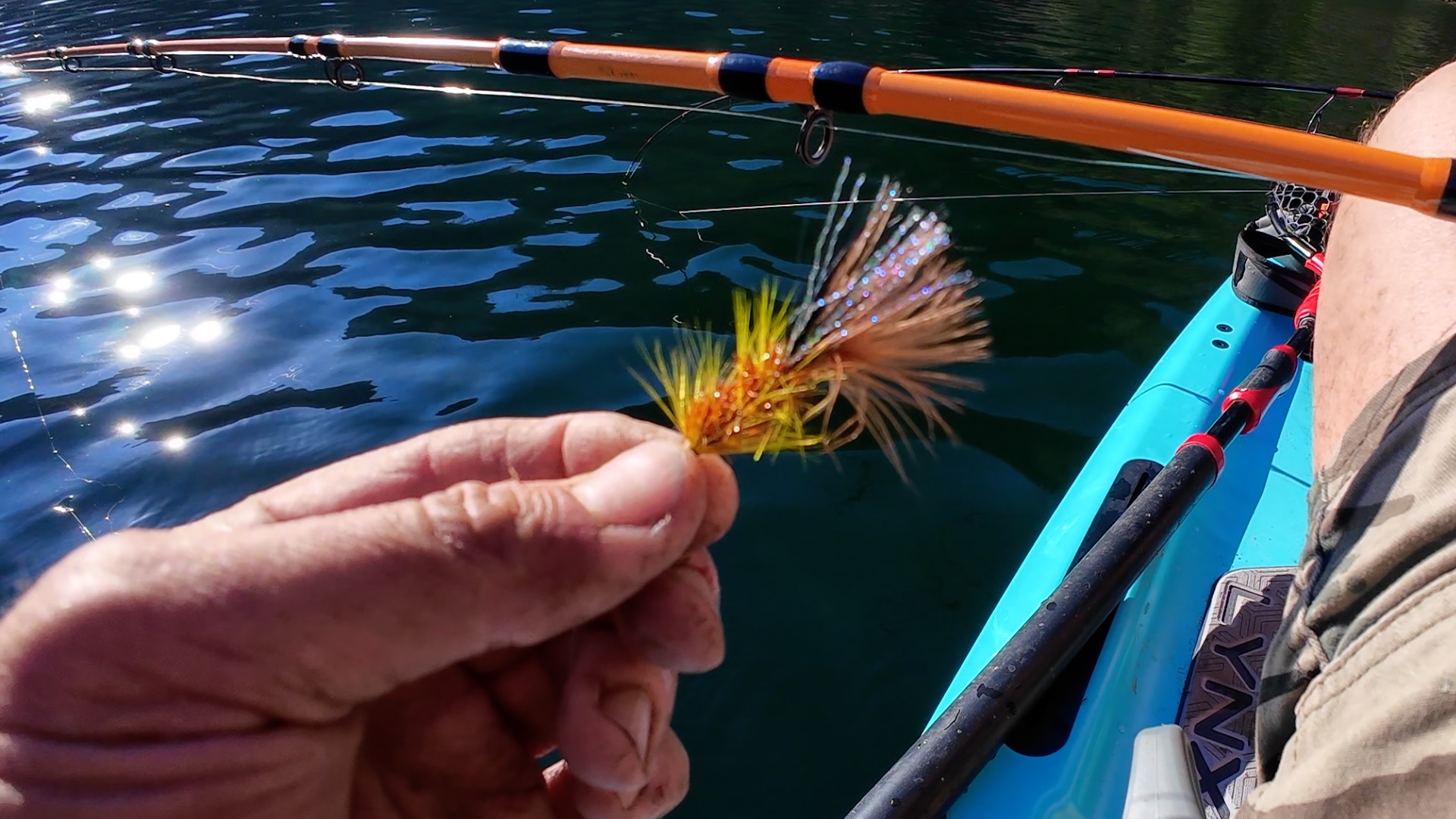
The Middle Fork American River is the moving-water backbone of the complex, a classic Sierra freestone that offers some of the most rewarding – and at times challenging – trout fishing in Northern California. Flowing out of French Meadows Reservoir and carving its way through steep granite canyons, the river transitions from a cold, controlled tailwater in its upper reaches to a more natural, free-flowing system as it drops toward Foresthill and then Auburn.
Trout here are primarily wild rainbows, with a scattering of browns in the lower stretches. These fish don’t see nearly the pressure of more accessible streams, and as a result they are strong, opportunistic and willing to move for food when conditions are right. Fish in the 10- to 14-inch range are common, but larger trout are always a possibility, especially in the deeper runs and plunge pools.
Tactics on the Middle Fork revolve around reading water and making precise presentations. Pocket water, seams, undercut banks and boulder-strewn runs all hold fish. Fly anglers do well with nymphing rigs featuring stonefly patterns, caddis imitations and small mayfly nymphs, while dry fly fishing can be excellent during evening hatches. Terrestrials – ants, beetles and grasshoppers – are also highly effective, particularly in late summer and early fall.
For spin anglers, small spinners like Panther Martins and Rooster Tails, along with compact spoons such as Kastmasters, are top producers. The key is to fish methodically, covering each piece of water thoroughly before moving on. Cast upstream and across, allowing your offering to drift naturally through holding water, and be ready for quick, aggressive strikes.
Water releases from French Meadows can influence flows in the upper river, so it pays to check conditions before heading out. In general, late spring through fall offers the most consistent fishing, with fall standing out as a prime time when flows stabilize, water temperatures cool and trout feed aggressively ahead of winter.
Access can require some effort, but that’s part of the appeal. The Middle Fork American rewards anglers willing to hike, explore and think like a trout. It’s not just about catching fish; it’s about engaging with a wild river system on its own terms.


RUBICON RIVER
The Rubicon River is an epic wild trout fishery. Draining high granite basins and feeding directly into and emanating from Hell Hole Reservoir, the Rubicon is a rugged, often remote Sierra stream that offers classic trout water – cold, clear and full of character. This is not a numbers game for casual anglers, but rather a thinking angler’s river, one that rewards stealth, precision and a willingness to cover ground.
The Rubicon supports populations of wild rainbows along with a mix of browns, particularly in the lower reaches below Hell Hole. Fish here are typically in the 8- to 14-inch range, but they are strong, beautifully marked and capable of surprising size in deeper pools and less-pressured stretches. These trout live in fast water, broken current and complex structure, and they are tuned in to natural forage.
From a tactics standpoint, this is textbook Sierra stream fishing. Fly anglers will find success with a combination of nymphing and dry fly work. Stonefly nymphs, caddis patterns and small mayfly imitations produce consistently, especially when drifted naturally through seams and pocket water. During summer and early fall, terrestrial patterns – again, think ants, beetles and hoppers – can be deadly, particularly along grassy banks and under overhanging brush.
Spin anglers should focus on small, high-action presentations. Panther Martins, Rooster Tails, small Countdown Rapalas and small spoons like Kastmasters are all effective,
especially when worked through plunge pools, tailouts and current breaks. The key is to stay mobile and fish each likely holding lie thoroughly before moving on. Cast upstream whenever possible to maintain a natural drift and minimize spooking fish in the ultra-clear water.
Access to the Rubicon varies, with some areas reached by road and others requiring hikes into more isolated water. That effort pays off in reduced pressure and more willing fish. Late spring through fall offers the best conditions, with fall standing out as a prime window when flows stabilize and trout feed aggressively.
The Rubicon isn’t about convenience; it’s about connection. For anglers willing to meet it on its terms, it delivers pure, unfiltered Sierra trout fishing at its finest. CS
Editor’s note: Cal Kellogg is a longtime Northern California outdoors writer. Subscribe to his YouTube channel Fish Hunt Shoot Productions at youtube.com/user/KelloggOutdoors.