Don’t Lose Sight Of Trout That Are On The Move This Summer
The following appears in the June issue of California Sportsman:

By Cal Kellogg
For trout anglers, the transition from spring into summer is one of the most overlooked yet potentially productive periods of the entire fishing season.
Trout are literally in motion during this window. Water temperatures are climbing, baitfish are relocating, thermoclines are beginning to form, and trout are transitioning from relatively shallow spring patterns toward deeper and more structured summer behavior.
This movement creates a great opportunity for anglers willing to adapt. Many fishermen struggle during the spring-to-summer transition because they continue fishing exactly the same way they did a month earlier.
Meanwhile, trout are changing locations, changing feeding behavior and changing depth preferences almost daily during this seasonal shift. Successful anglers recognize those changes and evolve right along with them.
TROLLERS’ TIME TO SHINE
For trollers, this period can produce some truly exceptional fishing. That’s because trout are often actively feeding while also becoming more concentrated around specific depth bands and forage zones.
The first major change anglers need to understand revolves around temperature. During early spring, trout may roam nearly anywhere in the water column. Surface temperatures remain cool and oxygen levels stay high throughout much of the lake. But as the season progresses, surface temperatures climb steadily and trout gradually slide deeper and search for cooler, more stable conditions.
That doesn’t mean the fish immediately disappear into extreme depths. In many Western reservoirs during the spring-to-summer transition, trout commonly hold anywhere from 15 to 50 feet deep depending on weather, water clarity, forage availability and lake elevation. This depth range is where modern trolling systems really shine, because anglers can systematically cover water while maintaining precise lure placement.

PRECISION EQUALS PERFECTION
Precise trolling matters enormously during this seasonal shift, which is why downriggers become critically important. Many anglers wait too long before deploying downriggers each year. They continue toplining long after trout have already begun slipping deeper. The reality is that once trout consistently move below roughly 15 feet, downriggers provide a major advantage and allow anglers to maintain exact depth control while trolling efficiently.
During the transition period, I generally begin each day by targeting the upper portion of the productive depth zone before gradually working deeper, if necessary. Trout are often surprisingly willing to rise for a lure, especially during low-light periods or under overcast conditions. There is usually no reason to immediately start scraping bottom in 60 feet of water unless sonar clearly indicates fish are holding there.
This is one reason sonar becomes such an important tool this time of year. Successful anglers constantly monitor bait schools, suspended fish, thermocline development and depth changes. The trout are almost always related to food during this time of year. In many Western lakes, that means threadfin shad, pond smelt or juvenile kokanee become primary targets for feeding trout. Once anglers locate forage concentrations, they are often well on their way toward finding trout.
Key structural areas also become increasingly important as summer approaches. Points, creek channels, submerged humps, dam faces and steep shoreline transitions all deserve careful attention, as trout often use these areas as travel routes and feeding zones. Wind-blown structure can be especially productive, as wind concentrates plankton and baitfish, which in turn attract trout.
SLOW DOWN, TRICK TROUT
One of the biggest mistakes anglers make during this transition is trolling too quickly. Yes, trout can absolutely be caught at faster speeds, and there are days when speed triggers reaction strikes, but during much of the spring-to-summer transition, moderatetrollingspeedstendto dominate. Roughly 1.8 to 2.5 mph remains the sweet spot much of the time; it keeps lures working naturally while still covering water efficiently.
TACKLE BOX STAPLES
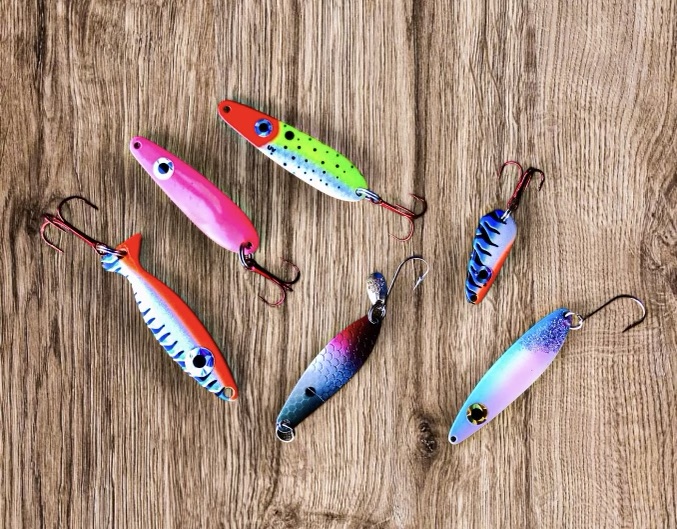
Lure selection during this period should revolve around versatility. Minnow plugs remain tremendous producers with trout becoming increasingly forage-oriented as summer approaches.
Small- to medium-sized Rapala Countdown plugs excel. They can be fished naturally at moderate speeds while imitating wounded baitfish extremely effectively. Natural baitfish finishes like black back/silver body, blue back/silver body and rainbow trout consistently produce fish during this seasonal transition.
At the same time, however, bright, aggressive finishes such as clown, orange and gold, and hot pink absolutely deserve space in the spread. This is because spring trout often still respond aggressively to high-visibility offerings.
Spoons also remain deadly throughout the transition period. Medium-sized spoons trolled at moderate speeds cover water efficiently while imitating fleeing baitfish. Metallic finishes continue shining during this period, particularly silver, chrome and blue, and copper patterns. If the lake contains threadfin shad or pond smelt, spoons in silver color schemes become especially effective.
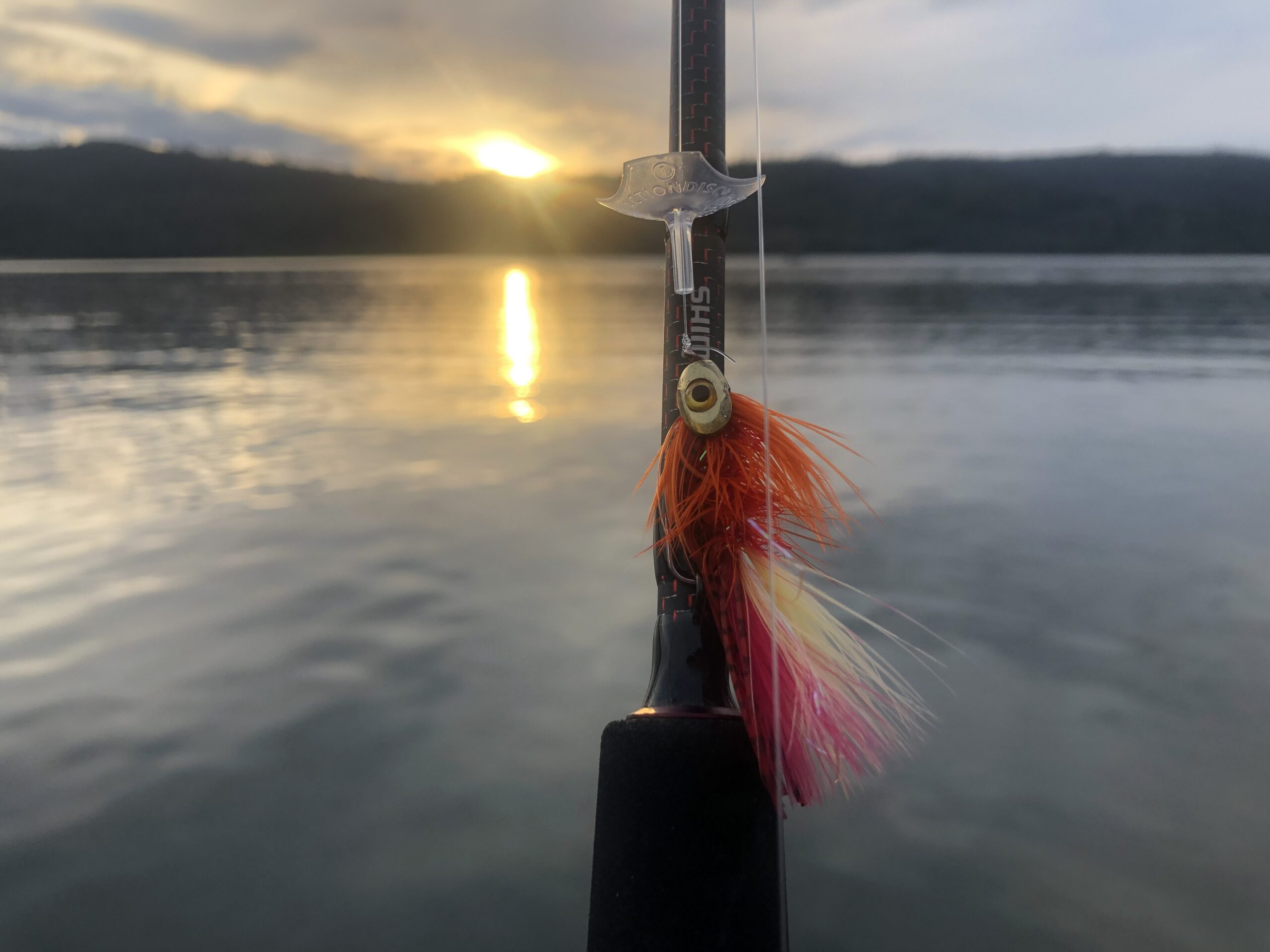
As trout become less aggressive or conditions grow difficult, trolling flies and hoochies begin playing larger roles. These presentations offer subtle movement and natural profiles trout often respond to when larger, faster-moving lures become less effective.
MIX AND CATCH
One factor many successful anglers discover during this transition period is that mixed spreads become extremely valuable. Rather than running identical lures on every single rod, smart trollers experiment constantly with depth, speed, lure profile and color.
Pull a spoon high in the water column with one rod, work a plug deeper with another, and on a third setup, troll flies behind an action disc. This systematic experimentation allows anglers to quickly identify the day’s productive pattern. Once the trout reveal their preferences, successful anglers refine and tighten the spread around the presentations producing consistent action.
CHECK YOUR LOCAL FORECAST
Weather also plays a major role as the seasons change. Stable, mild weather often produces steady, predictable fishing, while abrupt heat waves or severe cold fronts can temporarily reposition trout or reduce feeding activity.
Wind, however, is generally your friend. A moderate breeze creates surface chop, positions bait and breaks up light penetration, making trout more comfortable and feeding aggressively. Glass-calm conditions frequently make trout more cautious and difficult.
As summer approaches, early-morning fishing also becomes increasingly important. Trout commonly feed actively during low-light periods before sliding slightly deeper as sunlight intensifies. That said, many anglers make the mistake of quitting too early. Some of the best trout action during late spring and early summer actually occurs between roughly 10 a.m. and early afternoon once baitfish become active and water temperatures stabilize slightly.
One important truth about this transition period is that trout often suspend rather than hold tight to the bottom. Anglers dragging gear directly on the bottom frequently troll beneath actively feeding fish. This is why sonar interpretation and precise depth control matter so much. Pay attention to where the bait is holding because the trout are usually nearby.
TAKE SHORE LEAVE
While trolling dominates much of the spring-to-summer trout conversation, bank anglers absolutely still have opportunities to remain highly effective during this seasonal shift. The biggest adjustment shore fishermen must make is mobility. Spring trout may cruise shallow flats and shoreline areas freely, but as the water warms bank anglers need to target areas that naturally provide access to deeper water.
Dam faces, steep rocky banks, points, marina areas and locations adjacent to creek channels all become increasingly important. Trout can move between shallow and deep water efficiently in these zones.
Timing also becomes critical for shore anglers. Early mornings, evenings and windy periods often provide the best opportunities, as trout will move shallower to feed under reduced light and increased surface disturbance. Overcast skies can extend shallow feeding activity dramatically.
DON’T GIVE UP ON MEATY OFFERINGS
Bait anglers remain very much in the game during the spring- to-summer transition. Traditional offerings like PowerBait and nightcrawlers continue producing fish, especially when presented near deeper structure or transition zones. Floating bait rigs that allow presentations to suspend slightly above bottom often outperform stationary bottom-hugging setups because trout frequently cruise just off the substrate.
Nightcrawlers remain especially important with trout transitioning toward summer feeding patterns while continuing to respond strongly to natural bait.
Inflated ’crawlers, threaded ’crawler presentations and ’crawler chunks fished beneath sliding sinker rigs all deserve serious attention. Shore anglers would also be wise to carry a selection of casting lures, including small spoons, spinners and minnow plugs. These offerings can be deadly when worked near points, current areas and wind-blown structure during low-light feeding periods.

NIGHT VISION
One tactic many bank anglers overlook this time of year is fishing after dark. As lakes warm, larger trout frequently move shallow at night to hunt baitfish and cruise shoreline structure. Night fishing with plugs, inflated nightcrawlers or glow presentations can produce spectacular action while daytime anglers struggle.
SAVOR THE SUMMER
Ultimately, the key to success right now is all about understanding movement. The trout are moving, the bait is moving, the productive depth zones are moving and the seasonal patterns are evolving almost daily. Anglers who recognize these shifts and adjust accordingly often experience some of the best trout fishing of the year. Those who stubbornly cling to fading spring patterns frequently struggle and wonder where the fish disappeared to.
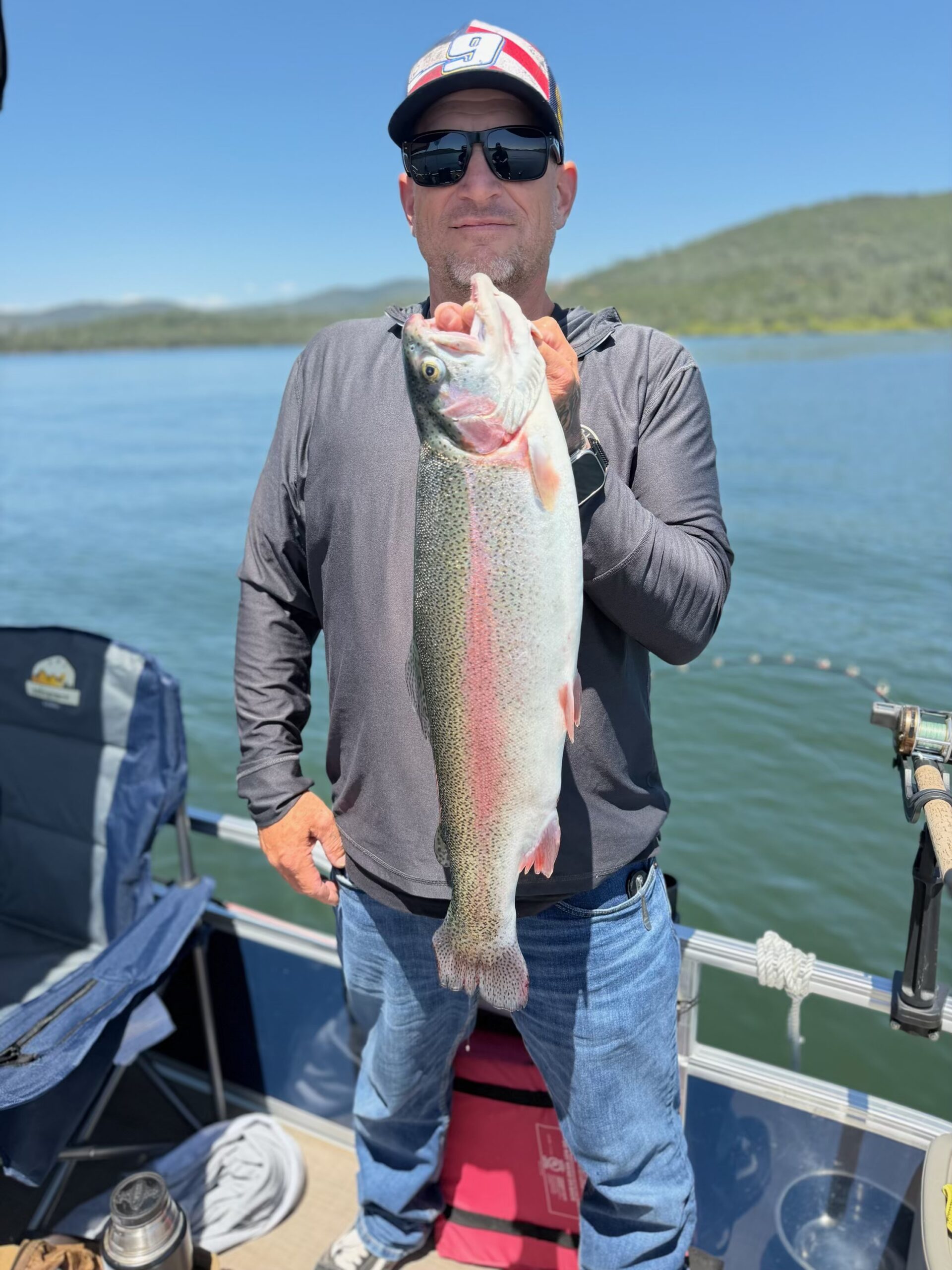
The trout haven’t disappeared. They’ve simply transitioned into summer behavior. For anglers willing to follow them, the weeks ahead offer outstanding opportunities to connect with everything from aggressive rainbows and heavy trophy browns to deep-water Mackinaw. Whether trolling structure with downriggers, probing suspended bait schools with spoons and plugs or working shoreline access points with bait and lures, the spring-to-summer transition remains one of the most dynamic and rewarding periods in the trout fishing calendar. CS
Editor’s note: Cal Kellogg is a longtime Northern California outdoors writer. Subscribe to his YouTube channel Fish Hunt Shoot Productions at youtube.com/ user/KelloggOutdoors.