Confessions Of A Born-Again Bass Angler
The following appears in the May issue of California Sportsman:
By Tim E. Hovey
As the weather warms and the days get longer, I start getting everything set for spring fishing. The boat is prepped and ready, and I use the internet to check the water temperatures of several lakes near me. Reels are refilled, tackle boxes organized and I hit Bass Pro Shops to restock my gear. Ask anglers and they’ll tell you the only thing better than fishing season is prepping for fishing season.
LEARNING TO LOVE BASSIN’
Growing up in California, I would fish whenever and wherever I could. Living near the coast, those fishing forays would usually lead me to the ocean, to either fish from shore or on a boat. However, every year, I’d find myself carving out some time to figure out the subtleties of freshwater fishing. It really didn’t matter where I was in life; if I was located near a body of water, I wanted to fish it.
In those early years, I’d occasionally catch largemouth bass while fishing local ponds and lakes. Yeah, I caught them on spinners, crankbaits and spinnerbaits, but hookups were few and far between, and usually I was surprised when they hit my setup. Understanding that bass were the prized gamefish of freshwater, I wanted to be able to target them consistently. A chance meeting at a local pond would help me smooth out this learning curve.
ON-THE-WATER LESSON
When I was in high school, I lived near a sizable lake that was located less than a mile from my home. I fished it often, and one spring morning I decided to ride my bike to the pond to see what was biting. Arriving at the shore with my diverse bag of tackle, I tied on a spinnerbait and spent the better part of an hour fan casting and retrieving without a hit, bump or follow.
An older gentleman, standing at the point to my right, had caught at least six bass during the time I had been frothing up the shore with my lure. I also noticed that he never left his spot. As all anglers do, I was trying to see what he was throwing, but I was too far away. As it turned out, he would come to me.
On his way back to the parking area, he stopped by and asked me how I was doing. This was clearly the price a fishless man must pay to learn the secret of a true angler. He had been close enough to me to notice that all I had been doing for the last hour was practicing my casting. He knew how I was doing, but he made me say it.
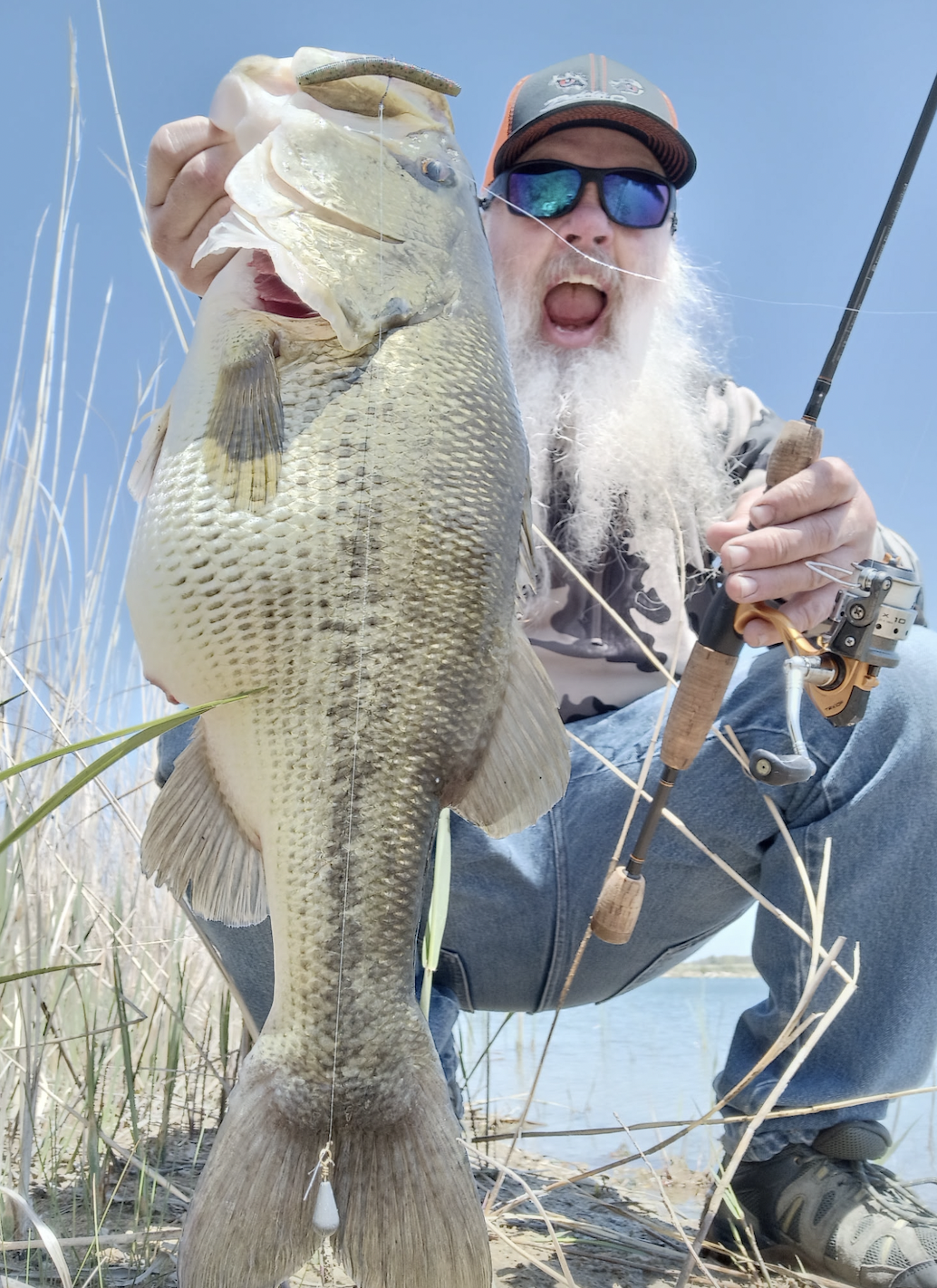
He then showed me his simple rig. A skinny, purplish worm with a curly tail – no longer than 6 inches – and a hook were attached to the end of his line; nothing more. His presentation was equally simple. After casting the light lure out, he’d simply let it sink. Once on the bottom, he’d twitch it once or twice, then reel it in and repeat. He concluded the short lesson by telling me I needed to watch the line for a pickup. That encounter occurred almost 40 years ago.
The next day, I was back at the lake with this same setup. Three casts in, I caught my first bass of the day. It was nothing huge, maybe a pound, but I had just been introduced to a bass fishing technique that I would be using for the rest of my life. Using spinning gear to cast the light offering out and then watching the line floating on the water for any sign of interest, I considered this technique finesse fishing.
With this new fishing tool in my back pocket, I continued to figure out what worked and what didn’t when chasing largemouth. I kept detailed notes of my sessions. I would include water temperatures, lure types and fishing techniques.
GO-TO STAPLES
As the years piled up, I noticed that no matter what tackle I had brought along with me, I was only using two types of bass lures: the magic purple worm and crankbaits.
Casting and retrieving crankbaits is what I call a “turn and burn” aggressive bass fishing technique, and I find nothing more satisfying than the sudden stop of a retrieved lure. I have my favorite patterns, and if fish are active and the water is a bit warmer, I’ll reach for my baitcaster and my favorite crankbait first.
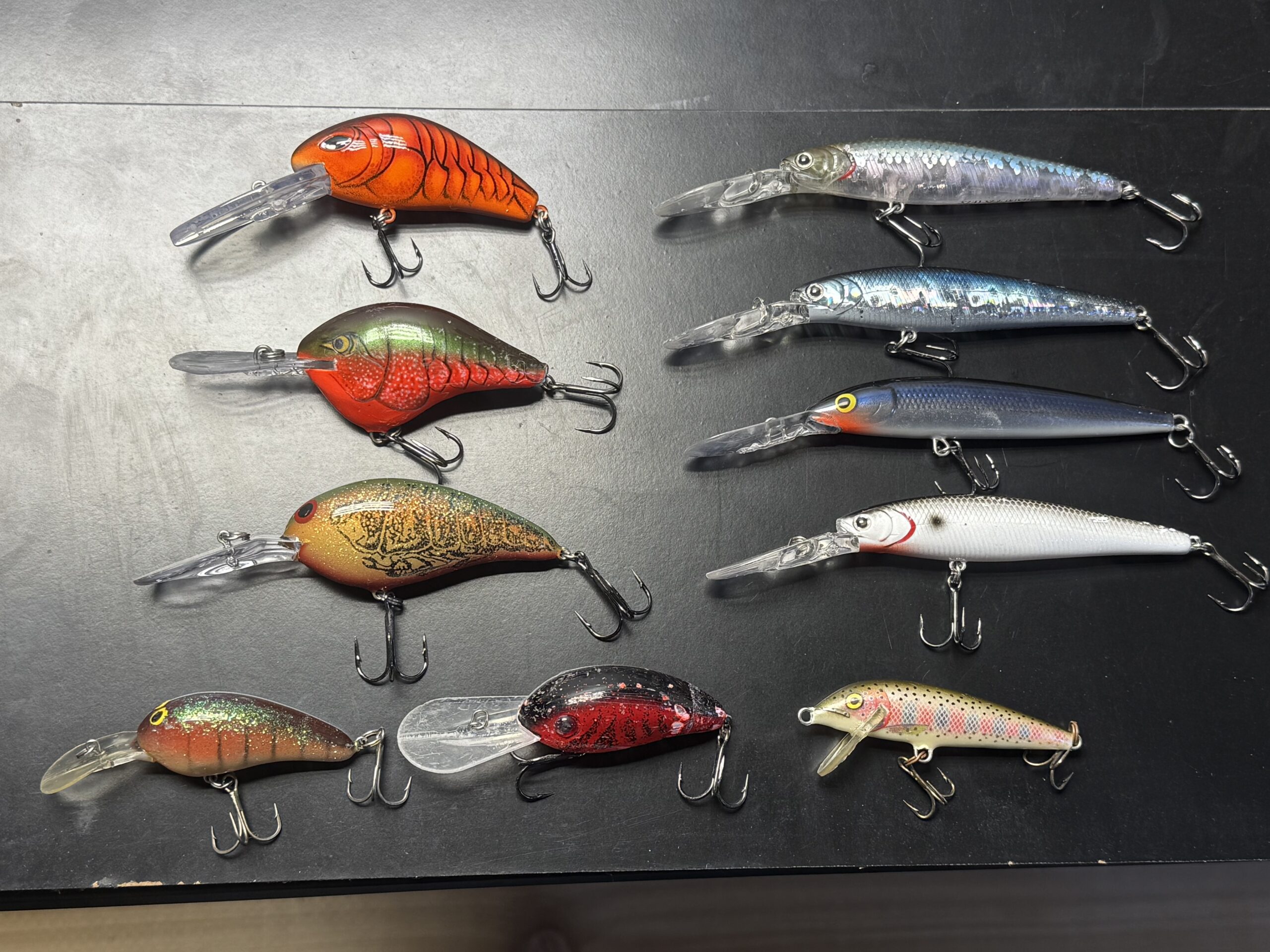
I understand that differently shaped crankbaits have specialized names, but I consider them all crankbaits. I like deep divers when the water is a bit colder, floating divers in the morning and skinnier stickbaits for casting up close to rocky lake structure. Honestly, it doesn’t matter if it’s a new body of water or a familiar lake, no matter what, I grab the crankbait rod first to turn and burn. And if things are slow, I start throwing the finesse lure.
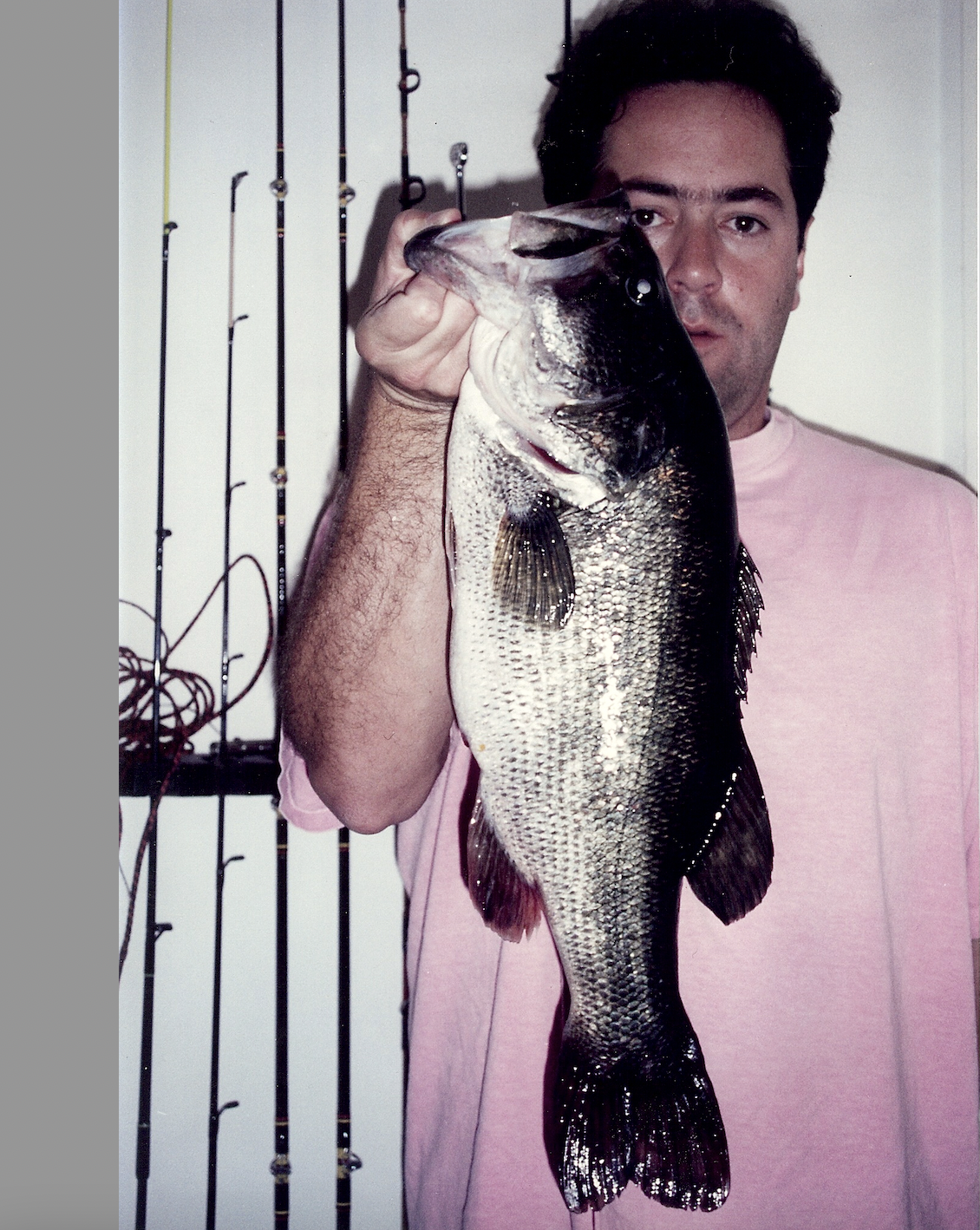
These two techniques work well for me. My two biggest bass came from fishing the purple worm and burning a crankbait. These are the techniques I’ve gladly shared with my outdoor daughters and my fishing friends.
GEMS OF THE GEM STATE
Now living in Idaho, I feel like I’ve further perfected these bass-catching techniques. The southern portion of the state is loaded with rivers, lakes and ponds, most of which hold solid populations of bass. It didn’t take me long to start exploring my new state and catching largies.
In 2021, my good buddy John Mattila made a trip out to visit. He had recently relocated to Texas and had yet to explore his new home state for outdoor opportunities. I assured him that there was plenty to do in the Gem State.
I picked him up at the airport and we headed for a couple of farm ponds I had access to. I had four rods for the fishing session: two for crankbaits and two rigged with the magic purple worm. After a quick stop for lunch, we were at the property in the early afternoon.
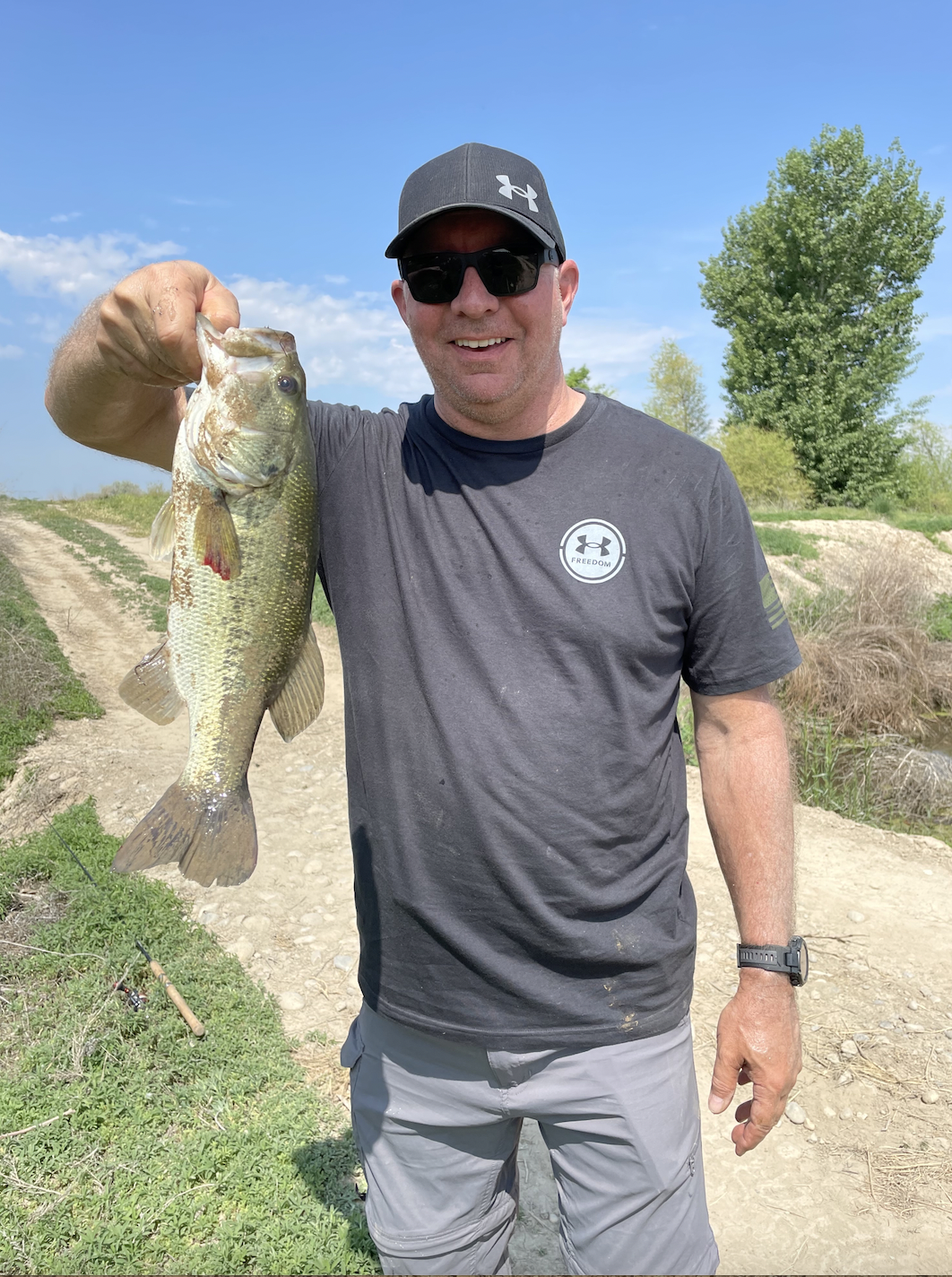
As I looked through my tackle, we each picked a crankbait from my extensive collection. John picked a shallow-running floating diver and I picked a longer bait that just happened to be the oldest one in my collection. We split up to cover more ground and started fishing. Less than 10 minutes after we began – and not even an hour after his plane had landed – I heard a whistle from John. I looked over and he was holding a nice-sized largemouth bass. I ran over and took a few photos, and he told me he was going to continue fishing around the larger pond. I told him I’d stick to the other pond on the property.
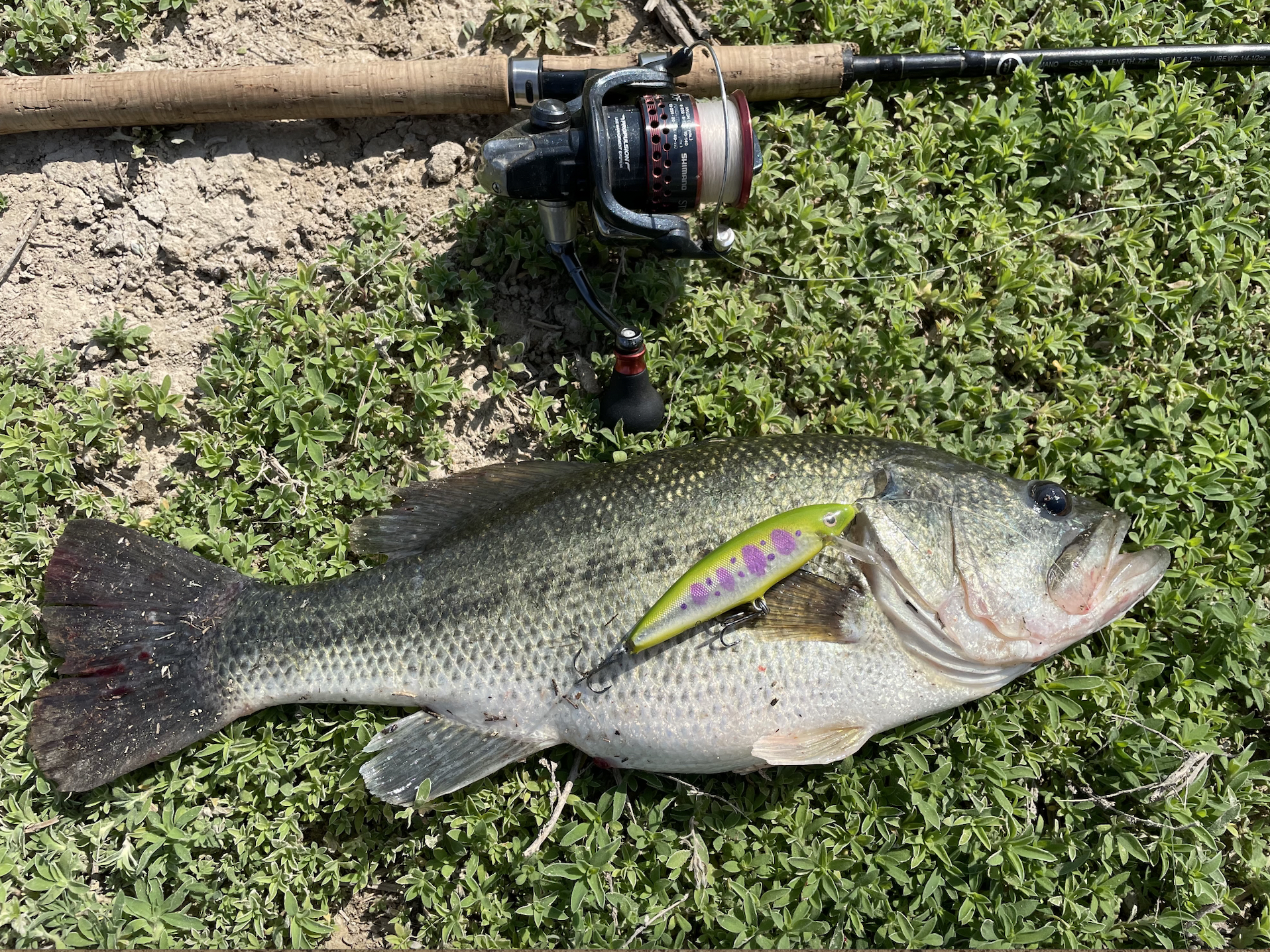
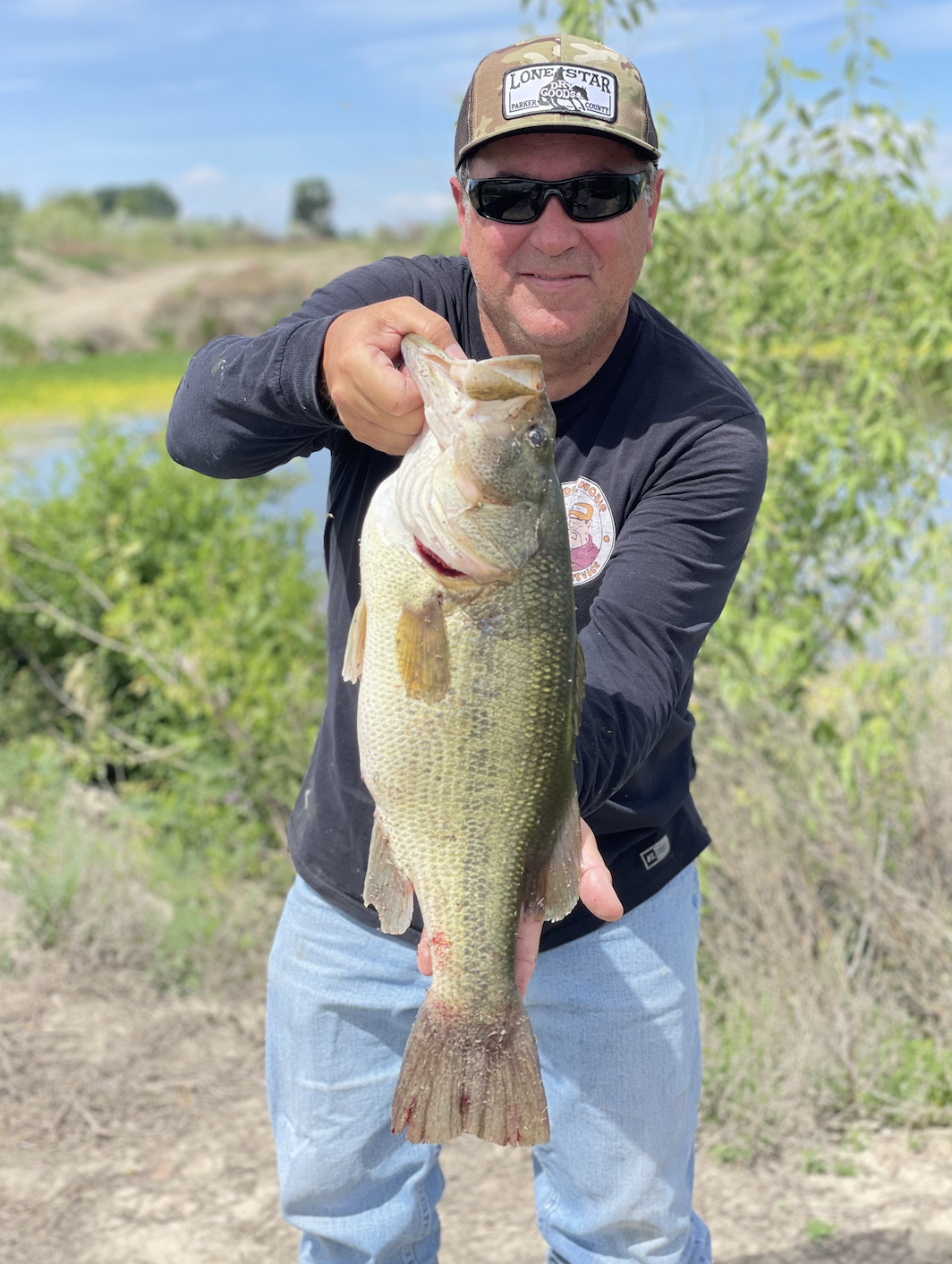
Having caught a couple of smaller bass, I was working my way to the back of a nice-looking cove. I made a long cast off a point, and as soon as the floating lure hit the water, I saw a swirl next to the crankbait. I waited, but nothing grabbed the trout imitation. I started the retrieve, and about halfway back to the shore, the lure stopped abruptly. I set the hook hard and nothing happened. Seconds later the surface exploded with the largest bass I’d ever hooked.
As soon as I saw the fish, I noticed two of the three treble hooks firmly hooked on the outside of its mouth. This was not ideal, but two hooks are better than one. After a give and take on my reel’s 8-pound test, I landed the 7-pound largemouth on the gravel bench I was fishing on. John had seen the fight and rushed over to check it out. Once I landed the beast, it was his turn to take photos of the largest bass I had ever caught on a 30-year-old lure.
’TIS THE SEASON
Now that spring is here, you can find me and my wife fishing from our new boat in the southern portion of Idaho just about weekly. The vessel holds 12 rods and tons of tackle, but the only two poles I use are the ones rigged with my favorite crankbait and the magic purple worm. CS