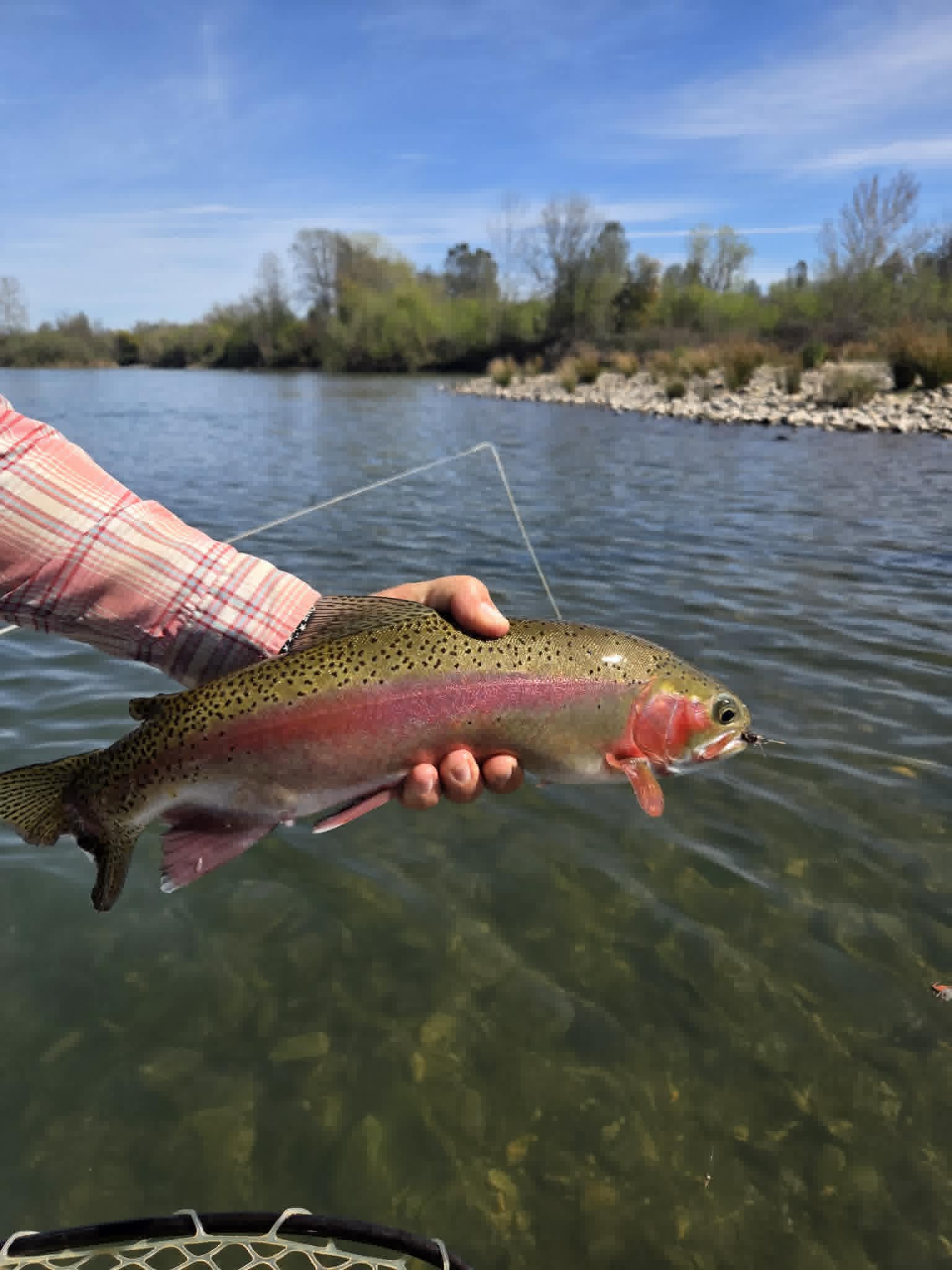
California’s Blue-Ribbon Trout Fishery That You May Not Know About
The following appears in the May issue of California Sportsman:
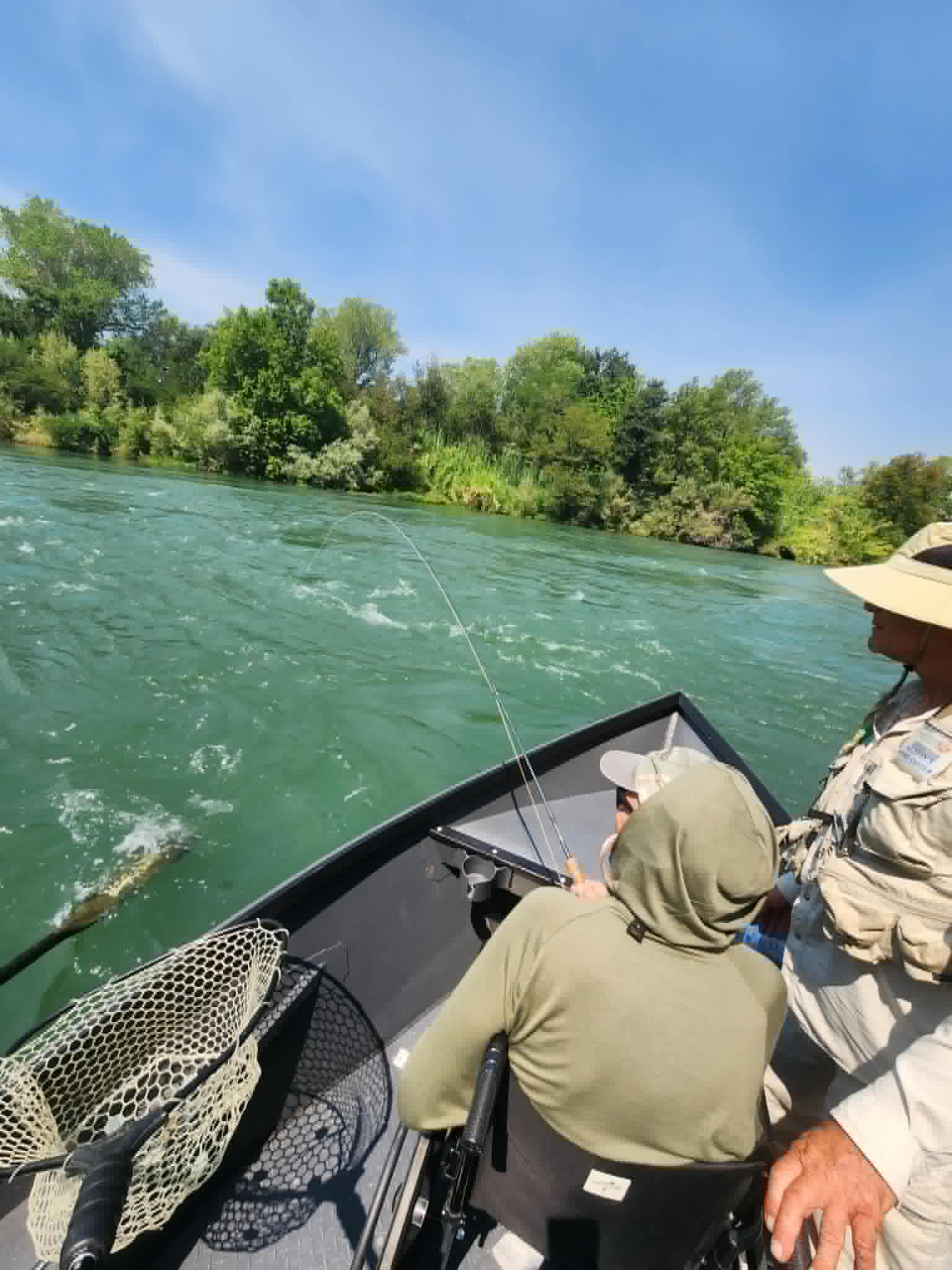
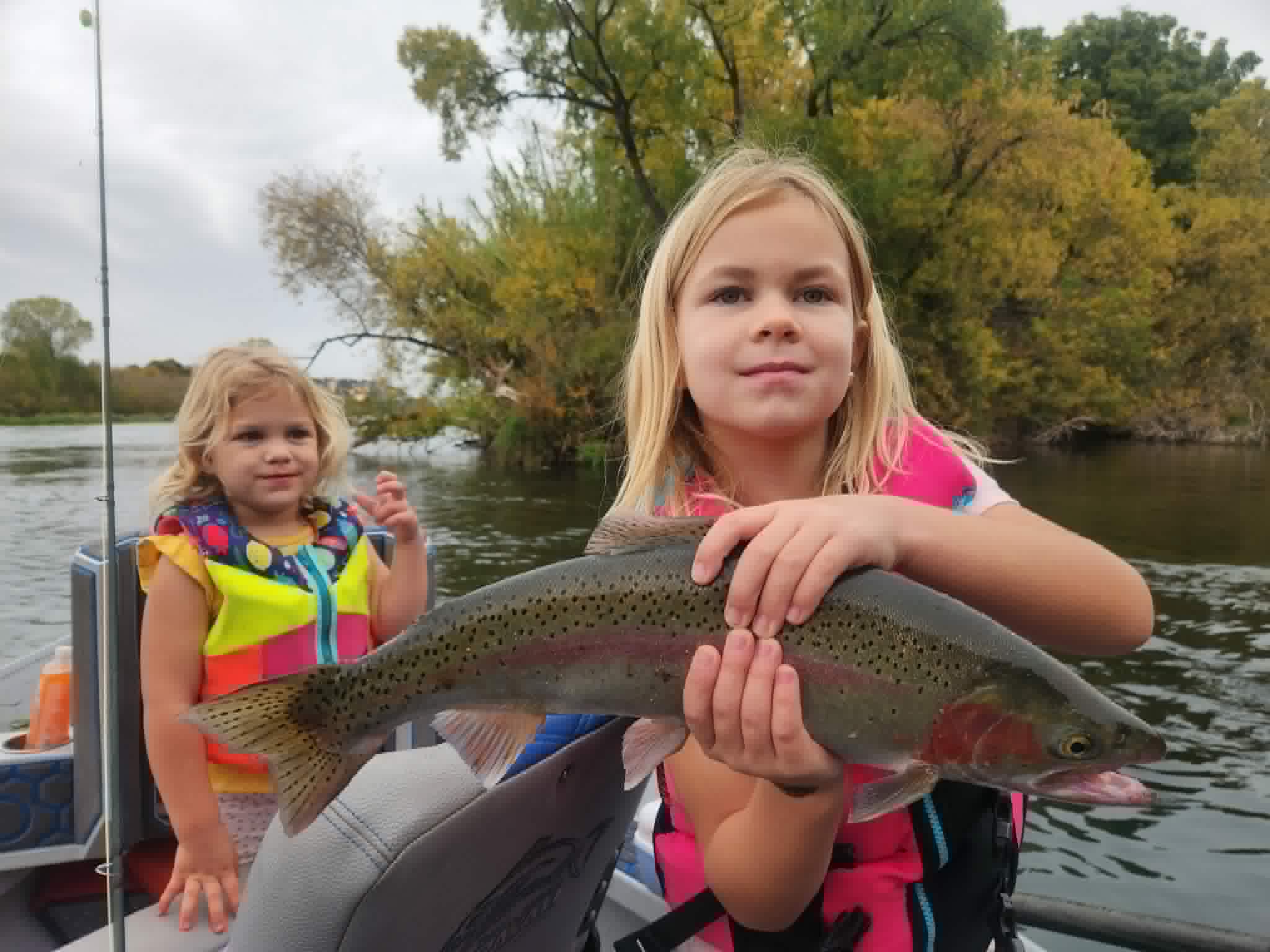
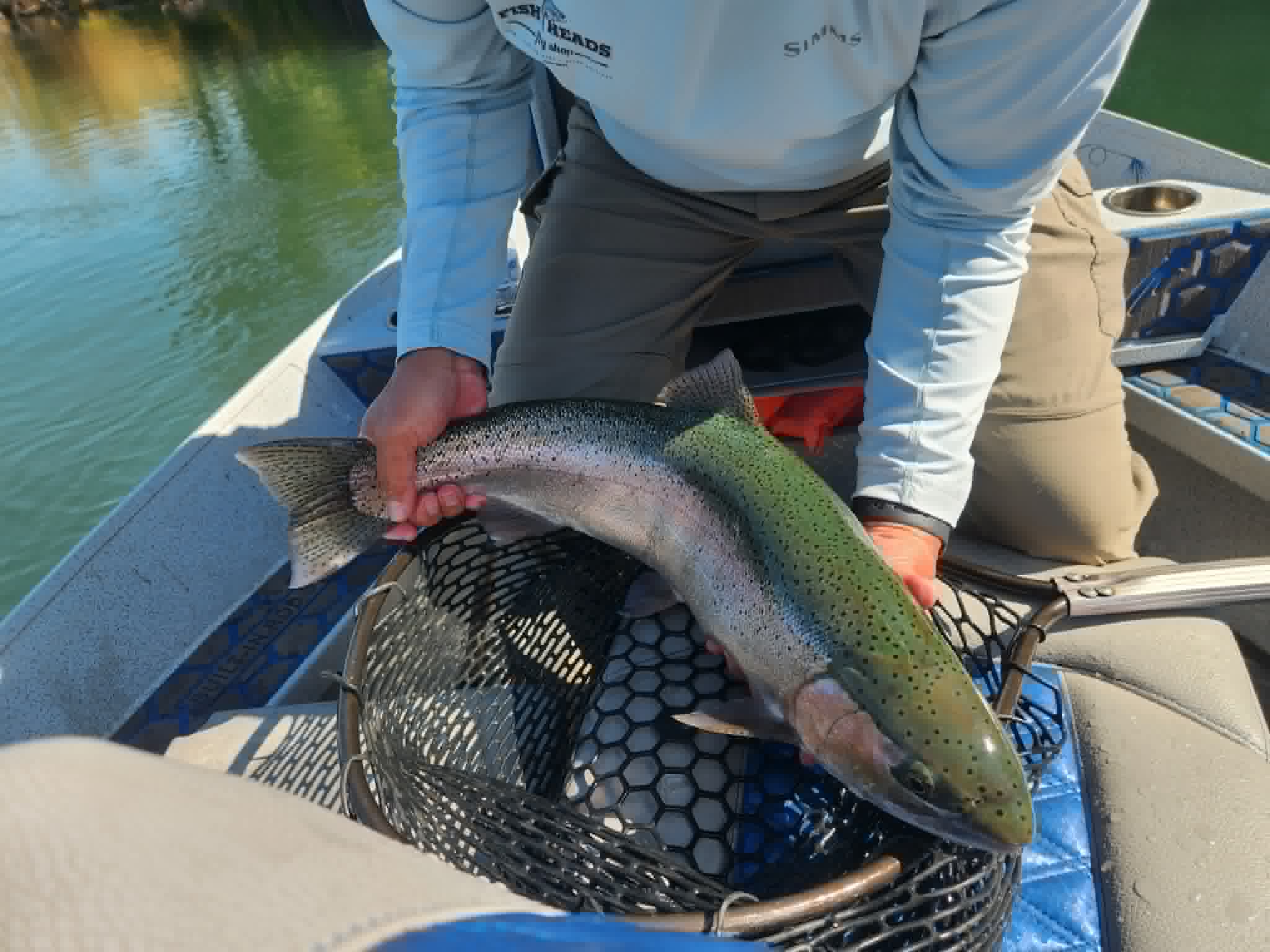
it is also a user-friendly fishery that consistently produces fish for anglers of all skill levels. (JASON THATCHER/RIVER PURSUIT GUIDE SERVICE)
By Cal Kellogg
This might sound like a stretch, especially when you consider the reverence anglers have
for Western trout rivers like the Madison, Yellowstone and Henrys Fork of the Snake. Those rivers have earned their reputations, no doubt.
But if you measure a trout fishery by consistency, accessibility, size of fish and sheer productivity, the Sacramento River from Shasta Dam down to Red Bluff belongs in the same conversation, and in some ways, it surpasses them.
WHAT MAKES THE SACRAMENTO so special begins with water. More specifically, it begins with Shasta Dam. Cold, nutrient-rich water released from the depths of Shasta Lake creates a tailwater environment that remains stable and productive throughout the year. Unlike freestone rivers that fluctuate wildly with snowmelt and weather, the Sacramento flows with remarkable consistency. Temperatures stay within a range that trout can tolerate and thrive in, even during the heat of summer.
That stability fuels an incredible food base. The Sacramento is loaded with aquatic insects – mayflies, caddis, midges, stoneflies – and those bugs are available to trout nearly year-round.
Add in scuds, worms, eggs from spawning salmon and occasional baitfish, and you have a system that produces fast-growing, hard-fighting rainbow trout that often exceed 20 inches and can push well beyond that mark.
It’s a river where numbers and quality intersect, and that’s a rare thing.
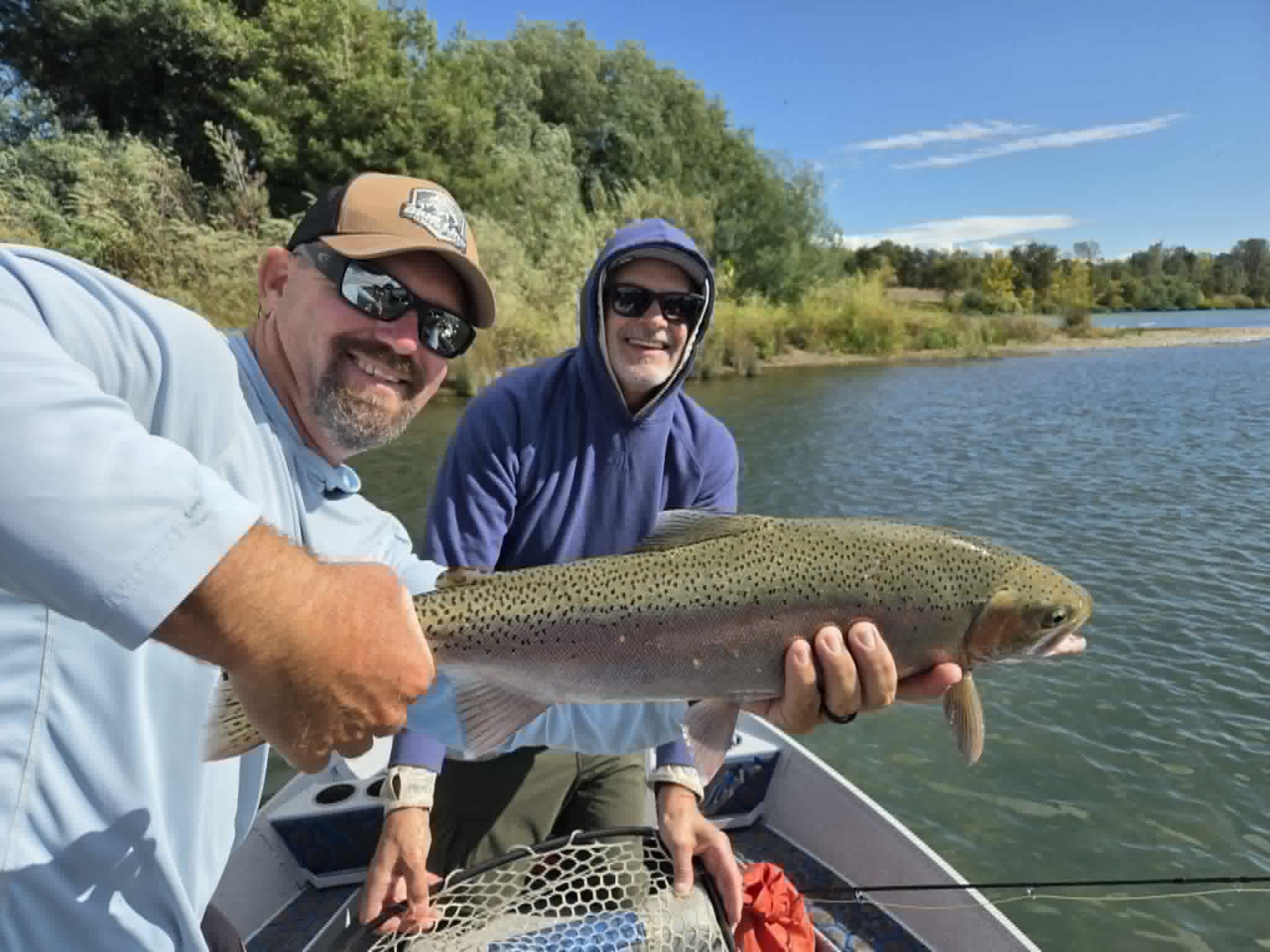
THE STRETCH BETWEEN SHASTA Dam and Red Bluff is the heart of this fishery. It’s a broad, powerful river, but it’s also highly fishable thanks to its defined riffles, runs, seams and gravel bars. Trout spread throughout the system, holding in classic current breaks and feeding lanes, and they are accessible to a variety of techniques.
While the Sacramento is a true year-round fishery, spring and summer are when it really shines.
Spring brings ideal flows, warming water temperatures and a surge in insect activity. This is when the river comes alive. Caddis hatches build, mayflies become more consistent and trout shift into aggressive feeding patterns. It’s a time when fish are spread out, willing to move and often less selective than they will be later in the season.
Summer fishing, despite the heat in the Sacramento Valley, remains excellent thanks to the cold water releases from Shasta. While many rivers in California become marginal or even unfishable during peak summer, the Sacramento continues to produce.
Early mornings and evenings can be outstanding times to be on the river, but even midday fishing can be productive if you focus on deeper runs and faster water where trout find oxygen and cover.
For fly anglers, the Sacramento is a nymphing river first and foremost. While there are opportunities for dry fly fishing, particularly during heavy caddis activity or occasional mayfly hatches, the bread and butter is getting your flies down to where the fish are feeding.
A typical setup involves a two- fly nymph rig under an indicator. Stonefly patterns or egg-imitating beads paired with smaller mayfly or caddis imitations are a proven combination.
Depth control is critical. The Sacramento is a big river, and fish often hold near the bottom in moderate to heavy current. Getting your flies down into that zone – and keeping them there – is the difference between a slow day and a banner outing.
Drift is everything. Long, drag-free drifts through productive water consistently produce fish. Pay attention to seams where a faster current meets slower water, edges of riffles and transitions into deeper runs. Those are the conveyor belts that bring food to trout, and that’s where they set up.
CONVENTIONAL GEAR ANGLERS ARE far from left out on the Sacramento. In fact, some of the most effective techniques mirror fly fishing approaches. Side-drifting or drifting small presentations through current lanes can be deadly. Nightcrawlers, beads or small artificial offerings presented naturally will take fish throughout the system.
Casting lures also has its place, especially in areas where fish are holding tighter to structure or when covering water is the goal. Small spinners, spoons and even lightweight plugs can produce, particularly in low-light conditions or when trout are feeding more aggressively. The key, as with fly fishing, is presentation. The more natural the drift or retrieve, the better your chances.
Boat fishing is the dominant approach on the Sacramento, and for good reason. The river is large, and so being able to cover a lot of water efficiently is a major advantage. Drift boats and rafts allow anglers to move with the current, hitting prime water while maintaining ideal presentation angles with their offerings.

A TYPICAL DAY ON this river involves working a series of productive runs, riffles and seams, making repeated passes through high-percentage water. The ability to adjust position, control drift and stay in the strike zone is what makes boat fishing so effective.
That said, bank anglers have more opportunities than many realize. There are numerous access points along the river, including public areas, bridges and stretches where gravel bars extend into the current.
Wading can be productive in certain areas, but caution is essential; the Sacramento is powerful and flows can change, so knowing your limits and picking your spots carefully is critical.
For shore anglers, targeting inside bends, tailouts and areas where the current slows slightly can produce consistent action. Fishing bait under a float or working spinners through accessible seams can be very effective. Early morning and evening tend to be the best times, especially during warmer months.
One of the most overlooked aspects of the Sacramento is just how forgiving it can be. This is not a technical spring creek where every cast must be perfect. While experienced anglers will certainly catch more fish, the river offers enough opportunity that even those with modest skills can enjoy success.
At the same time, it rewards refinement. Better drifts, better depth control, better reading of water – all translate directly into more fish. It’s a river you can grow with, one that continues to teach even seasoned anglers.
Another factor that sets the Sacramento apart from other river fisheries is its accessibility. You don’t need to hike miles into the backcountry or navigate rugged terrain to find quality trout water. The river runs through a corridor that is easy to reach, yet once you’re on the water, it still feels expansive and wild.
Despite all of this, the Sacramento remains somewhat under the radar compared to the iconic rivers of the West. It doesn’t have the same mystique or postcard reputation, but for those who fish it regularly, that’s part of the appeal. It’s a blue-collar trout river – reliable, productive and unpretentious.
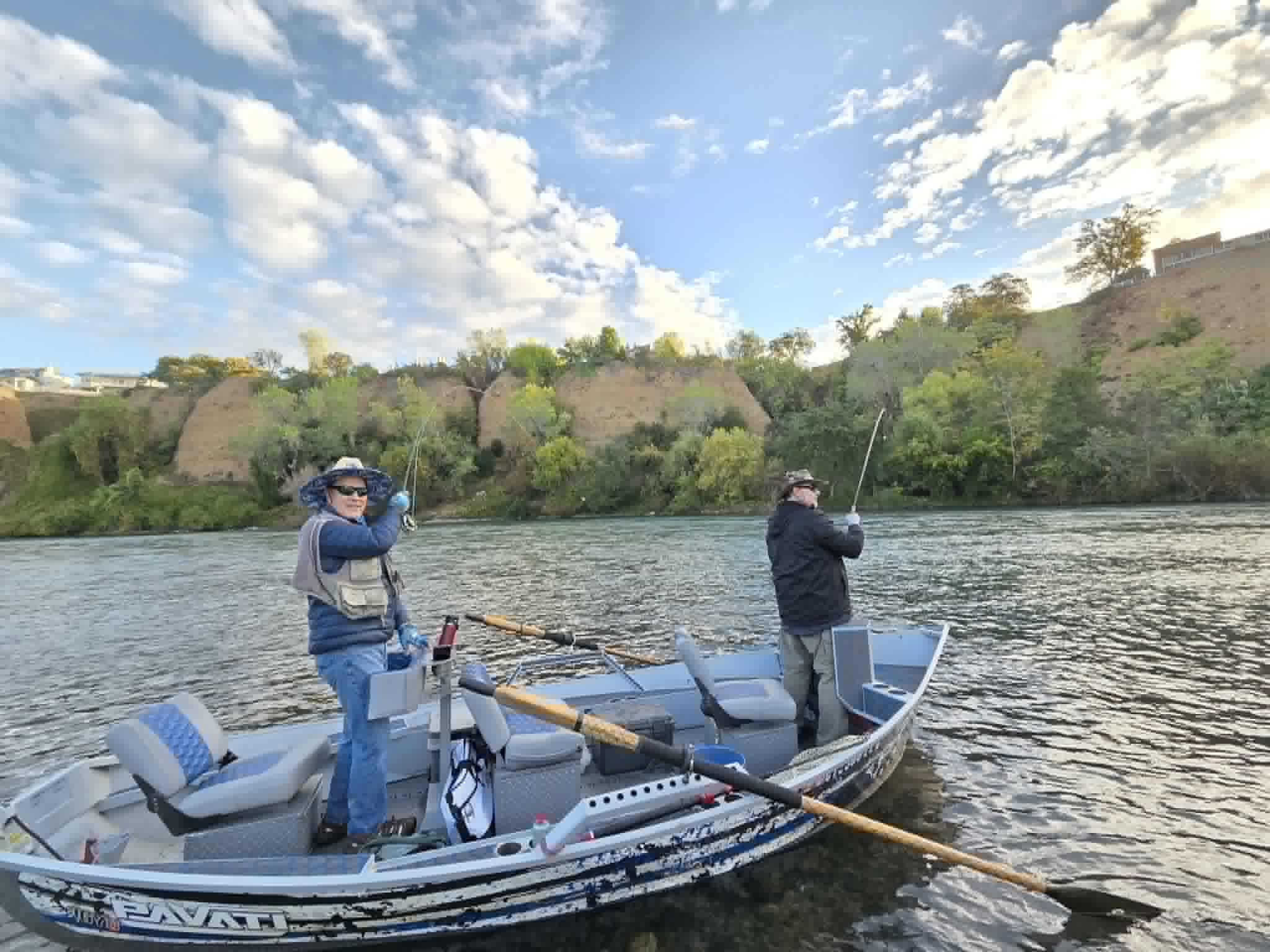
AND THEN THERE ARE the fish – strong, thick-shouldered rainbows that know how to use current to their advantage. They run hard, jump often and fight well above their weight. Hooking into one in heavy current is a reminder of just how alive this river is.
The Sacramento between Shasta Lake and Red Bluff isn’t just good; it’s exceptional. It offers year-round opportunity, peak fishing conditions in spring and summer and a combination of numbers and quality that rivals some of the most celebrated trout waters in the country.
For anglers willing to look past reputation and focus on results, it stands as one of the finest trout fisheries in the West.
And the best part? It’s right here in California – flowing strong, cold and full of fish. CS