Cal Trout On Wildlife Conservation Board Grant To Restore East Fork Scott River Coho
The following is courtesy of California Trout:

Major State Grant Advances Transformational Habitat Restoration for Coho Salmon on the East Fork Scott River
SISKIYOU COUNTY, Calif. — California Trout (CalTrout) has been awarded a grant from the California Wildlife Conservation Board (WCB) to advance restoration of the East Fork Scott River at The Wildlands Conservancy’s Beaver Valley Headwaters Preserve — a critical stronghold for imperiled coho salmon in the Klamath River Basin — while engaging communities including local students and Tribal youth in field-based learning opportunities in the watershed.
The award is part of nearly $60 million approved by WCB for 27 projects across 18 counties to protect biodiversity, restore key wildlife habitats and expand public access to nature. Five of those projects — including the East Fork Scott River restoration — directly advance the California Salmon Strategy for a Hotter, Drier Future by restoring floodplains, increasing stream complexity, and improving spawning and rearing habitat for coho salmon, Chinook salmon, and steelhead.
The funding also supports California’s 30×30 initiative — the statewide commitment to conserve 30 percent of lands and coastal waters by 2030 to protect biodiversity, expand equitable access to nature and build climate resilience.
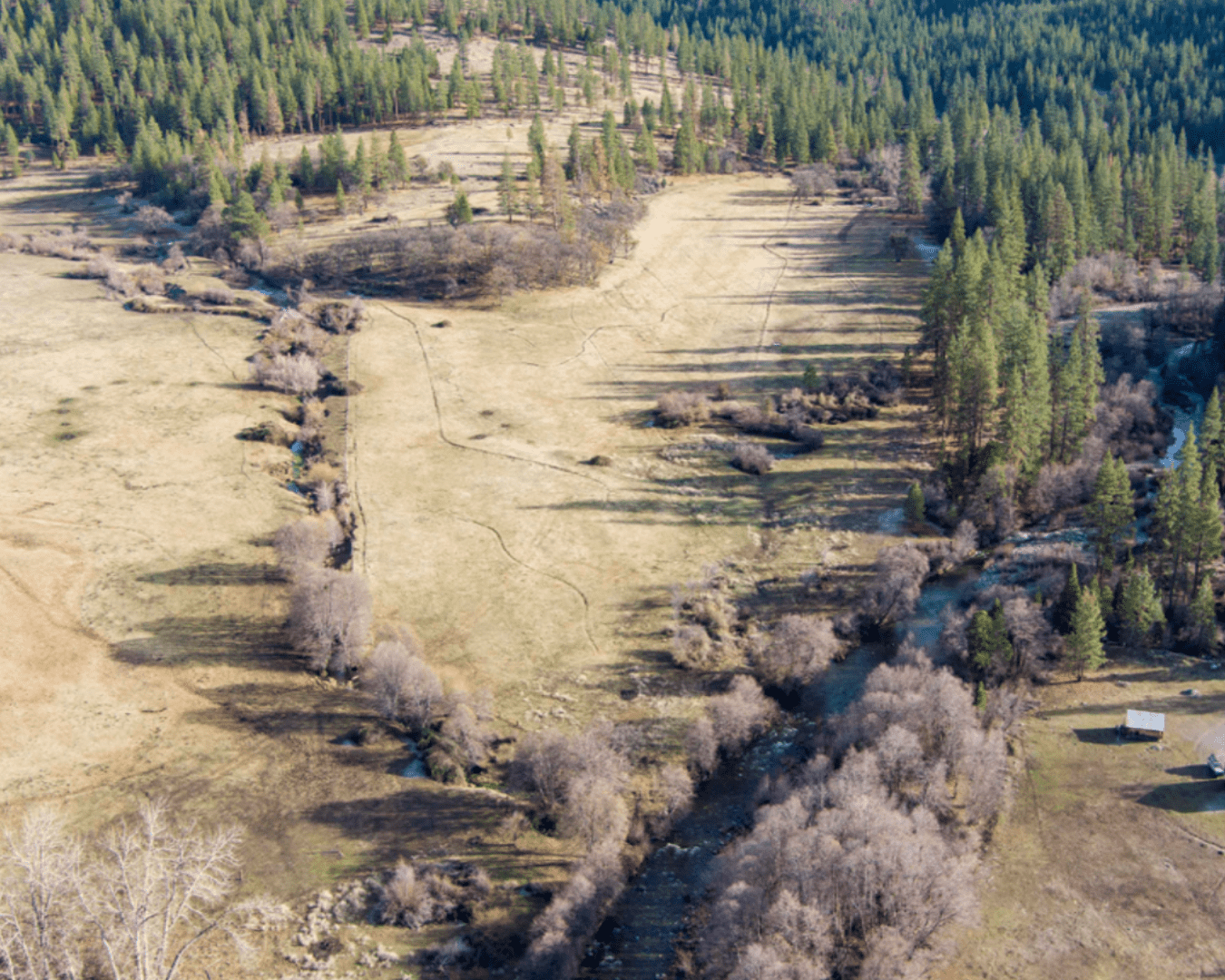
The East Fork Scott River is a key tributary of the recently undammed Klamath River and an essential refuge for coho salmon facing increasing climate pressures. By reconnecting floodplains, restoring channel complexity, and improving water quality, this project will enhance spawning habitat for adult salmon and rearing habitat where young salmon can grow strong before migrating to the ocean.
The grant will also support community education and outreach in partnership with Quartz Valley Indian Reservation, the Karuk Tribe, and the Siskiyou County Office of Education, creating field-based learning opportunities for local students and Tribal youth as early as late summer or fall 2026. Field trips will serve over 250 students from grades 4-8 annually, as well as dozens of community members. Youth will be involved in various restoration components to provide them with direct experience with career pathway opportunities. The headwaters of the Scott River are almost entirely privately owned; access to the Preserve through this WCB funding award represents the largest opportunity for the local community to access and experience this area of the headwaters.
“We are thrilled by WCB’s investment in this project, which marks a major milestone for one of Siskiyou County’s most important salmon recovery efforts,” said Damon Goodman, CalTrout Mt. Shasta/Klamath Regional Director. “Thanks to groundwork laid by our partner The Wildlands Conservancy to acquire this property, restoration of this site is possible. When done thoughtfully and collaboratively, restoration benefits everyone – both fish and people — and we are excited to engage the community in this project, providing the first opportunity for local access to this part of the headwaters.”
The project is led by CalTrout in partnership with The Wildlands Conservancy, the Karuk Tribe, numerous local partners, state and federal agencies, and Tribes, and the project builds on WCB’s prior investment to fund the acquisition of the Beaver Valley Headwaters Preserve by The Wildlands Conservancy.
“Restoration and rewilding, together with free education and public access, are central to our mission,” said Emily Afriat, regional director for The Wildlands Conservancy’s North Coast preserves. “This investment strengthens the ecological heart of Beaver Valley Headwaters Preserve and gives local youth the chance to experience firsthand the watershed that sustains salmon and the communities in the region. We’re proud to partner with CalTrout, Tribal communities, and state leaders to restore these habitats for future generations.”
“This project is the type of restoration we need more of in the Klamath — work that restores function to the river, supports salmon at a critical stage of their life cycle, and connects people with a very important place,” said Toz Soto of the Karuk Tribe. “Investing in the East Fork Scott River is an investment in ecological resilience, Tribal stewardship, and the future of coho salmon.”
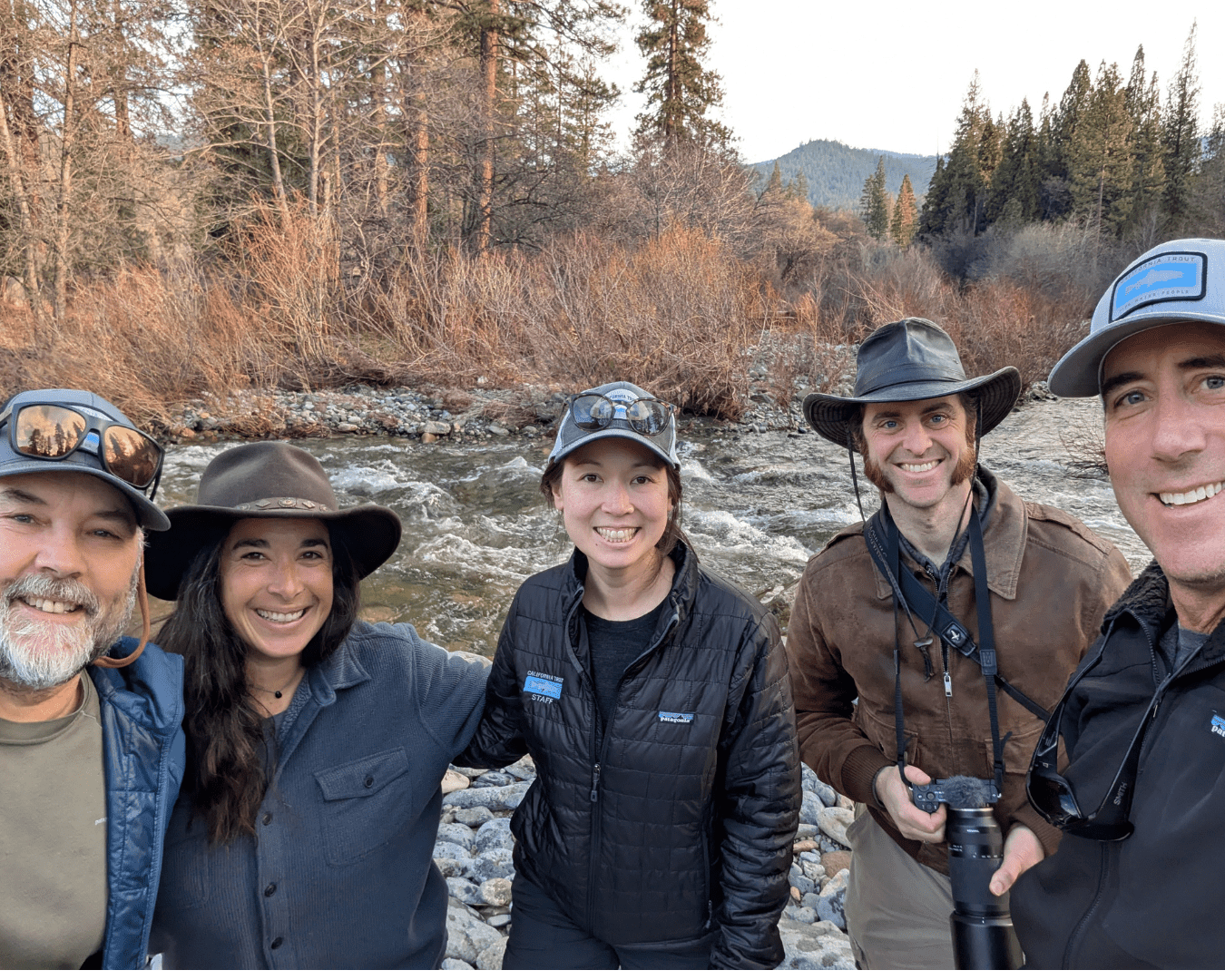
“Beaver Valley Headwaters Preserve incorporates multiple cold-water tributaries in one corridor,” said Eli Scott, senior environmental scientist for NCRWQCB. “This project is a huge opportunity to build habitat for coho salmon and give them a foothold.”
The WCB grant funds restoration within the preserve’s core aquatic corridor, including approximately one-third of a mile where two diverse tributaries converge. Project elements include construction of side channels and alcoves, installation of large wood structures, reconnection of historic floodplains, and improvements to water quality — all designed to create high-quality rearing habitat for juvenile coho salmon and spawning habitat for adult salmonids.
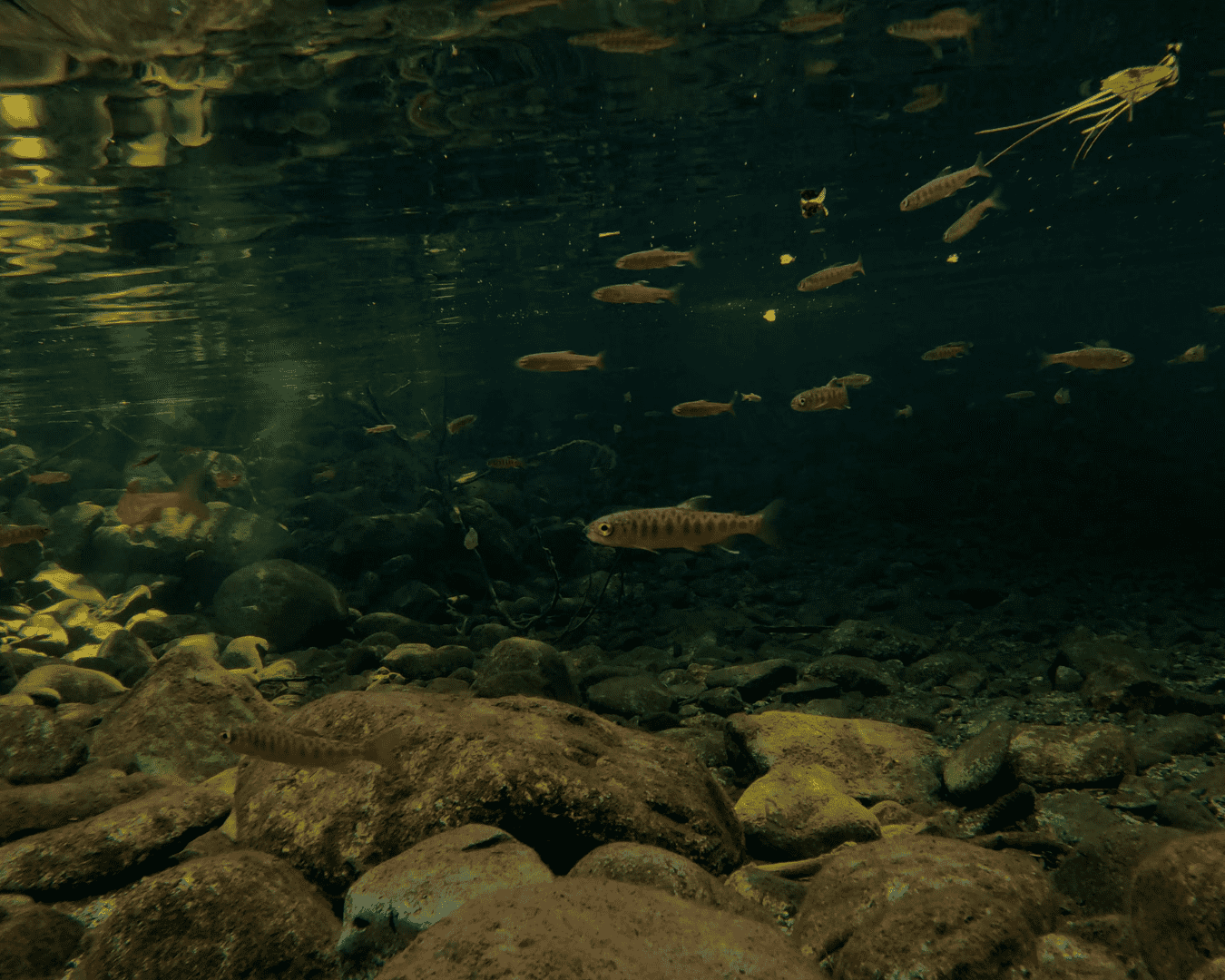
With design complete and permits submitted, the project is poised to move into implementation. The WCB grant complements additional investment in the watershed, including $1 million from Caltrans to restore habitat at a nearby tributary confluence connected to the WCB-funded reach. That project is scheduled to break ground this summer. Restoration within the WCB-funded reach is anticipated to begin in summer 2027.
“Today’s award is a crucial step forward,” said CalTrout’s Goodman. “This project is the centerpiece of the restoration vision for the Beaver Valley Headwaters Preserve. With design complete and permits submitted, we’re ready to implement and make that vision a reality. While this is a major milestone, additional investment is still needed to fully realize the Preserve’s restoration potential and improve our ability to share this beautiful place with our community.”
While this award covers the core geography of the project and most of the in-depth design within the central reach, additional funding is still needed to implement restoration across other areas of the preserve and expand long-term stewardship and outreach efforts.
Learn more about the effort to restore the East Fork Scott River here: https://caltrout.org/projects/east-fork-scott-river-restoration/