An Angler’s Bass Lures That Top The ‘Pop’ Charts
The following appears in the August issue of California Sportsman:
By Tim E. Hovey
Over my fishing career, I have thrown just about every lure imaginable to catch largemouth bass. From small spinners to chatterbaits, plastic finesse worms to – my favorite – crankbaits, if we’re targeting bass during a fishing trip, a variety of these lures will be tied onto our rods ready to throw.
Last year, purely on a whim, I grabbed a floating popper out of my tackle box and tied it on. We were fishing in some calm water and I noticed bass breaking the surface around us. Looking for something that would float on the surface, I found the light lure in the corner of one of my tackle boxes. Of all the types of bass lures I’ve used over my lifetime, I’ve had the least amount of experience with poppers.
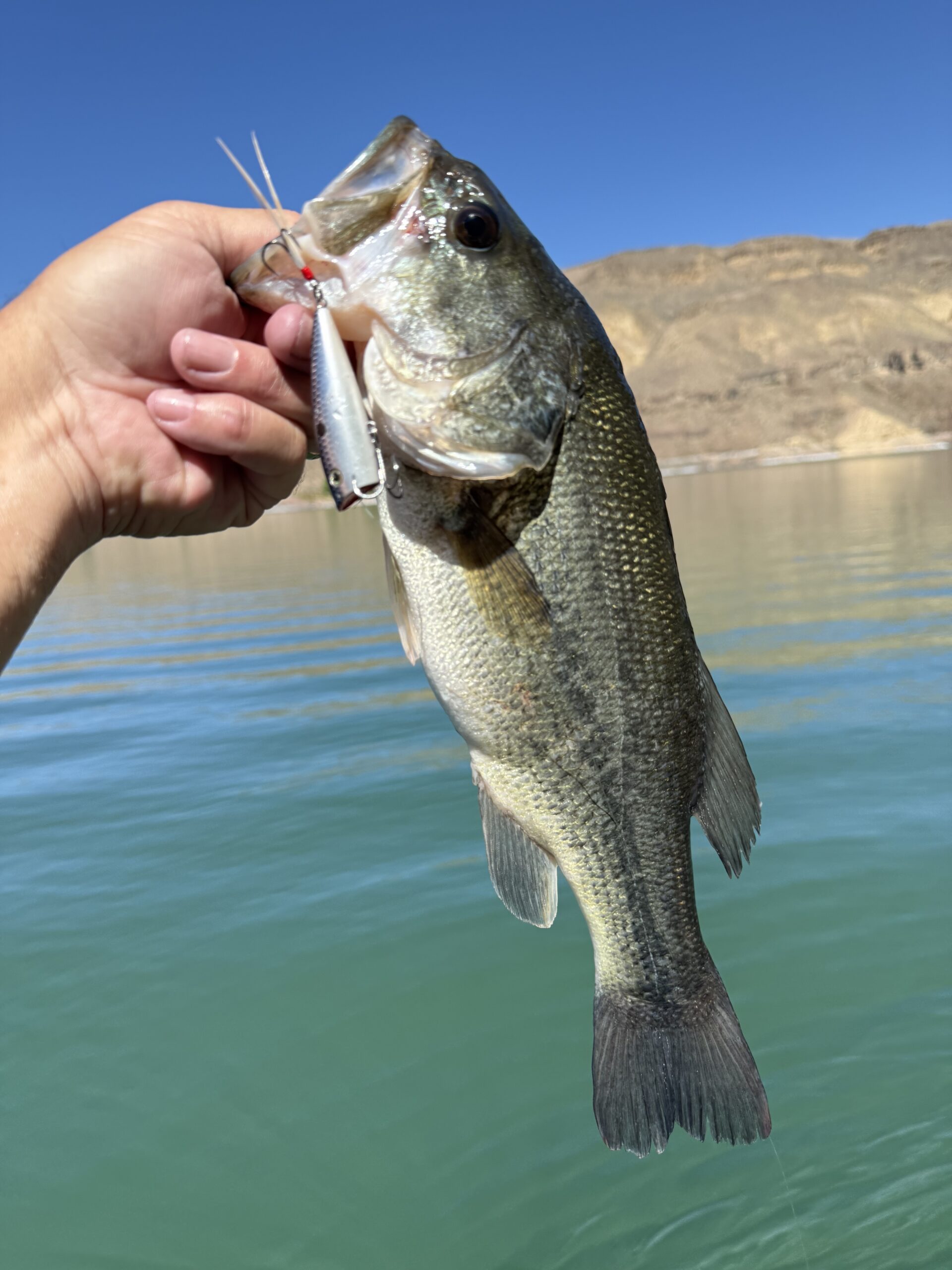
On the first cast the lure landed a foot from shore and was instantly inhaled. I set the hook on a feisty 1-pounder and easily brought him to the boat. Over the next hour, I caught another six bass ranging from half a pound to 2 pounds. I varied the retrieve, and paused between pops. I found that many of the explosive hits came while the lure sat stationery. As I honed my popper fishing, I became convinced that larger bass would fall for the popper as well.
That evening, I looked through my tackle and realized that the only popper I had was the one I’d been fishing with. I looked at the floating shad imitation and remembered I had found the lure a few years back; it was floating at the shore and tangled in weeds. The next day, a quick trip to the tackle shop boosted my popper assortment and honestly, I couldn’t wait to get back to the lake to do some summer popping.
IN MID-JUNE, MY WIFE Cheryl and I headed to the lake. I had spent the off week reading all I could about using poppers for bass. I knew how to fish the lure, but I wanted to zero in on seasonal use and ideal water conditions. As I suspected, several sites confirmed that the magic popper is best used during low-light conditions on calm, glass water. The lure seemed to be an ideal choice from spring through fall.
On the drive out, I told Cheryl about fishing with the popper. When we go fishing, Cheryl just wants to catch fish. It’s almost always quantity over quality. However, once she heard how I was going to dedicate a large portion of the day to fishing poppers, she wanted in on the action. I agreed to set up a rod for her once we launched. Little did I know that I had just created a popper-fishing monster.
At the lake we made a long run to a spot where Cheryl wanted to fish. Within a few minutes, we were casting poppers near the shore. I explained a little on how to work the lure to Cheryl. We’d cast to good-looking areas, let the lure sit for several seconds and then work it back to the boat in short jerks. I told her,
“You want to make the lure move in a jerking action, where the water makes a popping sound with every lure movement.” As she always does, she picked up the technique quickly.
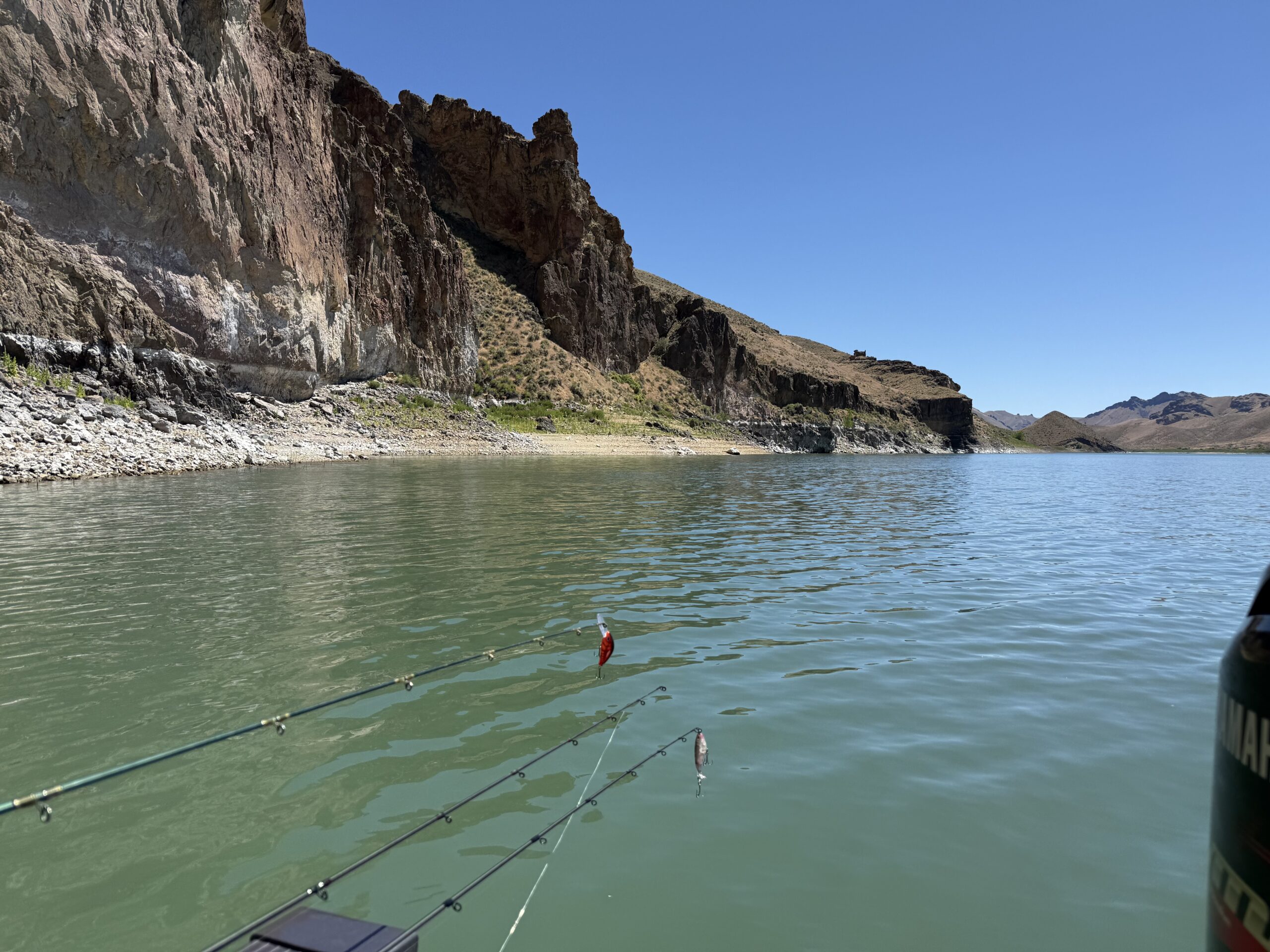
We began catching smaller bass on the poppers and were having a good time. We moved to a small cove swarming with nesting swallows. The birds had built their characteristic mud nests 30 feet above the water, where they were dive-bombing the sky above us. Cheryl was casting to a small point when I told her to make a cast directly under the nests.
Knowing that largemouth bass are ambush predators, I figured they were probably stacked up under the cliff waiting for chicks to fall out of the nests.
She reeled in and tossed the magic popper under the nests. The lure splashed in the calm water and was instantly inhaled by a fish. Cheryl set the hook and the largemouth came jumping out of the water. The 3-pounder dragged her around the boat until I was finally able to net it. The fish had the lure crosswise in its huge mouth. We took a few photos and let the prize go.
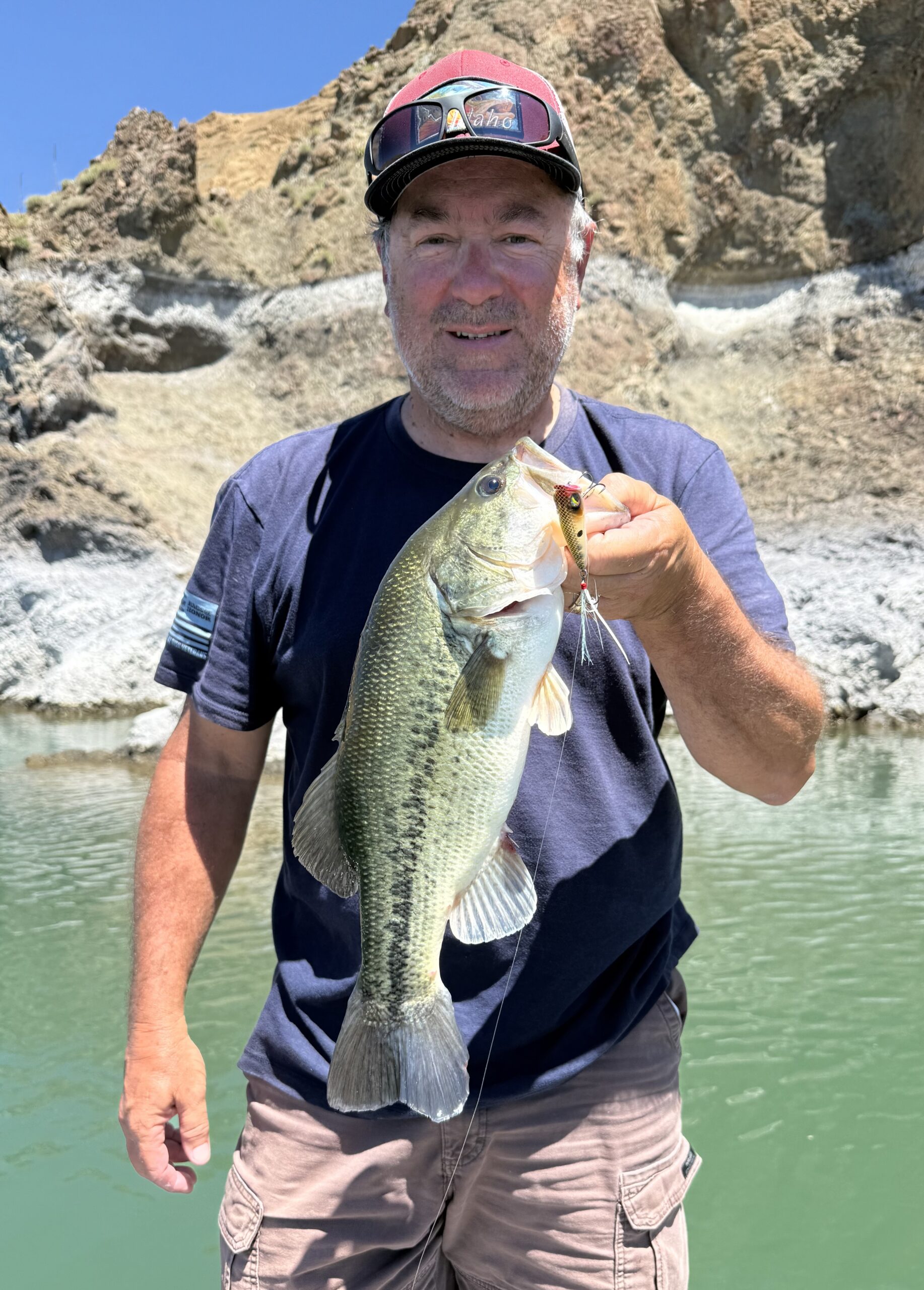
the author rallied late with this big bass of the day. (TIM E. HOVEY)
OVER THE NEXT FEW hours, Cheryl outfished me five to one using the popper. And all of her fish were in the 3-pound range. I had caught a few, but nothing over 10 inches in length. She felt bad and offered to give me the popper she was using. I told her I didn’t care and we kept fishing.
We ended up catching fish on popper lures all day long. At the last spot of the day, I made a cast behind a boulder in only 3 inches of water.
The popper sat there for a few seconds and then disappeared in a swirl. I set the hook and felt solid pressure. For a second I thought I was snagged; then the fish left the water. After a short battle, Cheryl scooped the net and brought the largest fish of the day aboard. Without a doubt, it was our best big fish day on the boat.
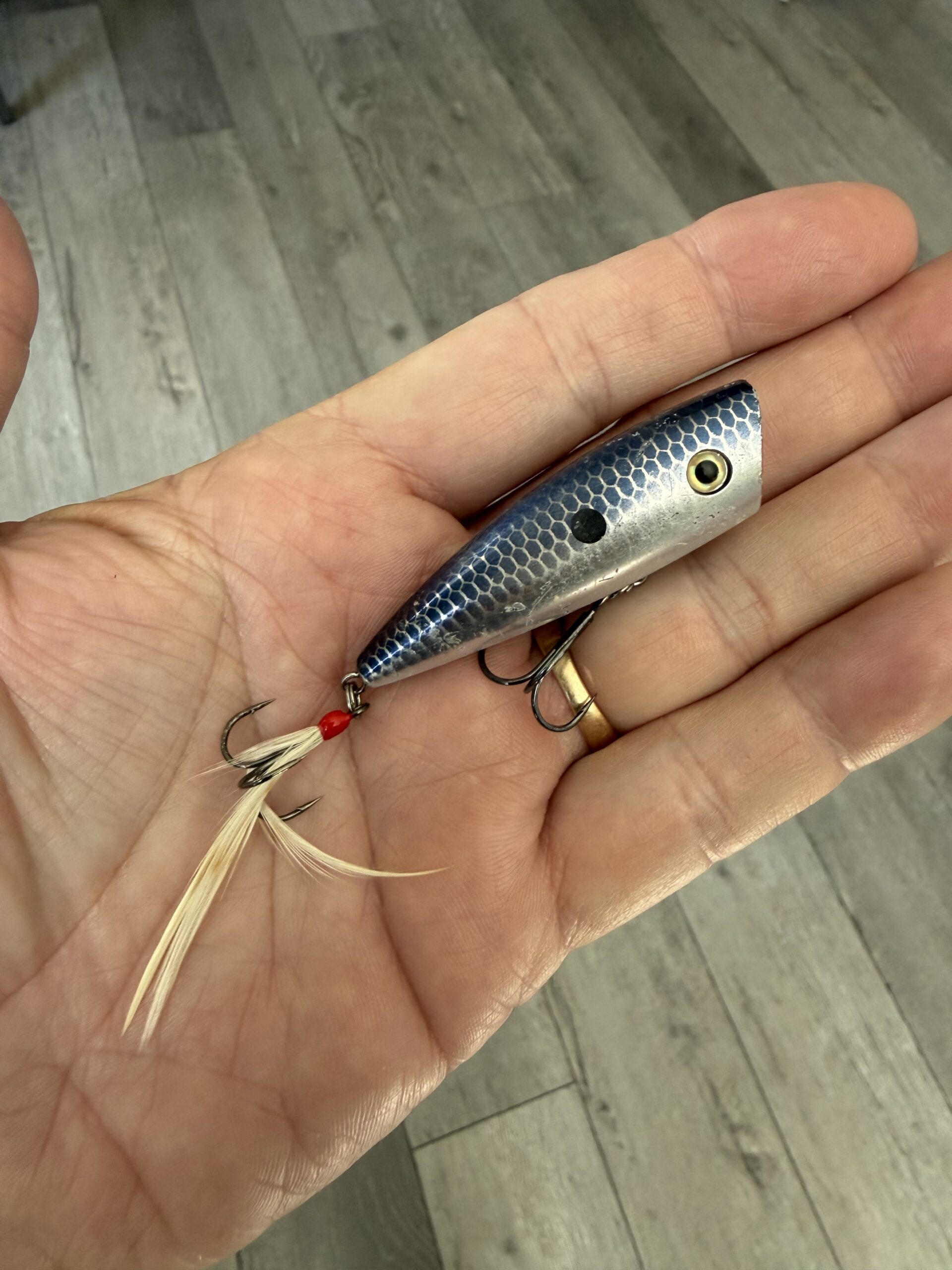
Cheryl was using the popper I’d found, which turned out to be a KVD Splash Jr. in the smokey chrome blue pattern. Now that I know the type and brand of this topwater lure, I’ll be picking up a few more. It was definitely the top lure of the day.

surface lure is very exciting,” Hovey writes. “Whenever we’re out on the lake, a couple of boat rods will always have poppers tied on.” (TIM E. HOVEY)
As for me, I used XPS Chaos Shad in several different colors, with my favorite being ghost shad. Working the lure was pretty simple. I’d cast in spots where I thought bass might be lurking and let the lure just sit for about 15 to 20 seconds. Cheryl and I both caught fish while the lure sat motionless immediately after the cast. I would then twitch it a couple of times, making sure to work it aggressively enough to produce the popping sound. I’d repeat this retrieval cadence all the way back to the boat.
Any type of fishing that gets bass to react aggressively and smash a surface lure is very exciting. Over the last month, it’s been our favorite way to target largemouth. We have noticed that glassy water conditions are best when choosing to twitch a popper. When it’s choppy, the lure doesn’t stand out enough on the surface to really trigger bass.
That doesn’t really matter to us. Whenever we’re out on the lake, a couple of boat rods will always have poppers tied on. CS