How To Break The Bank: Fall Trout Shore Fishing Tips
The following appears in the October issue of California Sportsman:

By Cal Kellogg
When the days grow shorter and a cool breeze sweeps across the high country,
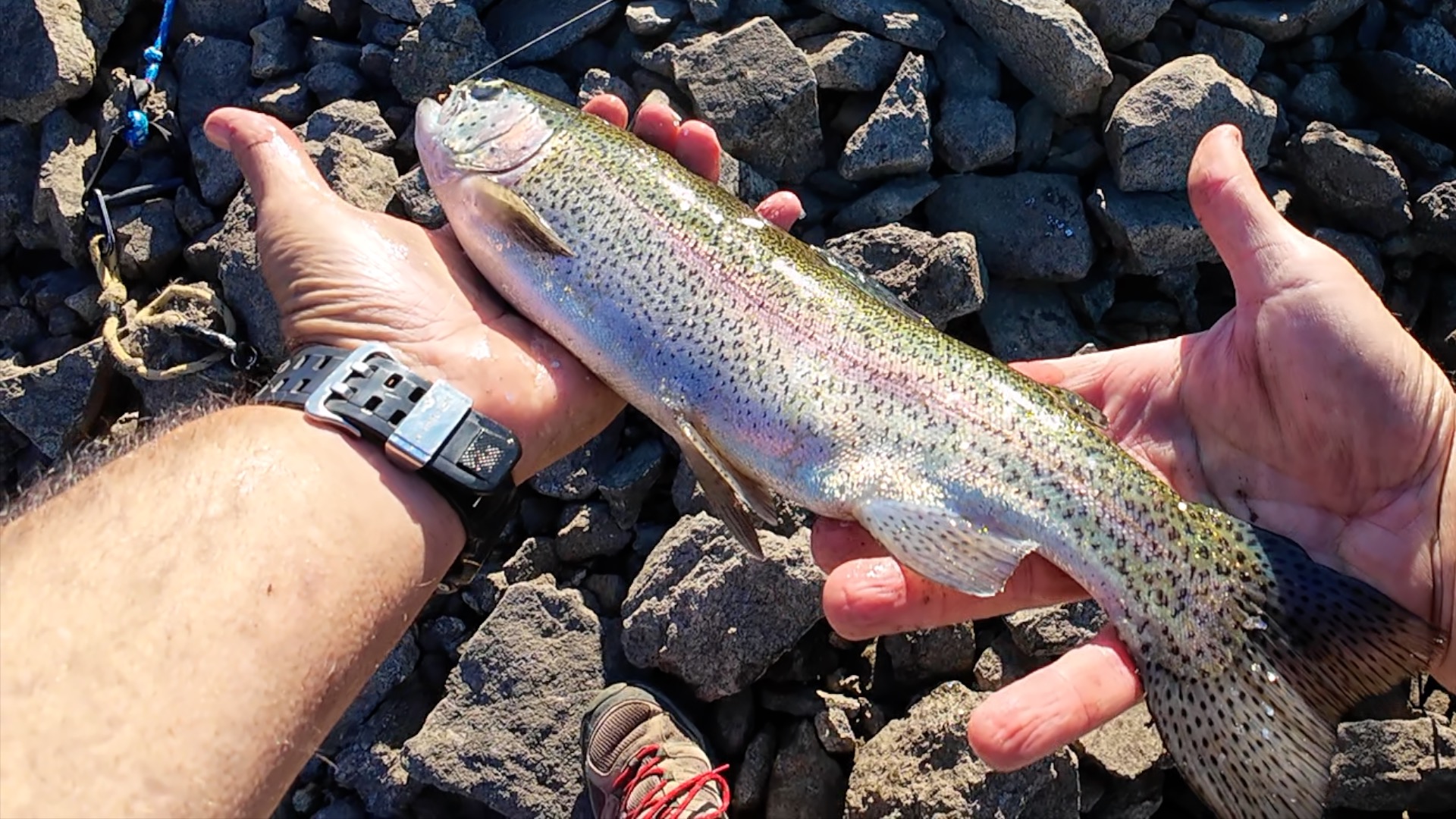
California trout anglers know exactly what that means: fall trout season is here. It’s the time when lakes begin to cool, trout leave their deep-water summer haunts and once again cruise the shoreline within easy reach of bank fishermen. For anglers with boots on the ground and rods in hand, autumn is a window of opportunity that can produce the biggest and best fish of the year.
FALL ADVANTAGES
Trout thrive in cool water, and once surface temperatures dip back into their comfort zone, they move into shallow water to hunt. Rainbows seek out baitfish and insects along the banks. Browns turn predatory, keying on crayfish, smaller fish and other targets of opportunity.
Brook trout, where present, often display their brightest colors of the year and prepare for the fall spawn. All this activity plays into the hands of bank anglers, who suddenly find themselves on even ground with boaters.
The Sierra lakes themselves add to the charm. By October, the summer crowds are gone. Campgrounds quiet down, parking lots empty and the shorelines feel more like wilderness. With leaves turning gold and red against the evergreens, the stage is set for a fishing experience that’s equal parts solitude and excitement.
GEARING UP FOR BANK SUCCESS
Bank fishing might seem simple, but fall trout often demand a careful setup. A 7-foot, medium-light spinning rod is a versatile choice that’s long enough for reaching deeper water when necessary, but also still sensitive for detecting light bites. Pair it with a quality reel that has a smooth drag and capacity for at least 150 yards of 6-pound line. While the average trout won’t test that much line, the fish of a lifetime might, and fall is exactly when such fish are caught.
Leaders are critical, especially in clear Sierra water. Fluorocarbon in 6-pound test is the standard, though having an 8-pound spool handy can pay off if browns or particularly large rainbows are prowling in the vicinity. Fluorocarbon’s near invisibility underwater gives you an edge when trout are cautious.
A RIG THAT WORKS
The bread-and-butter setup for bank anglers remains the sliding-sinker rig. Its beauty lies in simplicity: Thread your mainline through a sinker, add a bead to protect the knot, tie on a swivel, then finish with 18 to 36 inches of fluorocarbon leader and a sharp hook. The sliding weight allows a trout to take the bait and move without feeling resistance.
Your sinker choice makes a difference. Egg sinkers are common, but I prefer tapered bullet sinkers, borrowed from the bass angler’s playbook. They snag less often and create less drag when a trout moves off with the bait. A selection of weights from 1/8 to 3?4 ounce ensures you’re prepared for calm coves or breezy points.
Hooks should be small but strong – think sizes 8, 10 or 12. Super sharpness is essential. Premium brands like Gamakatsu or Owner are excellent, though Eagle Claw’s Lazer Sharp line offers solid performance at a lower cost.
SMART BAITS
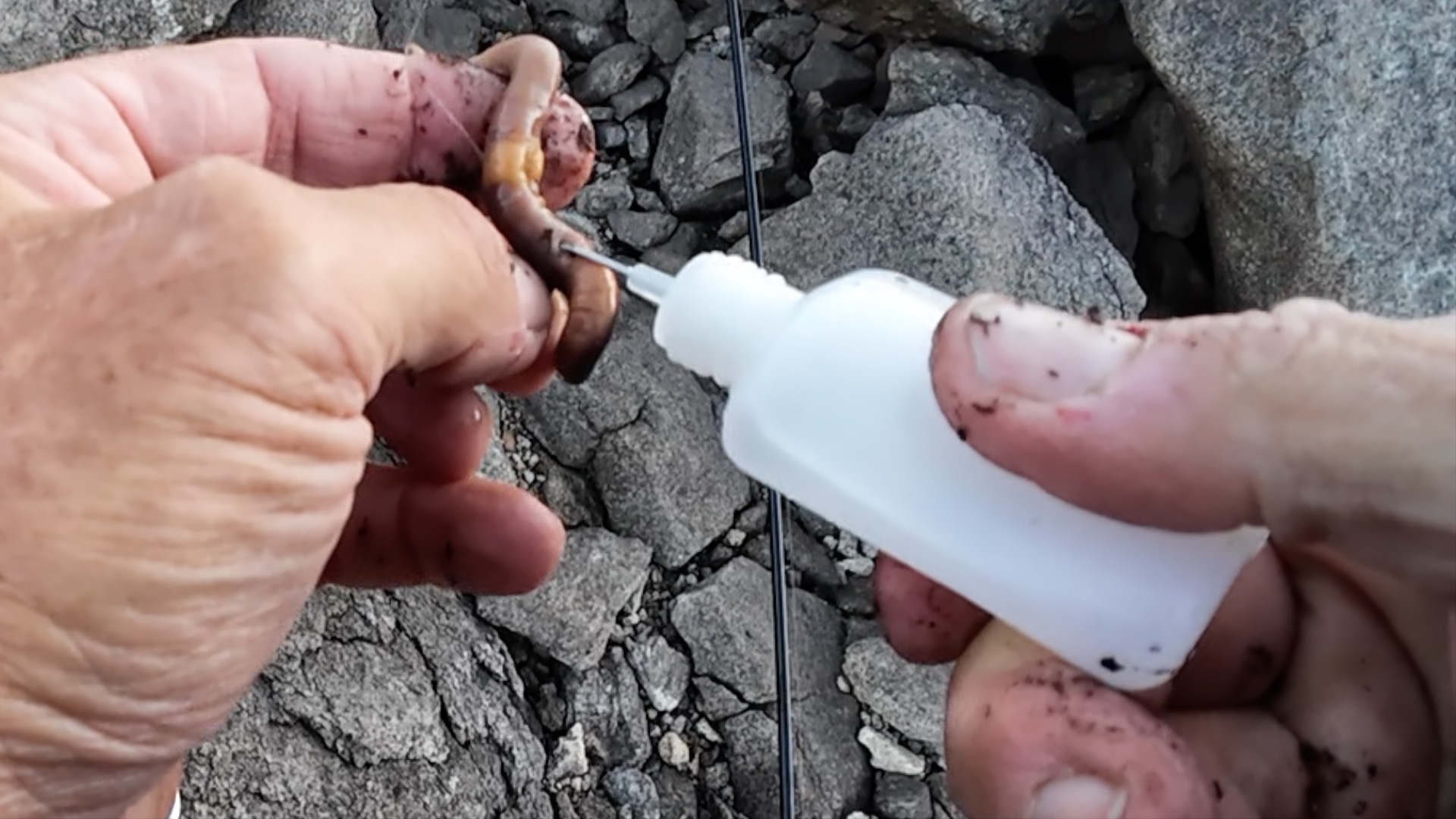
Fall trout are opportunistic, and the most effective baits are those that float off the bottom, right in their line of sight. Nightcrawlers remain a classic. A ’crawler, whole or cut in half, injected with a puff of air to keep it buoyant is deadly. Worms appeal to both stocked trout and wild fish, offering natural scent, taste and movement.
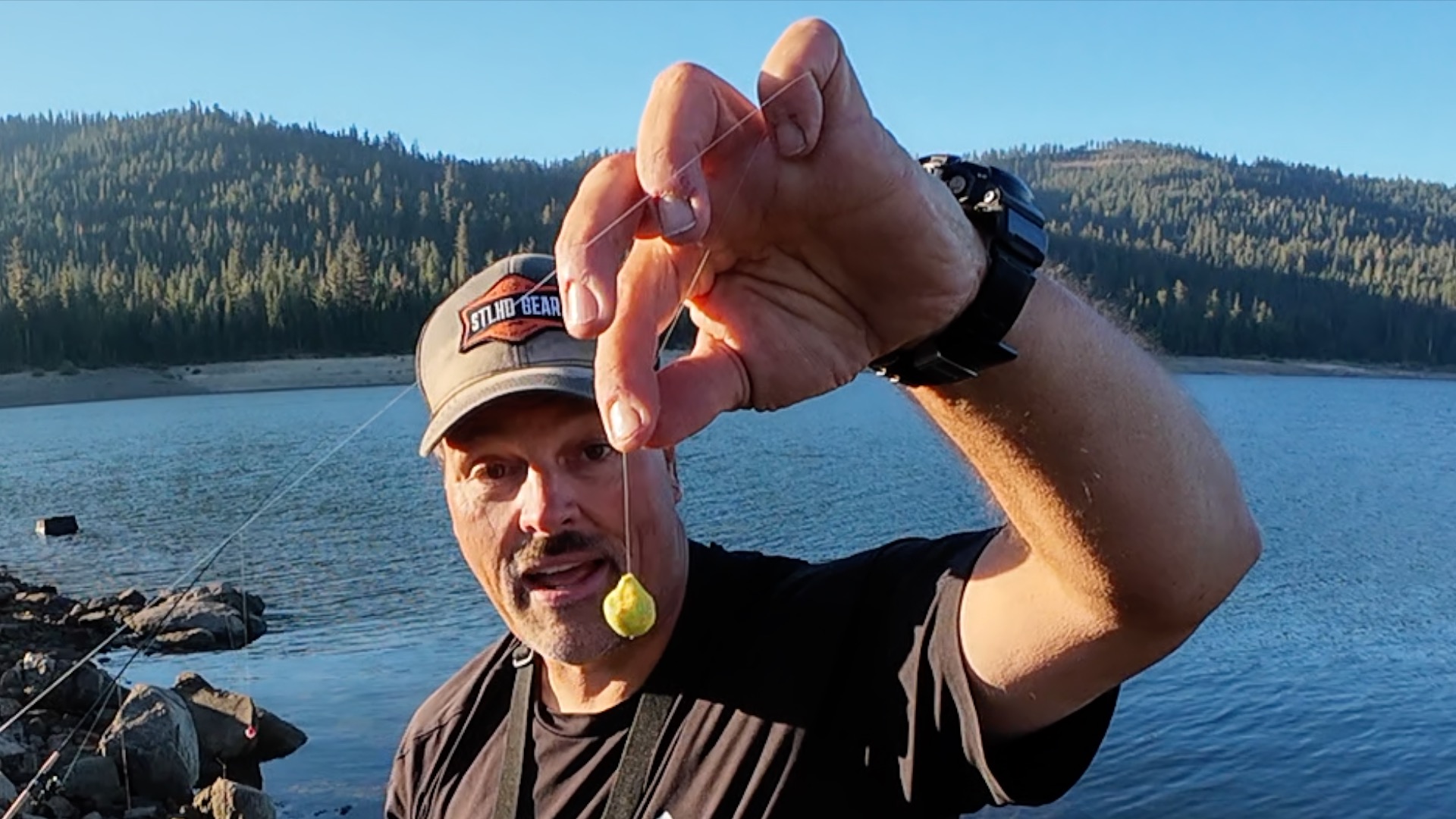
PowerBait and other floating dough baits revolutionized bank fishing years ago and remain indispensable. Keep it simple with proven colors: rainbow for stained water, yellow for clear conditions. A ball a little bigger than a pea is best, allowing trout to inhale it quickly.
Salmon eggs, marshmallows paired with worms and even small pieces of cheese can also tempt fish, especially holdover rainbows accustomed to hatchery scents. The key is experimentation; some days the bite will come on worms, others on dough baits.
LOCATION, LOCATION, LOCATION
Not all of a lake’s shoreline is created equal. Fall trout gravitate to certain features, and knowing where to fish can make the difference between a skunk and a stringer.
Points are prime, especially those that extend into deeper water. Trout cruise along them looking for food. Creek mouths are another hot spot, particularly after an early storm sends fresh, cold water into the lake. Browns and rainbows often stack up at these inflows. Shaded coves with shallow flats are also productive, especially during the low-light hours of dawn and dusk.
Many anglers cast too far. In fall, the majority of feeding fish are within 40 feet of shore. Watch the water; if you see surface dimples, boils or baitfish flickering, chances are the trout are already right in front of you.
STRATEGY, PRESENTATION
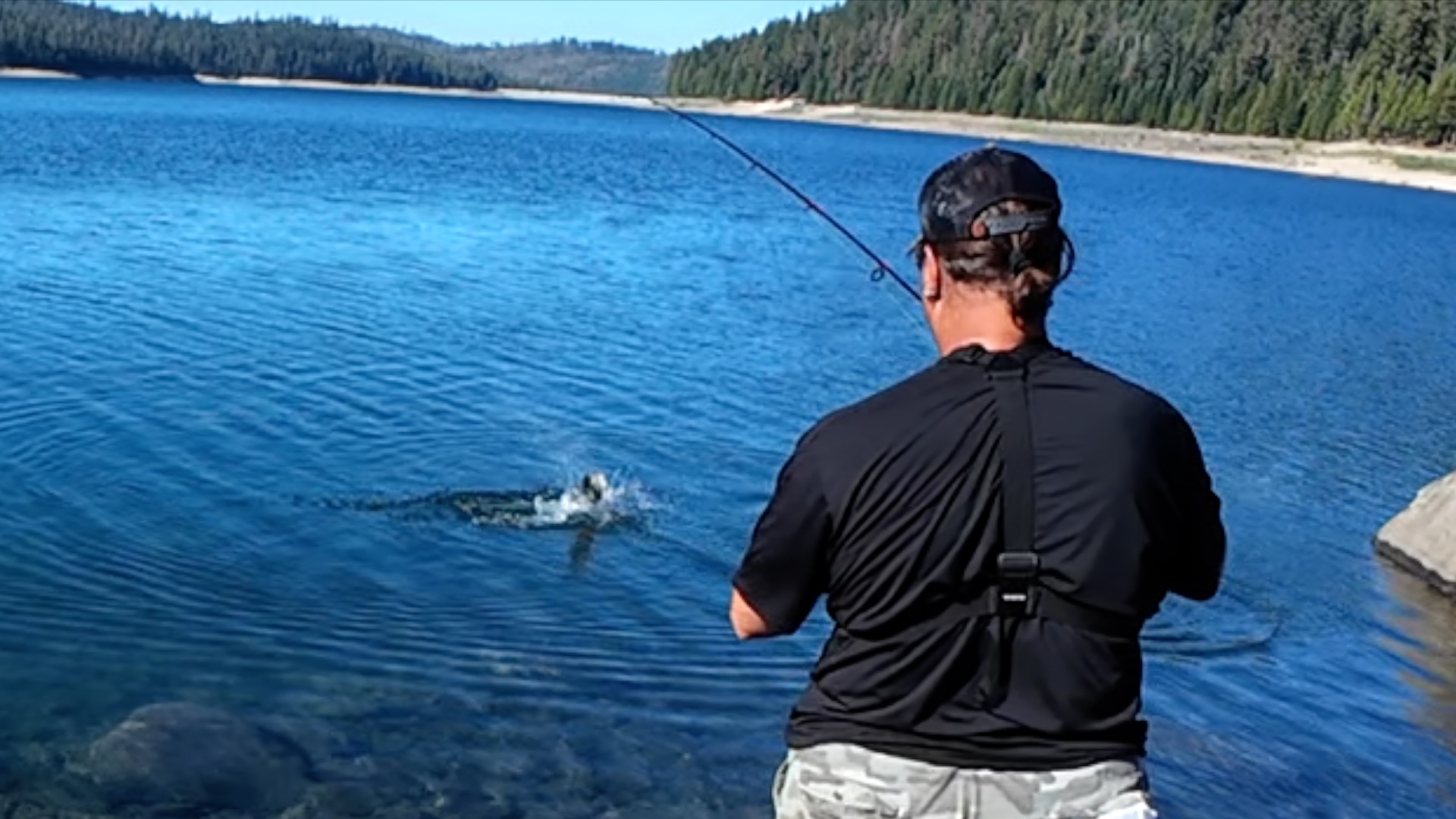
Presentation is everything. Once you’ve cast out, place the rod in a holder and leave some slack in the line. Trout are notorious for spitting out baits if they feel resistance. One simple trick is to clip a small bobber to the line between the rod tip and the second guide. With enough slack, the bobber hangs low. When a trout takes the bait, it slowly rises, signaling the perfect moment to set the hook.
Patience is part of the game. Some days the bite is immediate; other days you’ll wait for an hour before a rod doubles over. Stay mobile, try different baits and move along the shoreline until you connect with fish.
FAN CASTING FROM THE BANK
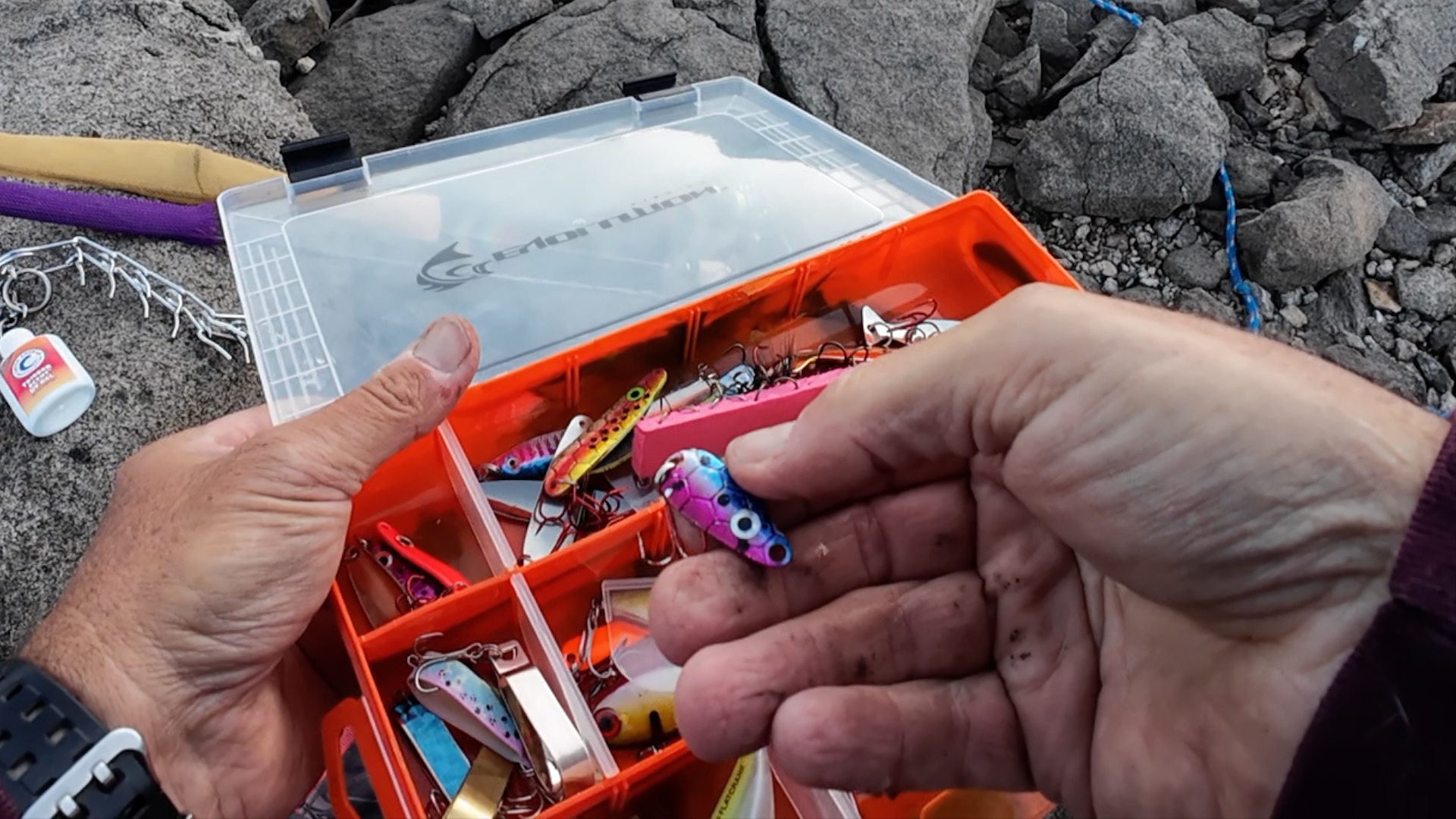
While soaking bait on a sliding-sinker rig is a proven way to catch fall trout, many anglers overlook the power of fan casting artificial lures from the shoreline. In autumn, trout often patrol the shallows in search of baitfish and insects, making
them highly susceptible to moving presentations. By covering water with spinners, spoons, plugs or even flies, you can turn a quiet stretch of bank into a hot spot.
The key is to work methodically. Begin by casting straight out, then make successive casts at different angles to the left and right, fanning your presentation across the water. This approach not only shows your lure to more fish, but also helps you locate active trout that may be holding tight to structure, such as dropoffs, stumps or rocky points.
Spinners and spoons are staples. A 1/8- to 1?4-ounce Kastmaster in gold or silver is a consistent producer, while Panther Martins in black with yellow dots or gold blades work well in both clear and slightly stained water. Mepps Aglia spinners in size 1 or 2 are another solid choice.
Small plugs, especially minnow imitators like size F5 or F7 Rapalas in silver/black or rainbow trout patterns, are deadly on fall browns that are keyed in on baitfish.
For anglers who enjoy fly fishing but want to reach beyond a traditional cast, teaming a streamer or Woolly Bugger with a clear, water-filled slip bobber is a proven trick. The added weight of the water allows for long casts, and the float keeps the fly riding at the perfect depth. Olive, black or brown Woolly Buggers in size 8 to 10 are reliable choices.
Fan casting demands more movement and attention than bait fishing, but it can be incredibly rewarding. When the rod bucks and a trout slams your lure on the retrieve, the excitement is second to none.
WHY FALL MATTERS
Autumn is special because it represents a convergence of conditions – cooling water, active trout and lighter crowds – and for the bank angler, it’s the season of opportunity, a time when the odds tilt in your favor as trout come shallow and cruise nearshore areas.
There’s nothing quite like a crisp Sierra morning, with the mist rising off the lake, your line stretched into the shallows and the knowledge that at any moment a hard-fighting trout might take your bait. Fall is the time to be there – boots on the bank, rod in hand, soaking in not just the fishing but the beauty of the high country.
FINAL THOUGHTS
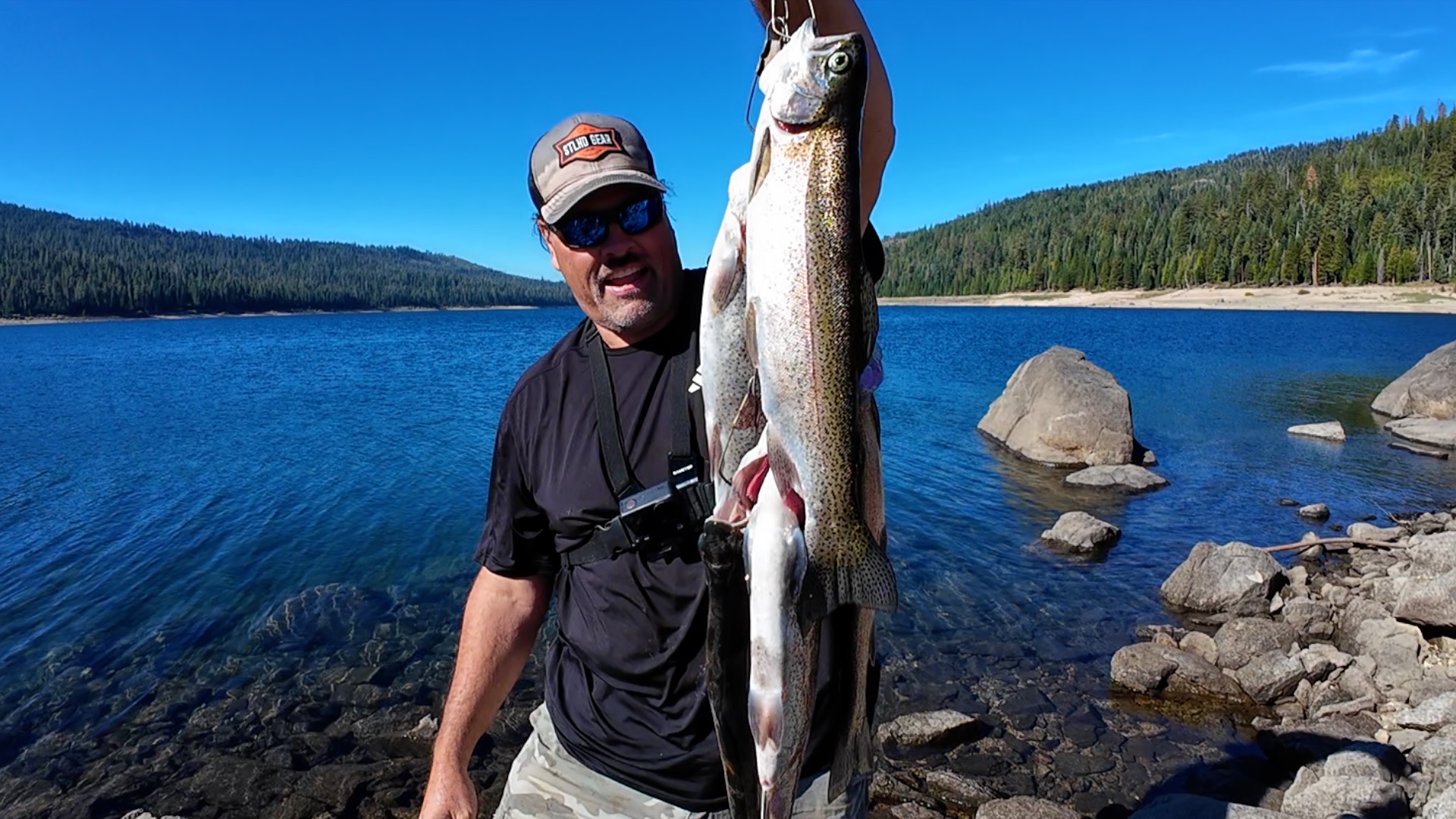
Fall in the Central and Northern Sierra is more than just another season; it’s the payoff for months of waiting. The water cools, the trout return to the shallows and anglers on the bank suddenly hold the advantage. Whether you’re fishing a brook trout lake near timberline, working a foothill reservoir on a crisp November day or soaking bait from the bank of a broad valley lake in December, fall trout fishing offers a sense of connection to both the fish and the season.
For the patient bank angler with a good rig, the right bait and an eye for shoreline features, this is the time when everything comes together. And if you’re willing to follow the bite down the slopes, you can keep that magic alive long after the first snowfall closes the high country. Autumn is fleeting, but for trout fishermen it’s also unforgettable. CS
Editor’s note: Cal Kellogg is a longtime Northern California outdoors writer. Subscribe to his YouTube channel Fish Hunt Shoot Productions at youtube.com/ user/KelloggOutdoors.
Sidebar: FOLLOW THE BITE DOWNHILL IN FALL
One of the great things about fall trout fishing in here are dropping into the comfort zone of trout, and both California is that the season doesn’t arrive everywhere bank and boat anglers experience excellent action. Rainbows at once. Instead, the bite unfolds like a wave rolling fatten on shad schools and holdovers move within casting down the mountains. For anglers willing to stay mobile and adjust their destinations, it’s possible to stretch a few golden weeks of fishing into an entire season of opportunity.
The show begins in the high country at lakes sitting above 5,000 feet. By late September and into October, icy nights drop surface temperatures and trout begin flooding the shallows. Brook trout show their spawning colors, rainbows hunt along the banks and browns grow aggressive as they prepare to reproduce. For a few short weeks, the high lakes offer some of the most spectacular action of the year.
But winter comes quickly to the Sierra Crest. Snowstorms close mountain passes and ice locks up small lakes. When that happens, smart anglers shift their focus to the foothill reservoirs between 2,000 and 4,000 feet. By late October and November, lakes like Pine Flat, New Melones and Don Pedro hit their stride. Water temperatures distance of shore.
As winter deepens, the bite continues its slide downhill. In December and January, valley reservoirs such as Camanche, Collins, Berryessa and Folsom begin to peak. These lakes may not freeze, but they do cool enough to keep trout active throughout the colder months.
By this time, higher-elevation trout are sluggish, locked beneath ice or hiding in frigid water, but valley floor fish are still on the chew. For anglers who follow the bite downslope, the season can stretch well into the new year.
This progression makes fall special. It’s not just a single moment, but a moving target that rewards anglers who adapt. Start high, then follow the bite as fall conditions march downhill. By doing so, you can enjoy weeks of prime trout fishing, just as the Sierra itself transitions from the blaze of autumn color to the quiet chill of winter. CK