Five To Thrive: A Quintet Of Trout Tips To Have Your Best Fishing Season Ever
The following appears in the February issue of California Sportsman:

By Cal Kellogg
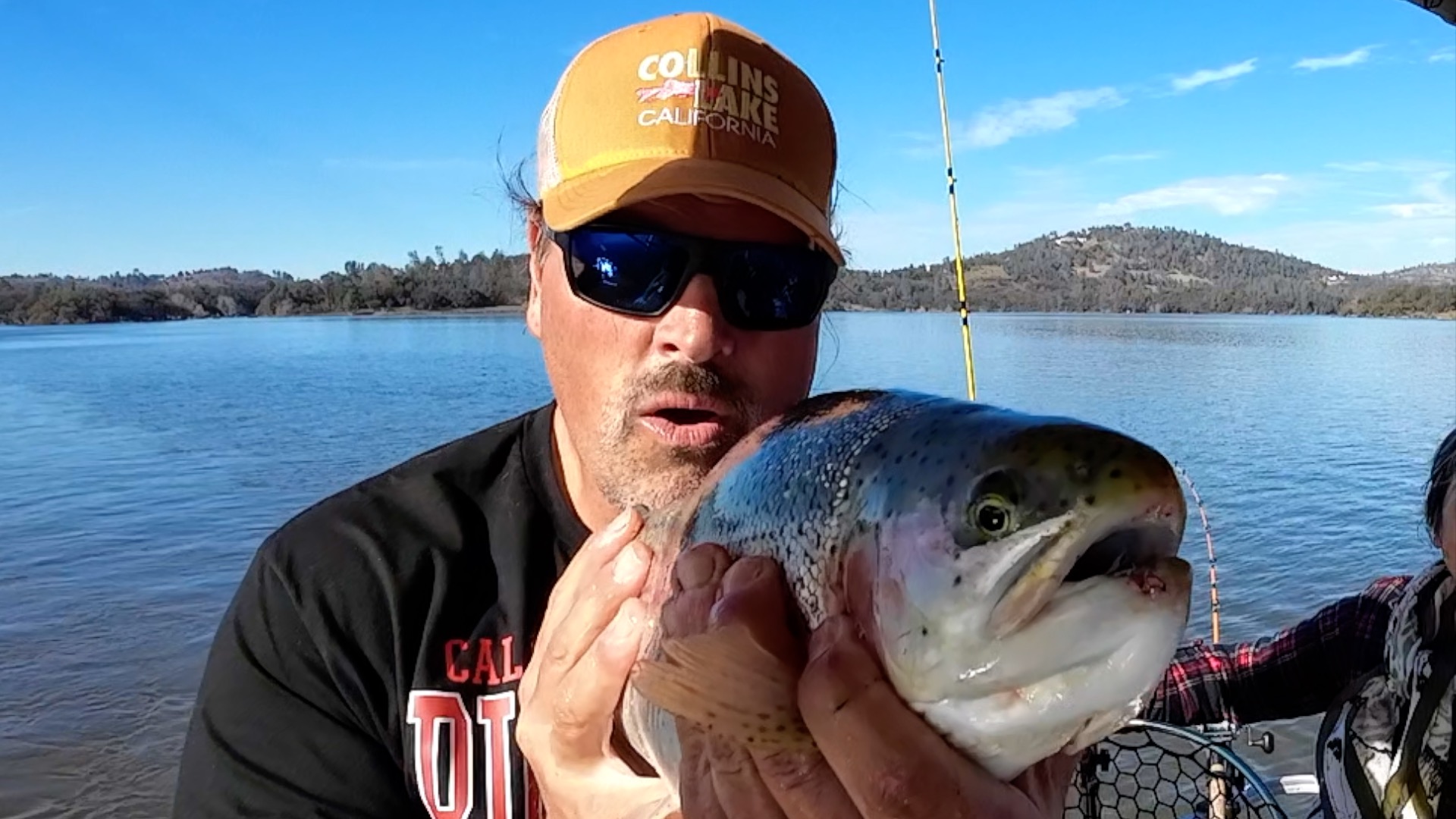
When I look back on my fishing career, a huge percentage of my memories revolve around trout. I’ve been chasing them for decades, designed and marketed a number of trout lures over the years and spent a big chunk of my professional life guiding anglers specifically for trout. Does that make me some sort of trout expert? Not even close.
No matter how many fish you’ve caught or how much time you’ve logged on the water, there’s always more to learn. That’s one of the things I love most about trout fishing; it’s endlessly humbling.
That said, like anyone who’s spent a serious amount of time pursuing a single species, I’ve picked up on some little details that often make a big difference. These are the kinds of things you don’t always find in instruction manuals or tackle catalogs. Some of them I learned the hard way through trial and error, and others came from fishing alongside great anglers and professional guides.
With reservoir trout fishing in full swing and the spring stream opener right around the corner, it feels like a good time to share a few of the tactical edges that consistently help me catch more trout.

HOLD THAT LINE
Let’s start with line, because it’s one of the most overlooked and most important components in trout fishing. There are times when trout are not line-shy at all. You could fish 30- or 40-pound monofilament and probably still get bit. But there are other days – and anyone who fishes long enough has experienced this – when trout become unbelievably selective. On those days, they’ll ignore everything unless it’s presented on ultralight, nearly invisible line.
For years, the only solution was dropping down to finer and finer monofilament. These days we’ve got a much better option: fluorocarbon. Fluorocarbon is expensive, but in many situations it’s worth every penny. The reason is simple: Fluorocarbon lines reflect light at nearly the same rate as water, which makes it extremely difficult for fish to see. In practical terms, that means you can fish 6- or 8-pound test and enjoy a level of stealth that mono just can’t match.
Sometimes I’ll spool an entire reel with fluorocarbon, especially for finesse applications. Other times I’ll run a mono mainline and add a fluorocarbon leader to save money. Either way, I almost always incorporate fluorocarbon somewhere in the system. You can’t predict when trout will suddenly become line-shy, so it makes sense to stack the odds in your favor on every trip.
MAKE SENSE OF SCENTS
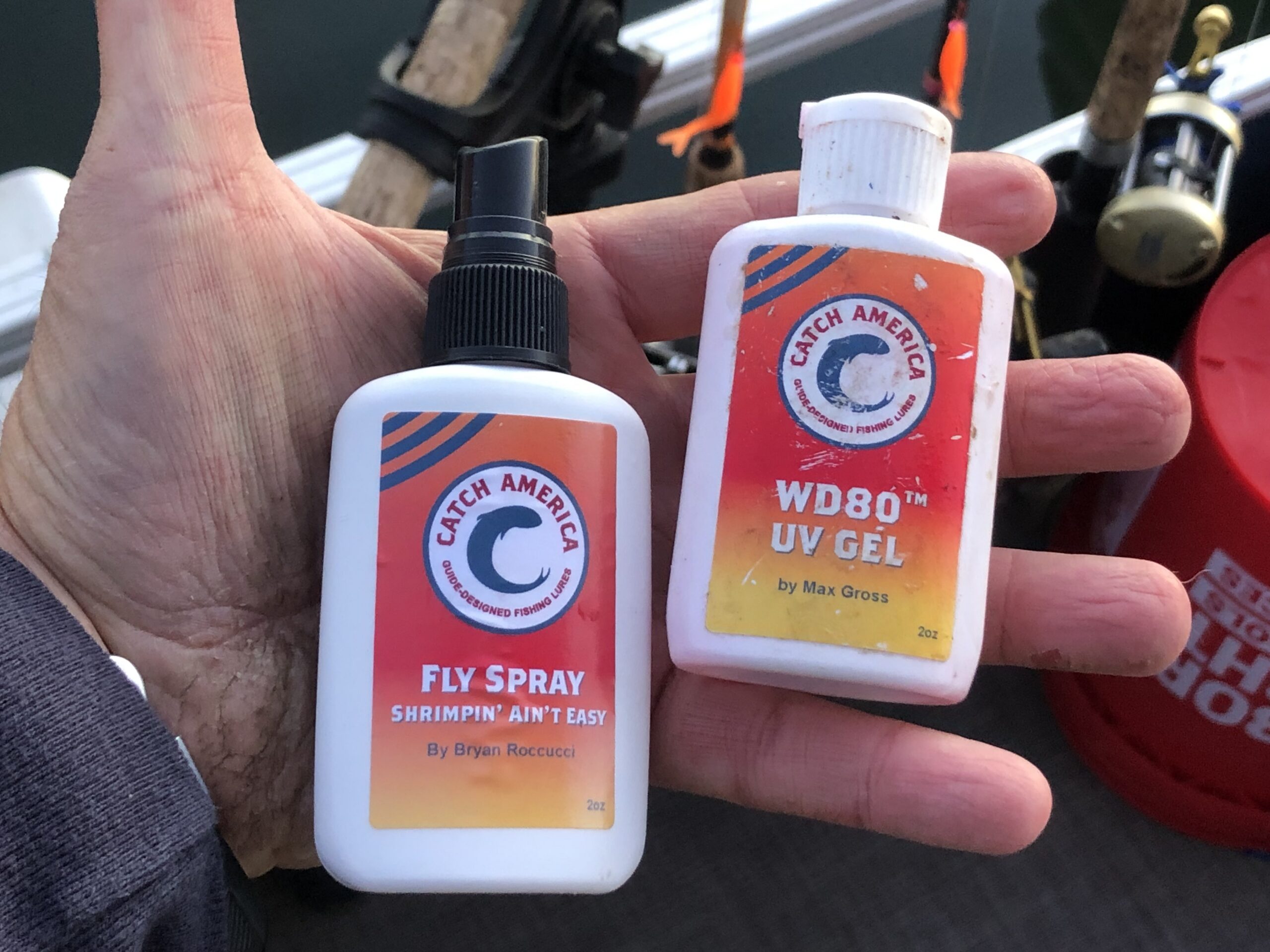
Another topic that generates endless debate is scent. Some trout anglers swear by it; others insist it’s useless. From my experience, both camps are partially right. There are days when scent doesn’t seem to matter at all, and there are days when it makes a dramatic difference. What I’ve never seen, however, is a situation where using scent actually reduced the number of trout being caught. Because of that, I almost never fish for trout without it.
Modern fish scents generally fall into three categories: oils, gels and pastes. Gels and pastes are my go-to for artificial lures like plugs, spoons, spinners, flies and soft plastics. They cling well, last a long time and continue to release scent whether I’m trolling, casting, drifting or still fishing. When I’m trying to imitate a specific forage base, I’ll match the scent accordingly. If trout are feeding on shad or pond smelt, I’ll use a corresponding baitfish scent.
Oils work a little differently. If you coat a lure with oil, it washes off fairly quickly, but oils really shine when used internally. When I’m slow-trolling or rolling dead bait like anchovies or shad, I’ll soak them in oil and often inject them as well. When
I’m bank fishing, especially in cold water when trout are lethargic, I like to inject nightcrawlers with bait oil. Most bank anglers inflate worms with air to float them off the bottom, but oil is lighter than water, too, and it creates a slow, steady scent trail as it seeps out. That little trick has saved more winter days for me than I can count.

COOK WITH THE RIGHT HOOKS
Hooks are another piece of the puzzle that deserve more thought than they usually get. No hooks, no hookups, no fish – simple as that. But the style of hook you use can dramatically affect how many fish you actually land. Personally, I’m not a big fan of treble hooks. I use them when necessary, but whenever I have the option, I switch to single hooks.
A lot of bank anglers believe trebles are mandatory for dough baits, but I’ve had better success using small octopus hooks in sizes 8, 10 or 12. A treble looks intimidating, but in reality it’s just three tiny hooks. Trout have soft mouths, so hooks with tiny points will tear out much more easily than a single, slightly larger hook that penetrates deeper. When I hook a trout on an octopus hook, they almost never come unbuttoned.
The same logic applies to spoons and spinners. Most come factory- rigged with trebles, but if I had more patience, I’d replace every one of them with needle-sharp single hooks. Trout that hit a lure with a treble often get hooked near the outside of the mouth. Trout that hit a single-hook lure tend to inhale it, which results in better hook placement and far fewer lost fish.

DON’T BE AFRAID TO GO SMALLER
Like most anglers, I enjoy throwing big baits because big baits often produce big fish. Most of the time that logic holds up, but not always. When the fishing gets tough and strikes are scarce, downsizing can completely change the game.
If you’re swinging a size 10 Woolly Bugger in a stream with no success, try a size 16 or 18 nymph. If trout won’t touch a whole worm, switch to a single egg or a small insect. In lakes and reservoirs, if 3-inch minnow plugs and 2-inch spoons aren’t working, dropping down to a 1-inch grub or a lightly dressed marabou trolling fly can suddenly make you relevant again.
OUTSMART SMART FISH
One of the most interesting things about trout is that they learn. Fish absolutely get conditioned. When they see the same lures day after day, especially in heavily pressured waters, they begin to associate those shapes, colors and actions with danger. That’s when the “herd mentality” of anglers starts to hurt everyone. If all the trout are being caught on 2-inch orange spoons, guess what everyone throws? Two-inch orange spoons. It works for a while, until the fish wise up.
The trick is to separate yourself from the herd. Show the fish something different. If everyone is trolling Rapalas, pull a Needlefish. If everyone is fishing slow, speed it up. If everyone is throwing metal, try plastic or flies. New stimuli are hard for fish to ignore, even experienced ones. The goal isn’t just to fish well; it’s to fish differently.
I learned that lesson a long time ago at Hell Hole Reservoir near Lake Tahoe. The bite had been slow all day and everyone was trolling the same familiar lineup of large plugs and spoons. Then one guy – a casual angler with a tiny drugstore tackle box – tied on a frog-pattern Hula Popper.
Not exactly a classic Mackinaw lure. He clipped it to his downrigger, sent it down and promptly hooked an 18-pound lake trout. None of the so- called experts caught anything close to that fish all day.
Was the Hula Popper some magical new trophy lure? Of course not. But it was different. And to a big, old, heavily pressured fish, different can be irresistible. That one moment perfectly summed up what trout fishing is really about. It’s not just about having the right gear or knowing the right techniques. It’s about thinking, adapting, experimenting, and staying just one step ahead of the fish.
That’s what keeps trout fishing endlessly interesting to me. No matter how long you’ve been doing it, there’s always another lesson waiting out there – usually delivered by a trout that refuses to read the same rulebook you’re using. CS
Editor’s note: Cal Kellogg is a longtime Northern California outdoors writer. Subscribe to his YouTube channel Fish Hunt Shoot Productions at youtube.com/user/KelloggOutdoors.