A Downhill Racer, Outdoor Lover Carved By Slopes, Waters Of Tahoe
The following appears in the February issue of California Sportsman:
By Tiffany Herrington
Bryce Bennett grew up the way many outdoor-minded parents once hoped their kids would: loose in the mountains, trusted to roam and free to learn the terrain on his own terms. In the Lake Tahoe region of Northern California, that kind of upbringing was still possible. Long summer days meant disappearing into the woods with friends. Winters meant skiing hard until the lifts closed and then finding a way to squeeze in one more run.
“My parents let me roam and explore the outdoors unsupervised starting when I was pretty young,” Bennett says. “Tahoe was the perfect playground to explore.”
That freedom shaped more than his childhood. It built the foundation for a life defined by movement through wild places, whether at 80 miles per hour down a World Cup downhill course or waist-deep in cold water on a Sierra stream.
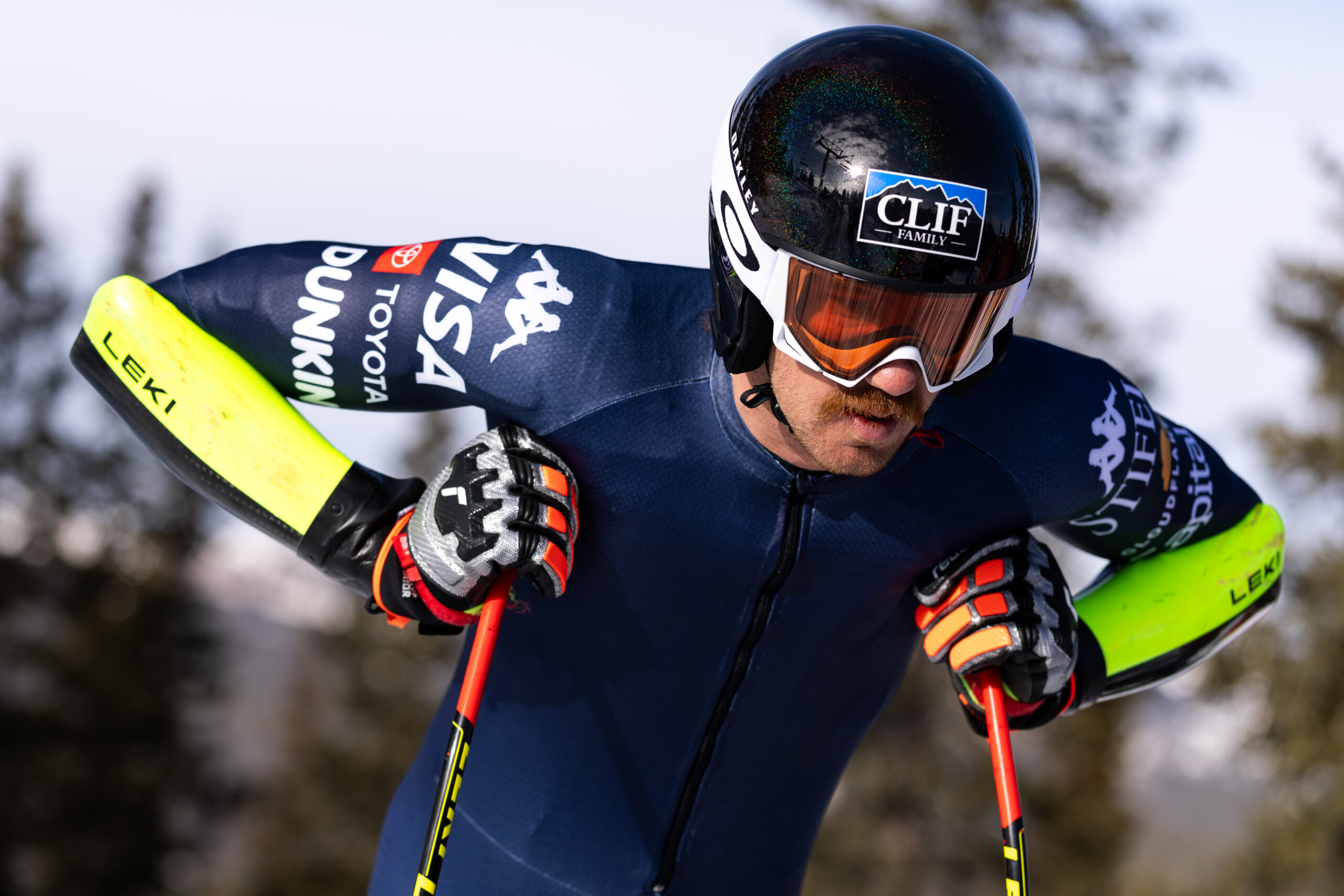
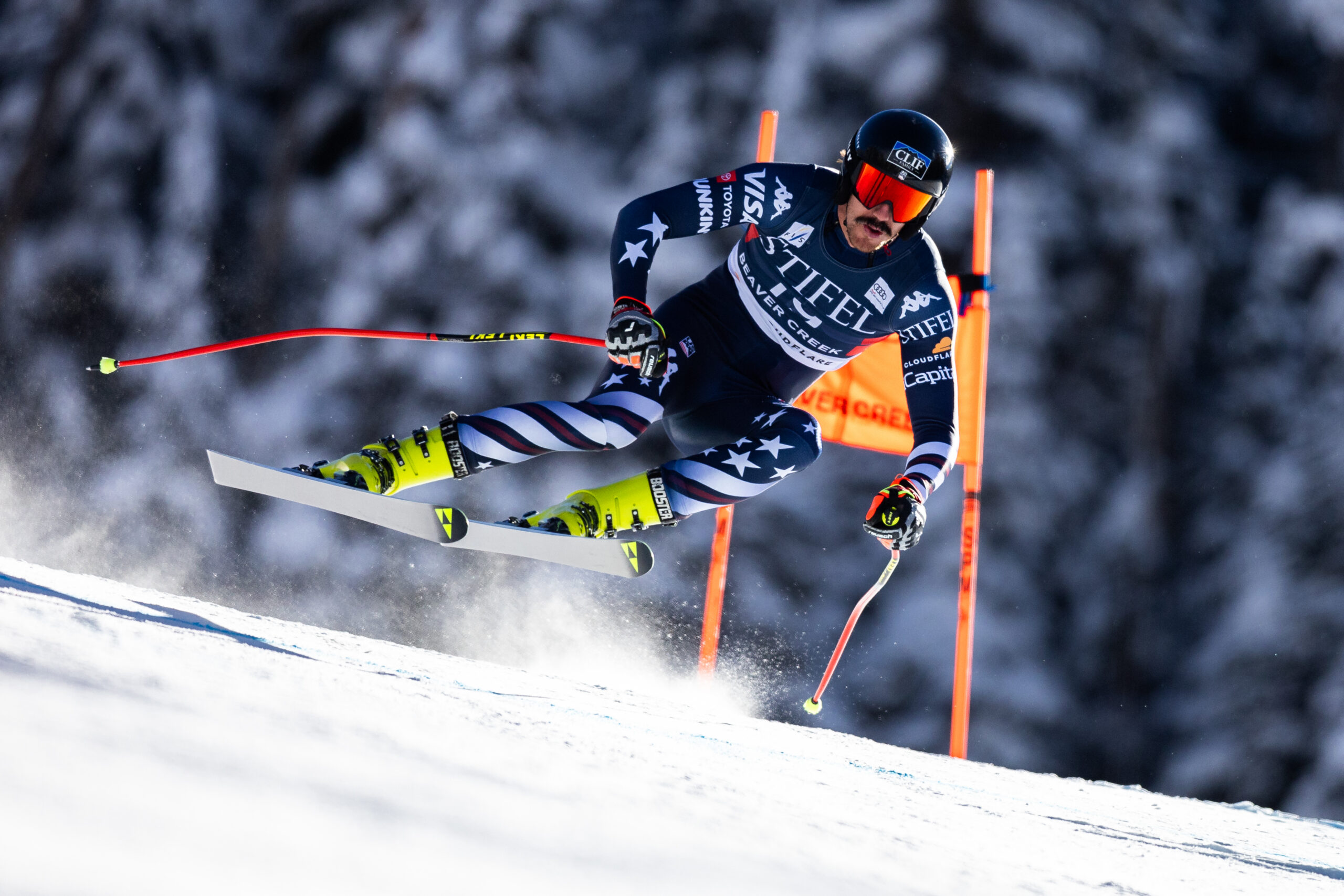
Today, Bennett is one of the most recognizable figures on the U.S. men’s alpine speed team and is known for his towering frame (6 feet, 7 inches), powerful skiing and hard-earned success at the highest level of the sport. But away from the podiums and start gates, he is equally defined by fishing rods, remote campsites and a deep desire to understand the landscapes he moves through.
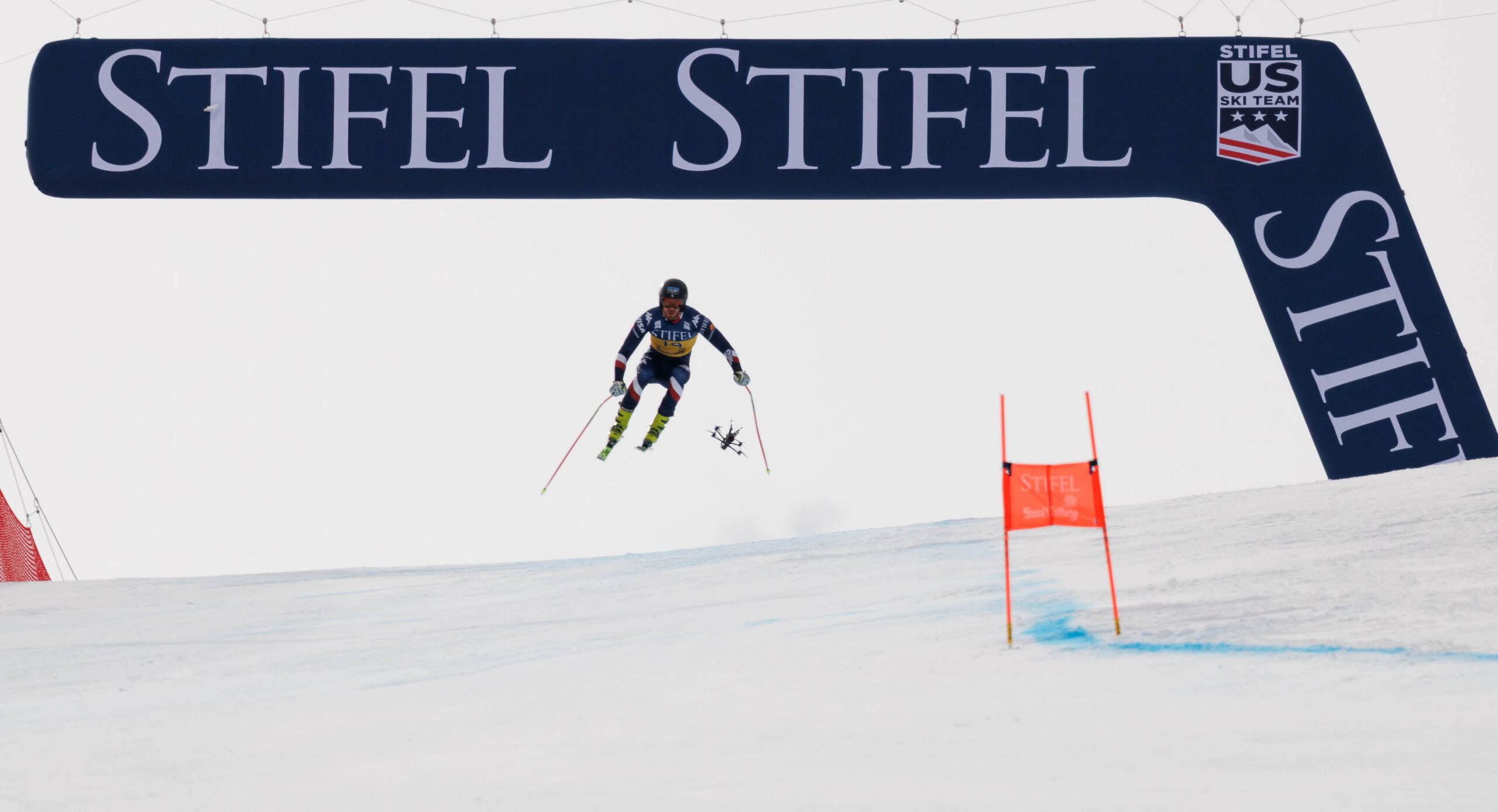
He’s representing Team USA at the Milan-Cortina Winter Olympics, and following today’s Opening Ceremonies in Italy, Bennett’s third Olympics appearance gets started on Saturday morning at 2:30 a.m., when he’ll race in the downhill at the Stelvio Ski Centre in Bormio (televised on USA Network).
A CHILDHOOD BUILT OUTDOORS
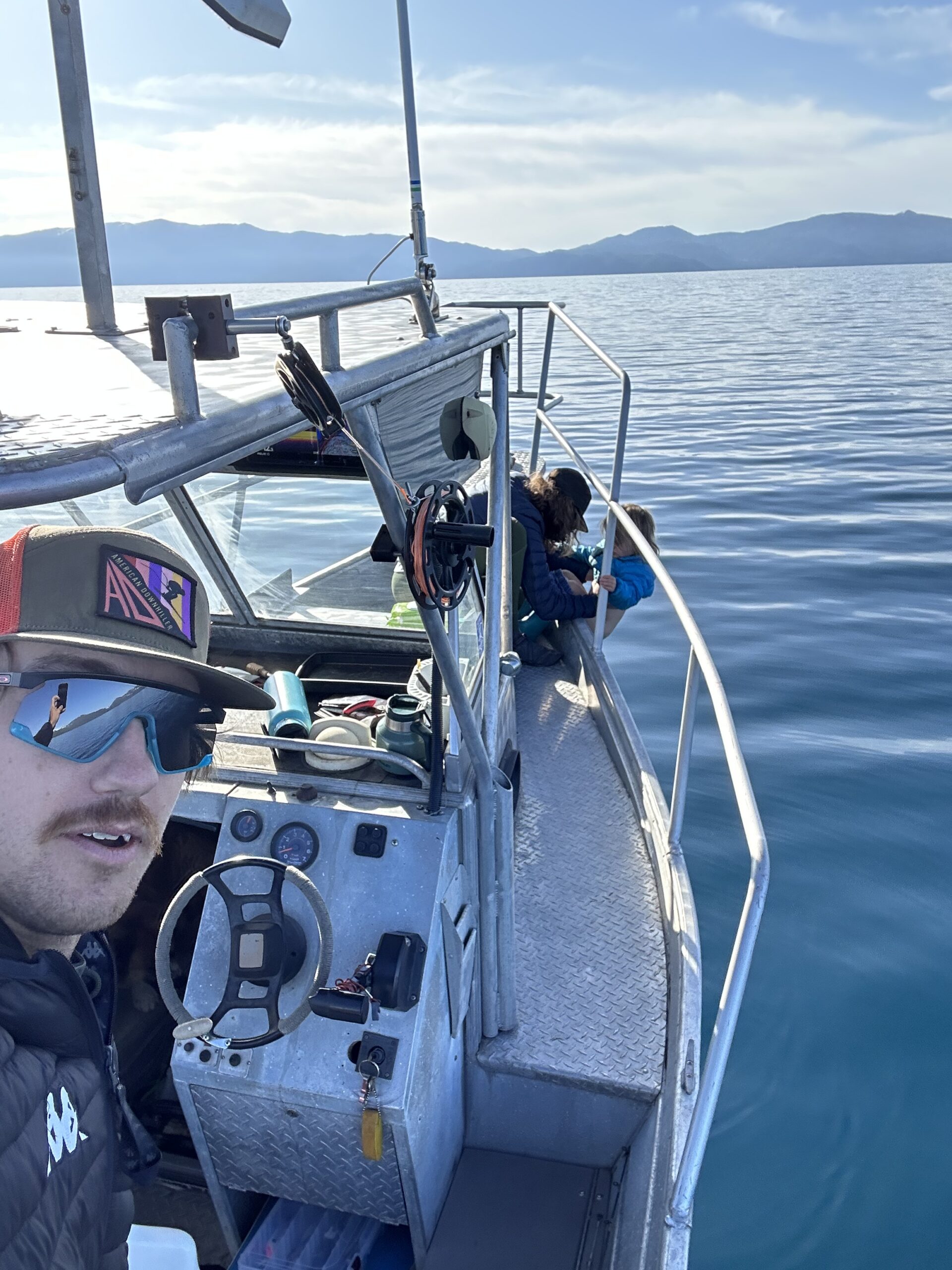
The peaks around Tahoe are not gentle terrain. The mountains rise steeply from the lake, the snow can be heavy and unpredictable, and the backcountry demands respect. For Bennett, that environment became a classroom.
“My friends and I were always running around the mountains in the summer and skiing hard in the winter,” he says. “That type of terrain shaped my love for the mountains.”
That early immersion fostered a comfort with exposure and consequence that would later become essential in downhill ski racing, where speeds, conditions and terrain leave no room for hesitation. It also sparked a lifelong curiosity about what exists beyond the trailhead.
“I enjoy getting to places that very few people get to,” Bennett says.
FISHING AS A PARALLEL PASSION
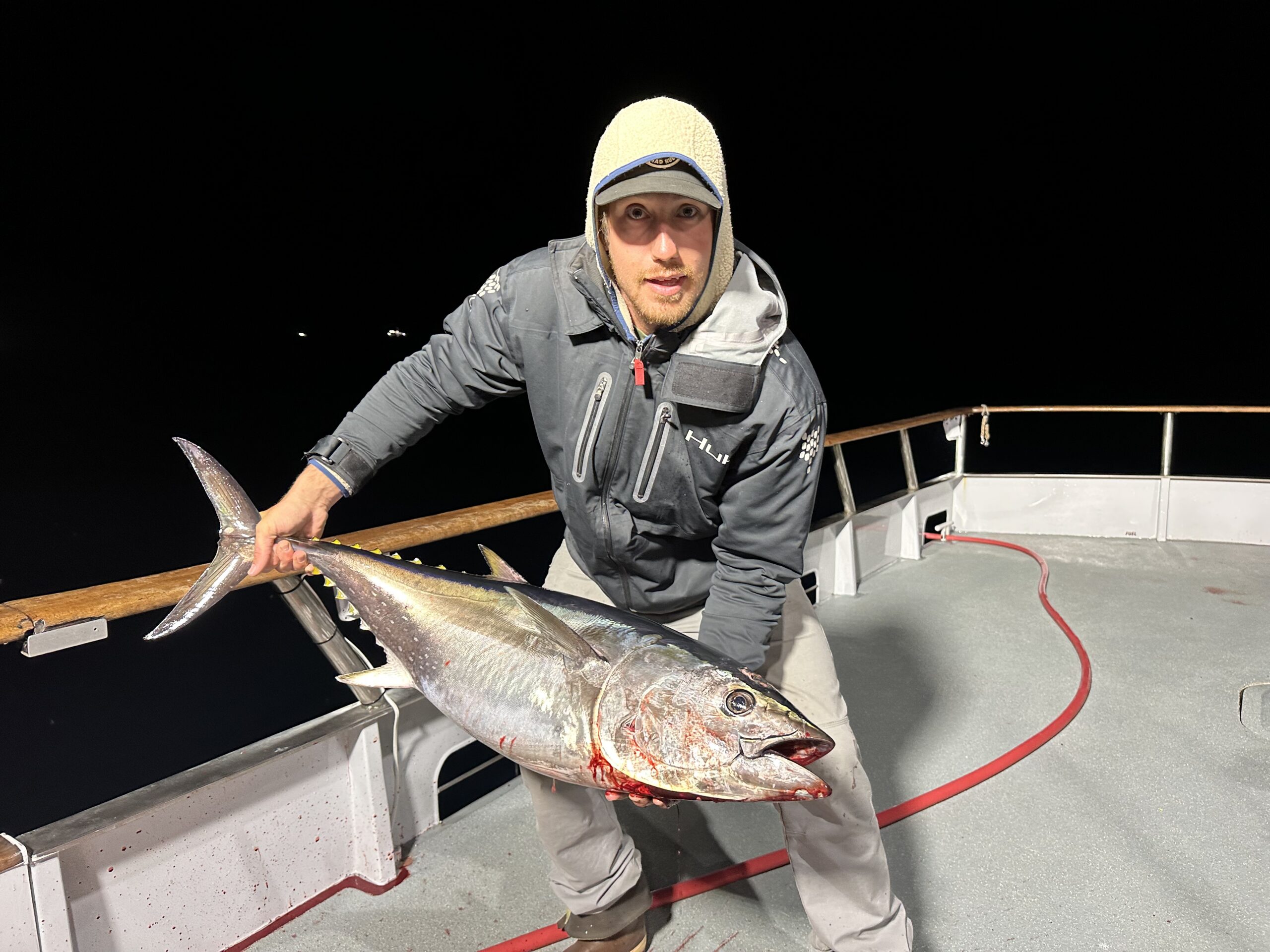
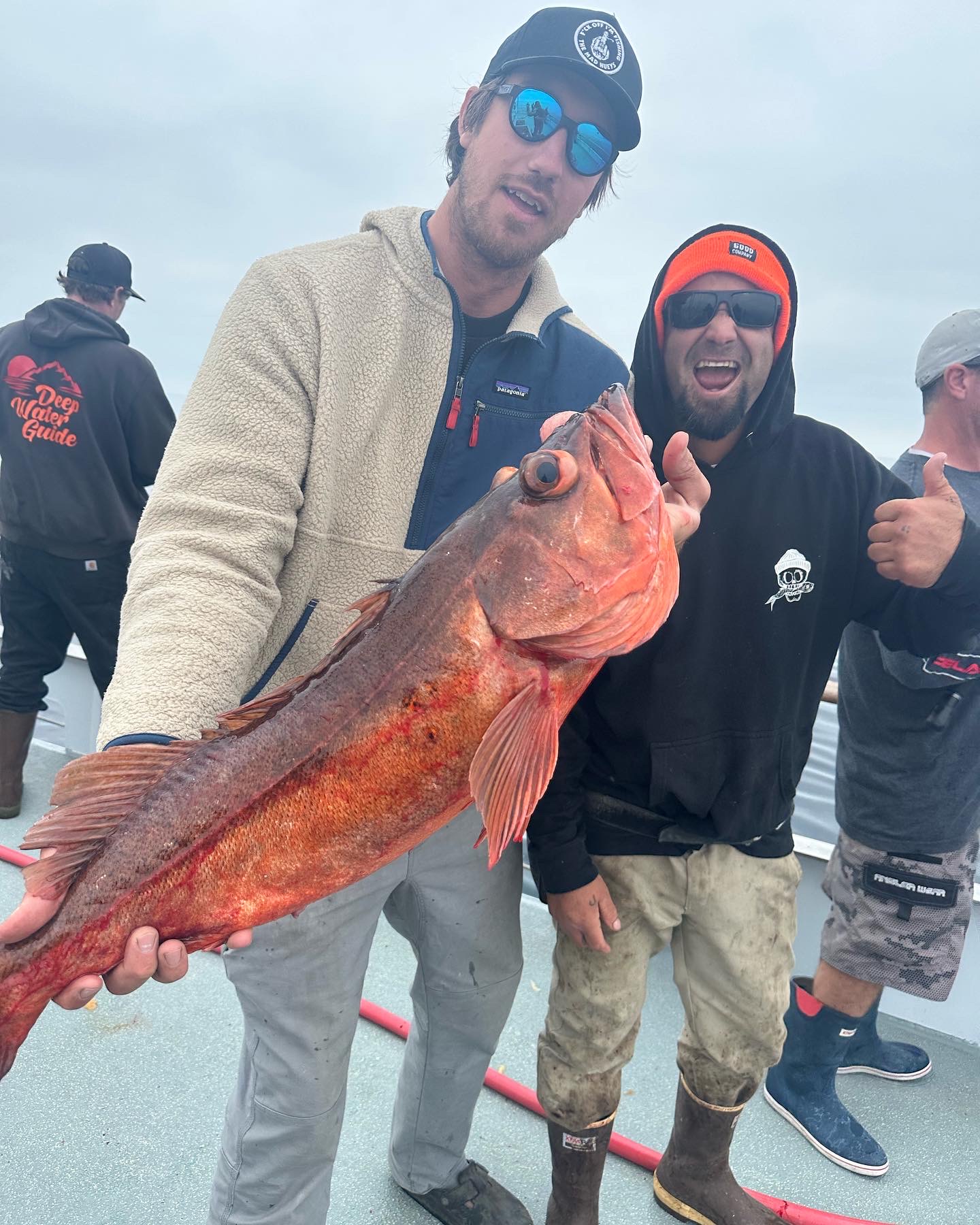
If skiing defined Bennett’s winters, fishing shaped his summers. He was, by his own account, raised with a fishing rod in hand. While many Tahoe families gravitated toward waterskiing and wakeboarding on the lake, his mornings often started hours before sunrise.
“My family was on the lake at 4 a.m. catching lake trout,” he says.
As he grew older, that passion deepened. Driving opened access to rivers and creeks throughout the Eastern Sierra. Fly fishing became an obsession, and then boats expanded his range even further. Today, Bennett owns two vessels: a 22-foot Valco Bayrunner cuddy cabin and a rugged 12-foot Klamath, each suited to different waters and seasons.
“Fishing is a lifelong adventure,” he says. “It gives me the opportunity to check out of skiing and plug into another passion with the same commitment.”
That commitment mirrors his approach to racing. Fishing, like downhill skiing, rewards preparation, adaptability and an intimate understanding of the environment.
COMPETENCE OVER COMFORT
When Bennett talks about the outdoors, one word comes up repeatedly: competence.
“I enjoy the feeling of being competent in the outdoors and going outside with a purpose, whether that’s to harvest an animal or catch a fish,” he says.
It is not enough for him to simply arrive in a wild place. He wants to learn it fully: fish behavior, habitat patterns, movement through terrain.
He approaches remote lakes and backcountry zones with the mindset of a craftsman.
“When I backpack into a remote lake, I don’t want to just catch a fish,” he says. “I want to be able to catch every fish and give them a name.”
That depth of engagement is familiar to anyone who spends serious time hunting or fishing. Success comes not from luck, but from attention to detail and respect for the system you are moving through.
LESSONS THAT TRANSFER TO THE START GATE
Downhill ski racing is often misunderstood as reckless speed. In reality, it is a discipline rooted in adaptation. Conditions change by the hour. Light shifts. Snow texture evolves. Wind alters line choices.
Bennett sees a direct parallel between racing and time spent outdoors. “If you’re fishing or hunting, you can’t be afraid to try new approaches or techniques,” he says. “It’s the same with skiing.”
Adaptability, more than patience, is the skill he values most. While patience is required to endure long days in tough conditions, adaptation determines success.
“There are no excuses for not adapting to what the conditions are offering you that day,” Bennett says.
That mindset has served him well throughout a career marked by persistence and gradual progress rather than overnight stardom.
LEARNING TO SKI BEYOND THE GATES
Bennett credits much of his skiing foundation to growing up at Squaw Valley, now Palisades Tahoe, where coaches encouraged young racers to free ski and fall in love with the sport beyond structured training.
“We of course trained (with) gates,” he says, “but really learned to ski on all the terrain that Palisades has.”
That freedom produced skiers who could move confidently through variable snow, steep faces and natural features. It also reinforced skiing as something more than competition.
Those lessons remain with him today, especially during long stretches on the road, where skiing can begin to feel transactional rather than joyful.
REDEFINING THE PERFECT DAY
Bennett’s idea of a perfect day outdoors has evolved. Early in his career, success was measured in size and numbers: a heavy lake trout, a deer on the ground.
Now, fulfillment comes from shared experience.
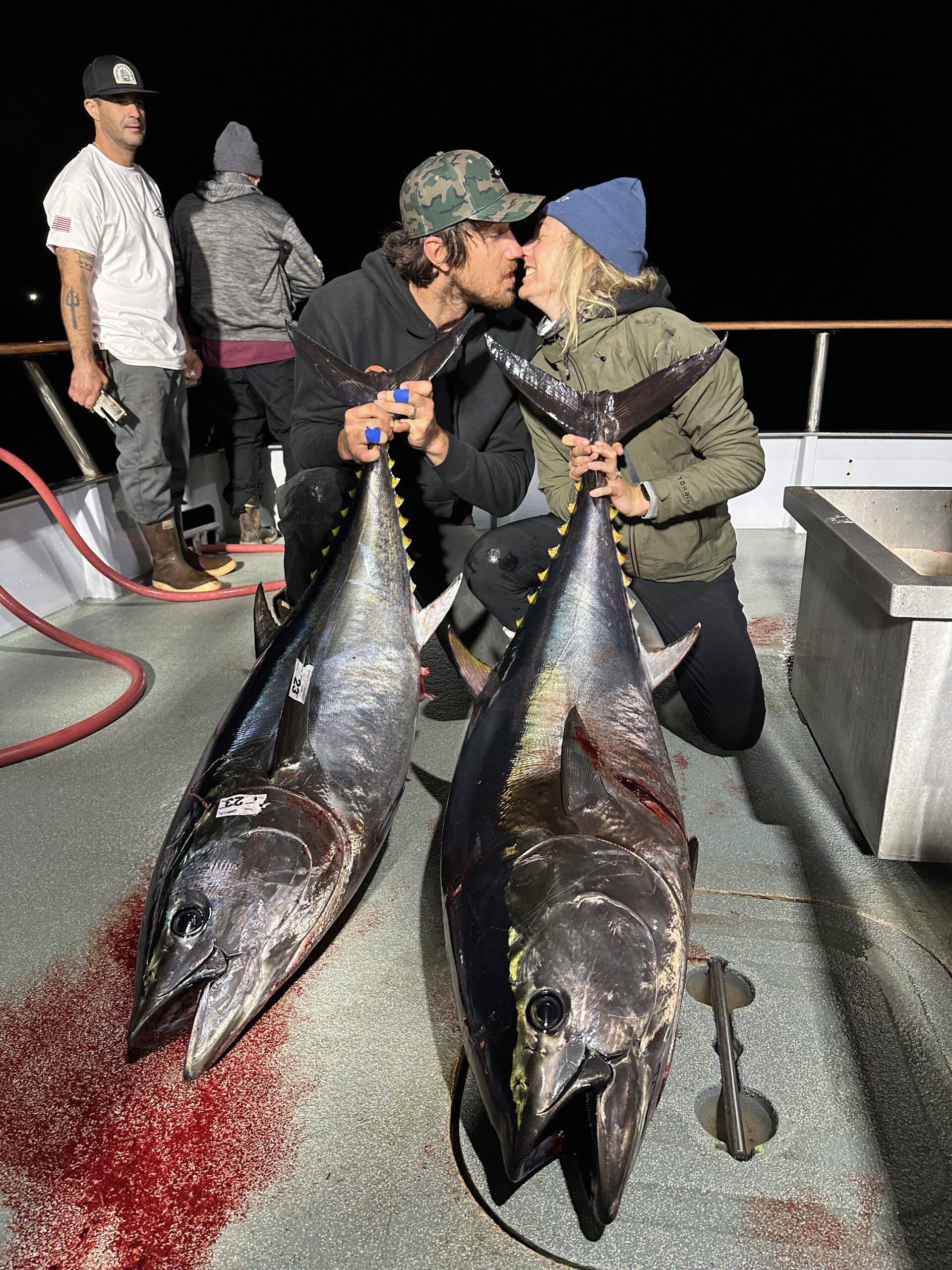
“One of my favorite days was a four-day long-range fishing charter out of San Diego,” he recalls.
On a late-night stop for bluefin tuna, both he and his wife Kelley hooked fish at the same time, the only two on the boat to do so.
“I couldn’t stop thinking about how cool it was to see my wife find that kind of success and share that experience together,” he says.
That shift reflects a broader change in perspective brought on by marriage, fatherhood and time.
PREPARING FOR THE BIGGEST STAGE
As the season builds toward the Milan-Cortina Winter Olympic Games that begin on February 6, Bennett’s approach remains steady as he prepares for his third Olympics. Bennett competed in the downhill and super-combined at 2018’s Winter Games in Pyeongchang, South Korea, then returned for 2022’s Olympics in Beijing, China, racing in the downhill and the super-G. He finished 10th in the 2025 World Championships in the downhill, his top placing in that event since 2019. Bennett also has two wins and reached three medal podiums in World Cup races, but it’s just one chapter in his story.
“Ski racing is what I do. It is not who I am,” he says.
He does not treat Olympic years differently. His goal is simple: to be faster than the season before. That consistency is grounded in balance.
Spending roughly 200 days a year on the road makes summers at home in Tahoe essential. Those months allow him to fish, hunt, camp, and reconnect with the places that anchor him.
“That time at home gives me a break from thinking about skiing all the time,” he says.
IDENTITY BEYOND RESULTS
Success, for Bennett, is not defined by medals or rankings alone. It is found in the care given to preparation and the honesty applied to self-assessment.
“Results are great,” he says, “but the attention to detail you give your work is what really matters.”
As a father, that philosophy extends beyond sport.
“I’d like my daughter to find a passion for the outdoors and to develop a willingness to be honest with herself. Developing strong personal character and a solid moral compass is more important than any gold medal, big deer or personal-best fish,” he says.
A LIFE SHAPED BY WILD PLACES
When asked to name a place in the outdoors that holds special meaning for him, Bennett points to one region he returns to again and again.
“Most of my memories are on the water or in the mountains,” Bennett says. “I really enjoy camping in the Eastern Sierra. That, to me, is my special place.”
It is a fitting answer for someone whose life has been shaped by terrain, weather and the pursuit of competence in wild spaces. Whether racing downhill at the highest level or quietly studying a remote lake, Bryce Bennett remains grounded in the same values that guided him as a kid roaming Tahoe’s mountains. CS
Editor’s note: Alpine skiing at the Milan Cortina Winter Olympics begins on February 7. For more on Team USA’s alpine skiing team, go to usskiandsnowboard.org/alpine. Follow Bryce Bennett on Instagram (@BryceBennett). Tiffany Herrington is a Seattle-area-based writer.